
Influencers in Vancouver
Find Vancouver influencers by matching your campaign to a local service catchment or an ecommerce buying journey—not simply a city label. CreatorFanBase supports discovery and shortlisting, while its separately quoted Agency service contacts creators, checks availability and negotiates. Start with product evidence, location responsibilities, negotiated CAD costs, usage rights and measurable outcomes.
Campaign niches in Vancouver
1. Choose between a Vancouver service catchment and an ecommerce market
A useful Vancouver influencer campaign begins with a buying boundary. If customers must visit your business, receive a service within a defined area or collect an order, the campaign needs to reach people who can realistically become customers. If you sell online, the more important boundary may be where you ship, which product problem you solve and whether the creator can explain that problem convincingly. These are different briefs, even when both use Vancouver as the starting point for discovery.
For a local service, describe your catchment in practical buyer terms. Identify where a customer needs to be, what action they should take and which booking or enquiry route will accept them. Avoid substituting a neighbourhood aesthetic for a usable customer journey. Content can look locally relevant while sending viewers to a form that does not explain service eligibility, appointment requirements or the next step.
For ecommerce, decide what Vancouver contributes to the campaign. It might inform the creative setting, help establish a particular customer perspective or support a city-focused test. None of those choices automatically makes a creator’s audience local. The commercial case should still rest on product relevance, audience evidence and a purchase path that works for the people reached.
| Buyer decision | Local service campaign | Ecommerce campaign |
|---|---|---|
| Main eligibility question | Can the viewer use the service? | Can the viewer order the product? |
| Essential destination detail | Service area and enquiry process | Product information and delivery eligibility |
| Evidence to request | Audience relevance to the catchment | Audience relevance to the product and market |
| Primary action | Qualified enquiry or booking | Product visit, basket action or purchase |
Write a single campaign objective before searching. A practical service objective could be to generate attributable enquiries from eligible customers. An ecommerce objective could be to test whether a particular demonstration improves product consideration. These are planning statements, not promised outcomes, and they help separate a creative concept from the result it is supposed to support.
Finally, define the handoff after the click. Someone should own incoming enquiries, landing-page accuracy, stock or service information and campaign reporting. A creator cannot compensate for an unclear buying route. Establishing these responsibilities early gives your shortlist a meaningful purpose: finding people who can help the right prospective customer understand and take the next step.
2. Build the campaign around evidence the product can support
Before comparing Vancouver influencers, assemble the evidence that a creator would need to tell a useful product story. Start with what a customer can observe, what your business can substantiate and what requires personal experience. A physical feature, a documented service process and an individual opinion are not interchangeable. Your brief should make those distinctions easy to understand without forcing the creator into language that sounds copied from a sales page.
Choose a central buying question. For a product, that might concern how it works, what is included or how it fits into an existing routine. For a service, it might concern what happens after an enquiry, how the appointment is structured or what customers should prepare. The best question is one that your materials and the proposed content can genuinely answer. Avoid choosing a dramatic transformation simply because it looks compelling in a storyboard.
- Gather current product details, service descriptions and approved supporting materials.
- Separate demonstrable features from personal impressions and claims needing substantiation.
- Identify the customer question that the content must answer before presenting a call to action.
- Record unavailable evidence so the concept can change before outreach or production.
Give each proposed content element a job. An opening can establish the problem, a demonstration can show the relevant feature and a closing can explain the buying route. This creates a product-story sequence rather than a collection of attractive shots. It also helps buyers assess whether a creator’s existing work demonstrates clear explanation, useful pacing and an ability to make the product visible without overwhelming the story.
Evidence should shape the format as well. If the value becomes clear through a process, a demonstration may be more useful than a brief mention. If customers need to understand options, a guided explanation might be preferable to a lifestyle montage. Do not ask a format to carry more information than viewers can reasonably follow. Reserve detailed specifications for the destination page when appropriate.
Keep a working claims record throughout the campaign. Note the statement, its supporting material, who has approved it and where it may appear. When the creative concept changes, revisit that record instead of assuming earlier approval covers new wording. This reduces avoidable revisions and gives creators room to communicate naturally within a clear factual boundary. It also makes the eventual review more objective: the question becomes whether the content communicates supported information, not whether it repeats every sentence in the original brief.
3. Turn Vancouver neighbourhood context into a buyer choice
Local context should help a buyer choose a creative direction, not imply that a location has agreed to participate. Vancouver offers useful reference points within the supplied primary-source material, but the campaign team still needs to decide whether any setting serves the product story. Start with the customer question, then consider whether a location adds explanation, atmosphere or unnecessary complexity.
Destination Vancouver’s Granville Island overview describes the Public Market and specialty food and drink vendors. That makes the page useful when considering a food-oriented creative reference. It does not establish access to a particular vendor, permission to film a transaction or permission to feature people in the background. A buyer might instead choose a controlled demonstration setting while drawing inspiration from the emphasis on product variety and presentation.
Destination Vancouver’s Gastown shopping guide discusses local designer studios and curated goods. Use that context to evaluate whether a design-led story fits the campaign. The relevant buyer choice is whether to emphasise material details, selection criteria or the creator’s approach to styling—not whether a neighbourhood name can substitute for product evidence or establish a commercial relationship with a business.
Destination Vancouver’s Stanley Park page identifies seawall walking, jogging and cycling. Those activities can inform a movement-oriented concept where they genuinely relate to the product. They do not establish filming access, route suitability, exclusivity or approval for a particular production. Decide whether movement is necessary to explain the product before making it a production dependency.
- Choose the customer question that the location would help answer.
- Identify the specific setting or activity proposed, without assuming access.
- Assign responsibility for checking the proposed use and arranging any necessary approvals.
- Prepare an alternative setting that preserves the same product explanation.
Keep the location decision in the brief rather than leaving it as an informal suggestion. Record who will confirm arrangements, who will communicate changes and what happens if the proposed setting cannot be used. A fallback should preserve the campaign’s purpose rather than merely provide another recognisable background.
This approach keeps neighbourhood context commercially useful. You are choosing between different storytelling treatments, not buying implied venue participation. It also gives prospective creators a clearer assignment: explain how they would deliver the concept under the agreed conditions, rather than guessing which access, contacts or permissions the buyer expects them to supply.
4. Discover city-matched creators, then evaluate the evidence
Start discovery with creators whose stored city information matches Vancouver. Treat that match as a practical starting filter, not an independently confirmed statement of residence or proof that their audience is local. A city field helps organise a search; it cannot answer every question about audience composition, product suitability or the creator’s ability to complete a particular assignment.
If the city-matched pool does not provide the required creative fit, expand to Canada-wide candidates second. Keep the same buying criteria during that expansion. For a local service, broader discovery still requires evidence that the proposed audience and content can support the catchment. For ecommerce, a Canada-wide candidate may offer a stronger product explanation even if the creative brief no longer depends on a Vancouver setting.
Use Find Canadian creators to begin that discovery workflow. Record why each candidate appears relevant before requesting further information. This creates a useful distinction between an initial search match and a campaign-ready prospect. It also prevents a polished feed or an appealing city association from becoming the only rationale for inclusion.
- Assess whether existing content explains products, services or decisions clearly.
- Look for a credible connection between the creator’s content themes and your buying question.
- Request relevant audience information instead of inferring local reach from a profile label.
- Note which production, usage and scheduling questions still need direct confirmation.
Build the shortlist as a decision record. For each candidate, describe the proposed role, the strongest supporting example and the main unresolved question. A demonstration-led campaign needs evidence of useful demonstrations. A service-explanation campaign needs evidence that the creator can make a process understandable. General visual quality matters, but it should not displace the skill the assignment actually requires.
Keep audience evidence proportionate to the objective. A service buyer should ask whether available information helps assess customer eligibility within the intended catchment. An ecommerce buyer should examine relevance to the product category and intended market. Ask when information was captured and what it measures, because differently scoped reports should not be treated as directly comparable.
Finally, separate suitability from availability and commercial agreement. A creator can be a strong creative match while the proposed schedule, rights or deliverables remain unresolved. Mark those items as open until they are checked through outreach. A useful shortlist is therefore not a promise of participation; it is a well-reasoned basis for deciding whom to approach and what to clarify.
5. Select the discovery or Agency workflow before outreach
CreatorFanBase offers discovery subscriptions and a separately quoted Agency service. Choose between them by deciding who will perform the campaign work after the initial search. Discovery supports a buyer-led process in which your team evaluates candidates and manages the next steps. The Agency service contacts creators, checks availability and negotiates. Those are different responsibilities, so they should not be treated as interchangeable purchasing options.
If you have an internal campaign owner, a clear brief and capacity to manage outreach, review See discovery plans. Assess the subscription against your intended discovery workflow rather than assuming it includes creator participation. The creator agreement, production scope and campaign costs are separate commercial questions that still need to be resolved with the people involved.
If you need support with contact and negotiation, use Get Vancouver campaign quote to describe the assignment. Provide the campaign objective, service catchment or ecommerce market, product evidence, proposed deliverables and any location dependency. A meaningful quote depends on the work requested. Avoid asking for an all-purpose campaign price while leaving the creative scope and rights undefined.
- Assign an internal decision-maker for the brief, budget and final approvals.
- Choose whether your team or the separately quoted Agency will handle creator contact and negotiation.
- Share the campaign requirements and unresolved questions before outreach begins.
- Confirm responsibilities for contracting, production review, publication and reporting.
The workflow decision should reduce ambiguity, not merely move tasks between inboxes. Specify who can approve changes, who receives commercial questions and who maintains the current brief. If several people can send instructions independently, creators may receive conflicting requests about claims, deadlines or deliverables. A single operational owner helps keep the negotiation aligned with the campaign objective.
During outreach, distinguish essential conditions from preferences. Essential conditions might include the ability to explain a supported product feature or accept a defined review process. Preferences might concern a visual treatment that can change without weakening the campaign. This distinction makes negotiation more productive because it reveals where the concept can adapt and where the buyer needs a firm answer.
Do not interpret an initial response as agreement to the full assignment. Availability, scope, cost and rights need to be considered together. Maintain a written version of the agreed deliverables and outstanding decisions so the buyer can compare proposals consistently. The practical benefit of choosing a workflow early is that every open question has an owner before it becomes a production problem.
More Canada creators for Vancouver campaigns

Celina Myers
Celina Myers is a New York Times Bestselling author, comedian, and actress known for her spooky and comedic content.

Chris Bumstead
Mr Olympia champion turned fitness media brand

Avril Lavigne
Canadian singer and songwriter known for pop-punk albums including Let Go.

Céline Dion
Music creator in Canada
Alphonso Davies
Professional footballer for Bayern Munich and the Canada national team.

AzzyLand
AzzyLand is a Canadian YouTube personality known for reaction videos, gaming content, and vlogs.

Cristine Rotenberg
YouTube personality known for her nail art and holographic polish content.

Cassie Steele
A talented Canadian actress and singer known for her roles in popular teen dramas.

Ali Gatie
R&B singer-songwriter known for his emotional ballads and viral hits.
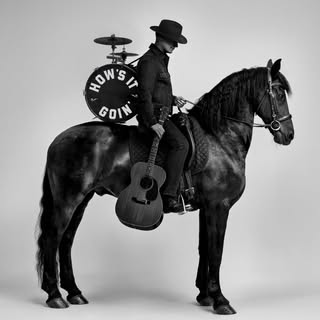
Bryan Adams
Rock musician, singer-songwriter, and photographer known for hits like 'Summer of '69'.

Anna O'Brien
Anna O'Brien empowers her audience with body-positive fashion, travel, and lifestyle content.

Crash Adams
Two friends spreading good vibes and music one song at a time.
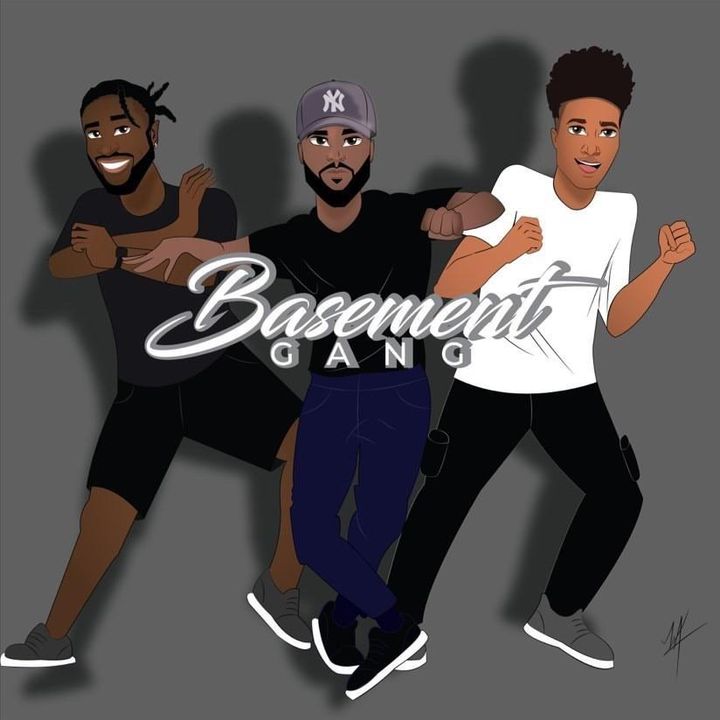
Basement Gang
A diverse group of friends creating relatable and humorous sketch comedy.

Alexander Stewart
A Canadian singer-songwriter known for his powerful vocals and emotional pop anthems.

Chris Ramsay
A professional magician and puzzle enthusiast who shares mind-bending solves and creative illusions.

Brogan F
A mental health and mess expert providing free cleaning services to the overwhelmed.

Anna Cathcart
Anna Cathcart is a Canadian actress widely recognized for her role as Kitty Song Covey.

Curtis Lepore
Curtis Lepore is a Canadian comedian, actor, and internet personality known for his short-form comedy sketches.

Curtis Newbill
A Canadian creator sharing menswear fashion tips and lifestyle vlogs with a 'yapping' twist.

AP DHILLON
Music creator in Canada

Alexa Jade
A Filipino-Canadian content creator known for her unique and sustainable fashion hauls, DIYs, and styling tips.

BasicallyIDoWrk
Marcel creates comedic gaming videos for his large online audience.

Casually Explained
A unique animated series that humorously simplifies complex topics and everyday absurdities.

Alex Sampson
A Canadian singer-songwriter known for sharing original music and covers on TikTok.

Christian DelGrosso
A Canadian actor, comedian, and social media personality known for his comedic skits and short-form videos.

Anthony Vincent
Anthony Vincent explores vocal styles and genres through multi-style covers and original music.

Dave2D
Dave Lee delivers high-quality video reviews and insights on useful technology.

Boho Beautiful Yoga
A conscious lifestyle brand providing yoga, fitness, and meditation content for mindful living.

Christian LeBlanc (Lost LeBlanc)
Christian LeBlanc shares his filmmaking and travel adventures around the globe after quitting his job.

AmandaRachLee
A prominent artist and content creator known for popularizing bullet journaling and creative stationery use.

Charlie Rocket
Charlie Rocket inspires millions with his delusional optimism and winning streak mindset.

Dan Rodo
A high-energy creator specializing in creative DIY projects and engaging life hack experiments.

Alicia Mccarvell
Alicia Mccarvell is a Canadian content creator known for her humorous and empowering videos, often featuring her husband, Scott.

Charlotte Cardin
Canadian pop and jazz singer-songwriter known for her soulful voice.

Abbey Yung
A certified trichologist and beauty expert sharing science-backed hair, skin, and beauty advice across social media.

Aria Keoxer
Aria Keoxer is a Vancouver-based YouTuber known for his comedic vlogs and challenges.

Allana Davison
Vlogger/Blogger/Anything-ogger covering beauty, fashion & lifestyle

Canadian Prepper
A leading resource for disaster readiness and analysis of global survival risks.

Coach Jeremy
A dedicated hockey coach and dad sharing skills, drills, and the joy of the game with players of all levels.

Chef Michel Dumas et Jean-Pierre Dumas
A father and son duo making cooking accessible and entertaining with a humorous touch.
6. Write a brief that connects the story, location and disclosure
A campaign brief should be specific enough to support approval and flexible enough to preserve the creator’s communication style. Begin with the intended customer, the buying question and the action the content should encourage. Then connect the product evidence to the proposed format. A creator should be able to understand why a demonstration, explanation or sequence has been requested rather than simply receiving a list of mandatory phrases.
Define the creative assignment
Describe the deliverable in terms of its purpose and required components. State which product or service information must be accurate, which visual details matter and which aspects are open to interpretation. Include the destination link and explain what viewers will find there. If the content depends on the buyer supplying a product, account access or factual material, assign responsibility for that handoff explicitly.
Assign location and production responsibilities
For any proposed Vancouver setting, record who will check whether the intended activity can proceed and who will arrange any necessary approvals. Do not treat a tourism description, a creator’s previous visit or an attractive reference image as evidence of permission. Identify a fallback and specify who can approve a location change. The same brief should address production dependencies such as product delivery, review access and the materials the creator needs before work can begin.
Make disclosure part of the deliverable
The Competition Bureau’s influencer marketing guidance requires clear, prominent disclosure of material connections. Brand tags or affiliate links alone are unlikely to be sufficient. Plan disclosure wording and placement with the actual content format in mind, rather than treating disclosure as an optional caption edit after the creative has been approved.
If industry Ad Standards guidance is used as an additional planning resource, treat it as industry guidance rather than a compliance guarantee. The practical task is to make the material connection understandable in the finished content. Review how disclosure appears in the viewer’s experience, including whether an edit, crop or placement change would make it less prominent.
Close the brief with an approval process that distinguishes factual corrections from creative preferences. Identify the reviewer, the response route and the treatment of revisions outside the agreed scope. This lets the creator plan the work and gives the buyer a fair basis for requesting changes. A usable brief is not the longest document in the campaign; it is the document that connects every requirement to an objective, an owner or an agreed decision.
7. Negotiate CAD costs against a defined scope
Discuss campaign costs in CAD and make the currency explicit in the commercial proposal. There is no useful universal fee for a Vancouver influencer assignment because the work being purchased must first be defined. Deliverables, production demands, revisions, distribution and usage rights all affect what the parties are negotiating. Comparing proposals without aligning those terms can make a lower quote appear better even when it covers less work.
Separate creator compensation from discovery subscriptions and any separately quoted Agency service. Also identify other proposed campaign expenses rather than hiding them inside an assumed total. The purpose is not to force every proposal into the same pricing structure; it is to make clear what the buyer will receive and which costs remain subject to approval.
| Cost component | What to define | Question to resolve |
|---|---|---|
| Content creation | Format, deliverables and production scope | What finished work is included? |
| Publication | Agreed channels and posting obligations | What distribution is being purchased? |
| Revisions | Included review and change process | Which changes require a new agreement? |
| Usage rights | Uses, duration and permitted edits | What can the brand do with the content? |
| Additional expenses | Proposed campaign-specific items | Who approves and pays each item? |
Ask for scope clarification before requesting a discount. If a proposal exceeds the available budget, identify which elements can change without undermining the objective. A simpler production concept, narrower usage request or different deliverable structure may be more constructive than demanding the same assignment for less. Any adjustment should be documented so the final brief does not quietly retain work removed during negotiation.
Location choices can also create commercial dependencies. If the concept requires access arrangements, travel or additional production support, define who is responsible and how any related expense will be approved. Do not assume that choosing a Vancouver-associated creator automatically absorbs every location requirement. A stored city match is a discovery attribute, not a commitment to a particular production arrangement.
Agree payment terms and the treatment of changes before work begins. Clarify what happens if the buyer changes the product, delays required materials or requests a different concept after approval. Likewise, establish the process for addressing a deliverable that does not match the agreed brief. These are negotiation topics rather than promises of a particular outcome. A well-structured CAD proposal lets the buyer assess value against a defined assignment and gives all parties a shared understanding of what the campaign budget covers.
8. Agree usage rights before content is produced
Content creation and permission to reuse that content are separate negotiation topics. A brand should not assume that paying for a creator’s post includes unrestricted use across its own channels, advertising or future campaigns. State the intended uses before production so the creator can assess the full assignment and the buyer can evaluate the complete commercial proposal.
Begin with the places where the content may appear. A creator’s own publication, an organic brand repost, a product-page placement and paid distribution represent different uses. Explain which are requested and which are outside the proposed scope. If the buyer expects to adapt the asset, specify the type of adaptation rather than relying on a broad phrase such as marketing use.
- Define the channels, placements and campaign uses included in the proposed permission.
- Agree the duration and any geographic scope relevant to the intended use.
- Specify permitted edits, including cropping, captions, extracts and format changes.
- Address paid distribution, source-file delivery and exclusivity separately when requested.
Keep the usage discussion connected to disclosure and claims. An edit that removes context can change the meaning of a statement, and a crop can affect whether a disclosure remains prominent. Plan a review process for adaptations that materially change the viewer’s experience. The buyer’s content team should receive the same usage boundaries as the person who negotiated the original agreement.
Consider the practical needs of the asset handoff. Determine which finished files will be delivered, how they will be labelled and where the agreed terms will be stored. Raw footage or editable project files should be requested explicitly if needed, rather than assumed to be part of a finished-content commission. A clear handoff reduces uncertainty when another team member later wants to repurpose the work.
If exclusivity is proposed, describe the restricted activity, relevant category and duration clearly enough for the creator to evaluate it. Avoid using an undefined category that could capture unrelated work. Exclusivity should support a specific campaign need rather than become a default condition copied into every brief.
Finally, make renewal a separate decision. Before extending use, revisit the agreed permission, the content’s continued accuracy and whether the campaign objective still fits the asset. Maintain an accessible record of the agreed end points and approval contacts. This turns rights management into an operational process rather than a memory test, while keeping future reuse aligned with the terms actually negotiated.
9. Measure the buying journey rather than the city label
Measurement should follow the campaign objective established at the start. A Vancouver service campaign needs to understand whether it generated useful interest from eligible prospective customers. An ecommerce campaign needs to examine how the content supported product discovery and purchase behaviour. Neither question is answered simply by knowing that a creator appeared in a city-matched search.
Define the reporting plan before publication. Choose the destination, establish the tracking method and decide who will collect platform and business-side information. Where links or codes are used, test that they lead to the correct offer or page and that the reporting team understands their limitations. A tracking mechanism can support attribution without capturing every influence on a customer’s decision.
| Campaign objective | Useful evidence | Interpretation question |
|---|---|---|
| Local service interest | Attributable enquiries and catchment eligibility | Did the campaign reach people the business can serve? |
| Product consideration | Relevant visits and product-page actions | Did viewers investigate the product further? |
| Ecommerce conversion | Attributable orders and associated campaign spend | What purchase activity can the tracking support? |
| Creative learning | Viewer response and content-specific observations | Which explanation appears most useful to test again? |
For service campaigns, agree what makes an enquiry qualified. The definition should reflect your actual service boundaries and customer requirements, not be changed after results arrive. Give the person handling enquiries a consistent way to record source information and eligibility. Otherwise, a campaign may generate useful interest that disappears into an inbox without becoming measurable evidence.
For ecommerce, distinguish attention from buying activity. Views can help describe distribution, while product visits, basket actions and attributable purchases describe different stages of the journey. Report them separately rather than presenting them as interchangeable successes. If you calculate cost-based metrics, document which costs were included so future comparisons use the same basis.
Interpret creative results alongside execution details. Note whether the destination page worked as intended, whether the product information remained accurate and whether the agreed content was published in the expected form. These observations help identify whether a weak result points to the message, the buying route or an operational issue.
Finish the report with a decision, not just a dashboard. State whether to repeat the concept, revise the product explanation, change the destination or stop the test. Avoid treating a single campaign as proof of a permanent audience characteristic. The most useful measurement makes the next buying decision more informed while remaining clear about what the available evidence actually shows.
10. Run a controlled launch and turn the results into a better brief
A campaign becomes easier to manage when launch readiness is treated as a shared checkpoint. Bring together the agreed scope, current brief, location arrangements, commercial terms and reporting plan. The purpose is to confirm that the campaign being produced is still the campaign the buyer approved. Changes during outreach or negotiation should be reflected in the working documents before content moves into final review.
Use a simple launch sequence that assigns decisions rather than adding unnecessary administration. Each stage should have an owner who can resolve questions and confirm completion. This is particularly important when the buyer, creator and any Agency contact are handling different parts of the process. A clear sequence helps prevent an unresolved assumption from becoming a last-minute publishing issue.
- Confirm the final deliverables, negotiated CAD terms and usage permissions in writing.
- Check that product evidence, location responsibilities and required materials are ready.
- Review the content for factual accuracy, the agreed creative requirements and clear disclosure.
- Test the buying destination and the planned tracking before publication.
- Collect the agreed reporting and document the next campaign decision.
During review, focus first on issues that affect accuracy, disclosure, scope or the customer journey. Keep subjective preferences separate so the creator can understand which changes are necessary and which are optional suggestions. If a new request goes beyond the agreed assignment, return it to the commercial discussion rather than treating it as an ordinary correction.
After publication, assign responsibility for monitoring the buyer’s own enquiry or purchase route. Questions arriving through your business channels can reveal information that the content or destination page did not explain clearly. Use those observations to improve customer information without inventing conclusions about the creator’s entire audience. Any response involving product claims should remain grounded in the same supporting materials used for the brief.
Close the campaign with a reusable learning record. Capture the customer question tested, the content approach, the evidence available, the operational issues and the decision made. Preserve the distinction between stored creator location, directly supplied audience information and campaign outcomes. That distinction makes future shortlisting more disciplined and avoids turning a past city match into an unsupported assumption.
The next Vancouver campaign should begin with that record, not with a fresh collection of attractive profiles. Retain what helped customers understand the offer, revise what created friction and renegotiate any changed scope or rights. This produces a practical cycle of discovery, evidence, agreement and measurement in which local context serves the buyer’s objective rather than replacing it.
Questions about influencers in Vancouver
How do I start finding Vancouver influencers on CreatorFanBase?
Start with creators whose stored city information matches Vancouver, then assess product relevance, content quality and audience evidence. Expand to Canada-wide candidates second if the initial search does not provide the required fit.
Does a Vancouver city match confirm that a creator lives there?
No. A stored city match is a discovery filter, not independently confirmed residence. Confirm any location-dependent requirement directly during outreach.
Does a Vancouver creator automatically have a Vancouver audience?
No. Creator location and audience location are different questions. Request relevant audience information and assess whether it supports your service catchment or ecommerce market.
Should a local service business prioritise city relevance?
Prioritise whether prospective customers can use the service. Define your catchment, enquiry process and qualification criteria, then assess creators against those requirements rather than relying only on a city label.
When should an ecommerce brand consider Canada-wide creators?
After reviewing stored Vancouver matches, consider Canada-wide candidates when they offer a stronger product-story fit. Keep delivery eligibility, audience relevance and the intended buying journey central to the decision.
What evidence should I prepare before contacting creators?
Prepare current product or service details, support for proposed claims, the customer question to answer and the destination page. Identify which statements require direct experience and which can be demonstrated using supplied materials.
Can Granville Island inform a food campaign?
Yes. Destination Vancouver describes the Public Market and specialty food and drink vendors. Use that context to choose a creative direction, while separately assigning responsibility for checking any proposed filming or participation arrangements.
How can Gastown context inform a campaign brief?
Destination Vancouver’s discussion of local designer studios and curated goods can inform a design-led concept. Focus on the product details or selection story you want to communicate, without assuming access to a particular business.
Can a Stanley Park seawall concept include movement?
Destination Vancouver identifies walking, jogging and cycling on the seawall. Choose an activity only when it serves the product explanation, and separately check the arrangements needed for the specific production.
Who is responsible for location arrangements?
Assign that responsibility in the brief. Specify who checks the proposed activity, arranges any necessary approvals and approves a fallback. A location reference does not establish permission or venue participation.
What does a CreatorFanBase discovery subscription cover in this workflow?
It supports creator discovery for a buyer-led process. Your team still needs to evaluate suitability and resolve outreach, availability, scope, costs and rights through the chosen campaign workflow.
What does the separately quoted Agency service do?
The Agency service contacts creators, checks availability and negotiates. Share your objective, product evidence, deliverables and location dependencies so the requested support can be scoped.
What should a useful shortlist contain?
Record each candidate’s proposed campaign role, relevant content evidence and unresolved questions. Keep audience suitability, availability, location requirements and commercial agreement distinct rather than treating an initial match as confirmed participation.
How are Vancouver influencer campaign costs established?
Costs are negotiated against the assignment. Define deliverables, production requirements, revisions, publication and usage rights, and make CAD explicit. Keep creator compensation separate from subscriptions and any quoted Agency service.
How should I compare creator proposals?
Compare equivalent scopes, not headline totals alone. Check what content, publication, revisions, rights and expenses each proposal includes, then resolve missing terms before making a buying decision.
What disclosure is required for material connections?
Competition Bureau guidance requires clear, prominent disclosure of material connections. Plan disclosure within the actual format and review its visibility in the finished content.
Are brand tags or affiliate links enough disclosure?
The Competition Bureau says brand tags or affiliate links alone are unlikely to be sufficient. Include clear, prominent disclosure rather than expecting viewers to infer the commercial relationship.
Does following Ad Standards guidance guarantee compliance?
No. Ad Standards guidance is industry guidance, not a compliance guarantee. Use it as a planning resource while addressing clear, prominent material-connection disclosure in the actual content.
Can my brand reuse creator content in advertising?
Negotiate that use explicitly before production. Define the advertising placements, duration, permitted edits and any other relevant boundaries instead of assuming paid usage is included with content creation.
Should raw footage be included in the agreement?
Include it only when it is requested and agreed. Specify the files required and their permitted uses; delivery of finished content should not be treated as an automatic commitment to supply raw footage.
How should a local service campaign measure success?
Track attributable enquiries and whether they meet your agreed catchment and customer requirements. Establish a consistent recording process before launch, then interpret results alongside the content and enquiry journey.
What should happen after the campaign ends?
Document the product question tested, observed outcomes, operational issues and next decision. Check usage terms before further reuse, and turn the findings into a sharper brief for the next discovery and negotiation cycle.
Influencers in other cities
- Influencers in Dubai
- Influencers in New York
- Influencers in Mumbai
- Influencers in Miami
- Influencers in Bangalore
- Influencers in Delhi
- Influencers in Chicago
- Influencers in London
- Influencers in San Diego
- Influencers in Dallas
- Influencers in Manchester
- Influencers in Hyderabad
- Influencers in Pune
- Influencers in Nashville
- Influencers in Los Angeles
- Influencers in Austin
- Influencers in Atlanta
- Influencers in Houston
- Influencers in Las Vegas
- Influencers in Chennai
- Influencers in Riyadh
- Influencers in Abu Dhabi
- Influencers in Singapore
- Influencers in Boston
- Influencers in Toronto
- Influencers in Sydney
- Influencers in Seattle
- Influencers in Melbourne
- Influencers in Philadelphia
- Influencers in Washington DC
- Influencers in Detroit
- Influencers in Minneapolis
- Influencers in Baltimore
- Influencers in Pittsburgh
- Influencers in Edinburgh
- Influencers in Glasgow
- Influencers in Leeds
- Influencers in Denver
- Influencers in San Francisco
- Influencers in Orlando
- Influencers in Liverpool
- Influencers in Phoenix
- Influencers in Portland
- Influencers in Columbus
- Influencers in Cleveland
- Influencers in Indianapolis
- Influencers in Charlotte
- Influencers in Raleigh
- Influencers in Tampa
- Influencers in Sacramento
- Influencers in Salt Lake City
- Influencers in San Antonio
- Influencers in Birmingham
- Influencers in Bristol
- Influencers in Nottingham
- Influencers in Sheffield
- Influencers in Newcastle
- Influencers in Cardiff
- Influencers in Belfast
- Influencers in Calgary
- Influencers in Ottawa