
Influencers in Toronto
Buy Toronto influencers by consolidating brand objectives, validating audience evidence and commissioning clearly defined campaign roles. CreatorFanBase helps buyers organize discovery, while campaign decisions should distinguish stored city matches from verified production arrangements. Compare creators across categories, deliverables, rights and reporting requirements before committing budget or approving publication.
Campaign niches in Toronto
Creators based in Toronto

Mark Gaetano
A comedic creator known for his relatable character sketches and expressive facial humor.

Valeria Lipovetsky
Valeria Lipovetsky is a content creator and entrepreneur known for sharing insights on modern womanhood and lifestyle.

Elnaz Ghasemihouseyni
Choreographer, fitness model, and director based in Toronto, Canada.

GLAMZILLA
A prominent beauty creator known for her honest reviews and high-energy personality.
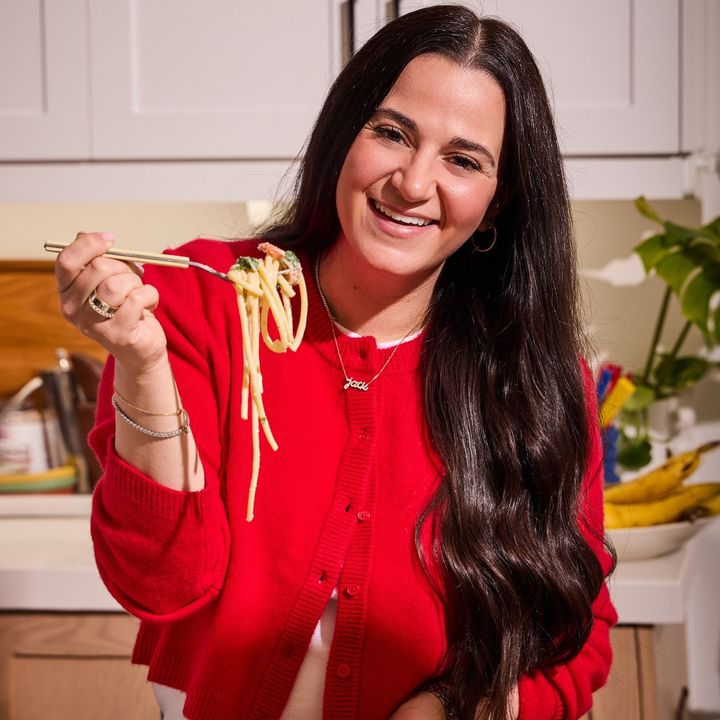
Jamie Milne
A Canadian culinary creator specializing in approachable gourmet recipes and comfort food.

Rachel - Beauty & Food Creator
Tester of all things trending in beauty & food

Claudia & Kaan
A duo dedicated to creating engaging travel and lifestyle content.

Chris Hau
Tech creator in Canada

Benny | Fitness Coach
Fitness Coach specializing in self-care and lifestyle.

Alicia Bell
Toronto's Premier Celebrity Trainer & Performance Coach
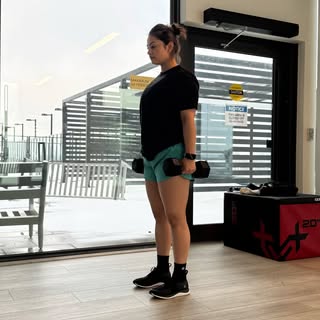
Shaili Bhatt
Fitness that fits real life. Building muscle & discipline.

Ankur & Preeti | Toronto Blogger | Food | Travel
Adding their 2 cents about Food, Travel & Things in Toronto.
Start with one Toronto campaign-product portfolio, not separate creator requests
A search for Toronto influencers often begins with several brands asking for different things: a product launch needs explanation, an established range needs fresh creative, and a service needs qualified consideration. Buying each request independently can produce overlapping briefs, conflicting exclusivity requirements and content that competes with itself. Begin with a consolidated portfolio of buying objectives before selecting categories or creators. The useful first question is not who can feature a product, but what each brand needs the campaign to change.
Build a campaign register that assigns every participating brand a commercial objective, a featured offer, an approval owner and a measurement priority. Separate mandatory outputs from optional creative opportunities. A technology brand may require an accurate demonstration; a food brand may prioritize an appetizing presentation; a fitness service may need a clearly explained booking journey. These requirements can share governance without sharing the same script, creator or success metric. Portfolio coordination should make differences explicit rather than flatten them.
| Portfolio decision | What the buyer records | Why it matters across brands |
|---|---|---|
| Buying objective | Awareness, consideration, qualified visits or reusable creative | Prevents unlike outcomes being treated as interchangeable |
| Featured offer | Exact product, service or approved range | Stops unapproved items becoming the campaign focus |
| Priority action | Watch, explore, register, inquire or purchase | Connects creative structure to the intended response |
| Approval ownership | Named brand lead and final decision-maker | Reduces contradictory feedback |
| Commercial restrictions | Competitor categories, usage limits and launch dependencies | Exposes conflicts before creators are approached |
Once the register exists, decide which requests genuinely belong together. Shared production can be sensible when products fit one coherent concept and each brand accepts the resulting prominence. It is less useful when unrelated offers require competing calls to action. A multi-brand portfolio does not have to become a multi-brand post. Separate executions can still use one schedule, common contracting standards and a consistent reporting framework.
Give the portfolio an allocation rule before discussing creator fees. Protect essential deliverables first, then rank additional work by its contribution to the objective rather than by whichever brand asks most often. Record what will be reduced if the available budget cannot support every request: publication volume, production complexity, optional variations or expanded rights. Avoid quietly reducing verification or approval time to preserve an oversized content plan.
Finally, define who resolves trade-offs. A portfolio owner should arbitrate shared resources, while individual brand owners remain responsible for product accuracy. This division helps a Toronto influencer campaign retain a recognizable purpose without forcing food, fashion, fitness and technology work into an artificial single-category narrative.
Establish what Toronto relevance must mean for this purchase
Toronto relevance can describe several different requirements: a discovery match, a production location, a customer market or the geographic focus of a story. Treat those as separate fields. CreatorFanBase listings should be reviewed with stored-city matches first, followed by broader Canada candidates where appropriate. A stored city may reflect historical origin or past residence; it does not confirm current residence, a shoot location or the feasibility of attending an assignment. Use the match to begin qualification, not to finish it.
Translate the campaign objective into evidence requirements. If the brief needs content produced in Toronto, ask about the proposed production arrangement and any associated travel or access dependencies. If it needs customers in Toronto, request audience or campaign evidence relevant to that market. A creator working elsewhere may still be suitable for a remote product demonstration, while a geographically convenient creator may not offer the customer coverage needed for a published placement. Neither conclusion should be drawn from a city tag alone.
- Record the stored discovery match separately from the proposed production location.
- Define whether Toronto customer coverage is essential, preferred or irrelevant to the assignment.
- Ask for the date, platform and scope of any audience evidence supplied.
- Confirm attendance, delivery and production arrangements directly before contracting.
- Keep unresolved geographic questions visible in the shortlist rather than filling gaps with assumptions.
For creator-published campaigns, audience validation should consider both geography and behavior. Ask how audience-location information was obtained, what share of the audience it describes and whether the evidence concerns followers, reached accounts or viewers of particular content. These are not equivalent populations. Review relevant recent work for the kinds of questions people ask, the clarity of responses and whether the creator can explain a product without relying on vague enthusiasm. Do not infer demographics from appearance, accent or content setting.
A local reference can support creative direction without taking over the campaign. Destination Toronto describes Kensington Market's vintage shops, street art and eclectic food scene as part of its distinctive neighborhood character. That is a limited geographic cue, not evidence of creator access, product origin or audience composition. A mix-existing-and-new styling brief could draw on the vintage-shopping context, but the campaign still needs its own product inventory and production plan.
Set a geography decision gate: approved, conditionally suitable or insufficient evidence. Conditional suitability can be useful when production is remote and audience coverage remains under review. It should not silently become approval because the creative portfolio looks strong. For buyers of Toronto influencers, explicit geographic requirements prevent both unnecessary exclusion and unsupported local claims.
Apply different category gates under one portfolio standard
Once buying objectives and geographic requirements are clear, select categories according to the work that must be done. A cross-category Toronto campaign needs consistent commercial governance but different evaluation criteria for food, fitness, fashion, technology and services. A creator's ability to produce attractive footage is useful across all five, yet it does not establish the judgment needed to explain every offer accurately. Match the assessment to the product and the intended customer action.
For food campaigns, examine whether the creator can follow approved preparation, presentation and product-information requirements. Specify which statements come from the brand, which reactions may be expressed as personal opinion and which information must appear on screen or in accompanying copy. Confirm handling and delivery responsibilities where physical products are involved. The buyer should not expect a creator to invent ingredient, nutritional or sourcing claims to make a concept more persuasive.
For fitness campaigns, distinguish equipment demonstrations, apparel features and service explanations. These assignments require different preparation and approval. A clear explanation of a booking process is not the same deliverable as a demonstration of equipment use. Define the boundaries of any performance or outcome statements, provide approved instructions and identify demonstrations that need qualified review. Do not select a creator solely because their appearance seems to match an assumed customer profile.
For fashion campaigns, assess how well the creator communicates fit, styling choices and product details relevant to the brief. Confirm sizes, sample handling, returns and whether substitutions are permitted. For technology campaigns, review explanatory structure, compatibility caveats, setup requirements and the ability to show actual product functions. Specify whether the creator needs a working device, test access or approved screen recordings. Avoid scripts that imply experience with a feature the creator has not used.
- Identify the category-specific decision the customer should be able to make after viewing.
- List the product facts and demonstrations necessary to support that decision.
- Assign a brand reviewer who can verify those facts before publication.
- Define what happens if a sample, service access or required feature is unavailable.
- Approve the category gate before requesting a finished creative concept.
Service campaigns deserve their own treatment even when they sit beside physical products. The deliverable may need to explain eligibility, an inquiry process, an appointment flow or the boundary between an introductory offer and the full service. Confirm what the creator can genuinely experience and what must remain a brand-provided explanation. Across all categories, preserve space for the creator's communication style while keeping factual approval with the appropriate brand owner. This produces comparable accountability without pretending every category has identical risks.
Assign Instagram, TikTok and YouTube distinct jobs
Choose channels after defining the customer decision and the depth of explanation it requires. Buying the same concept on Instagram, TikTok and YouTube can be justified, but copying one deliverable across platforms is not automatically an efficient distribution plan. Each placement should have a job: introduce the offer, demonstrate a use case, answer a likely objection or provide a more substantial explanation. The creator's demonstrated execution on that channel matters more than a general assumption about platform audiences.
Separate creator-published distribution from brand-owned content production at the deliverable level. A creator can be commissioned to produce an asset without publishing it, or to publish a placement with limited brand reuse. Those are different purchases. A campaign may need both, but the proposal should state which audience access is included and which files or permissions the brand receives. Production quality alone does not establish distribution value, and a large following does not establish the usefulness of an asset in the brand's own channels.
| Channel or output | Potential campaign role | Evidence and scope to request |
|---|---|---|
| Instagram creator publication | Visual product explanation or a sequenced set of touchpoints | Relevant format performance, placement details and agreed reporting |
| TikTok creator publication | A focused demonstration, problem framing or creative test | Comparable execution, viewer response and format-specific results |
| YouTube creator publication | A deeper explanation, integration or sustained walkthrough | Relevant viewing patterns, integration scope and audience evidence |
| Brand-owned edited assets | Website, organic social or other agreed brand use | File specifications, editing permissions and usage boundaries |
| Authorized paid distribution | Extend approved creative through agreed advertising arrangements | Explicit permission, access responsibilities, term and measurement plan |
For Instagram, define the exact formats, sequence and action path instead of requesting a vague package. For TikTok, assess whether the creator can make the product understandable within the proposed creative treatment, not merely reproduce a familiar opening. For YouTube, decide whether the brand needs a dedicated explanation or an integration within a broader piece. In each case, confirm how the commercial relationship will be identified and how any required product information fits naturally into the execution.
Plan adaptation intentionally. A technology walkthrough might yield a short demonstration and a longer explanation, but the edited versions should be scoped, reviewed and priced rather than assumed to be free byproducts. Food or fashion footage may support several variations only if the shot plan captures the necessary details. Include captions, aspect ratios, clean versions and thumbnails where they are genuinely required.
Finally, keep platform comparisons tied to the objective. Views, completed views, qualified visits and approved reusable assets describe different outcomes. A Toronto influencer portfolio can use several channels successfully without naming one universal winner; the useful comparison is whether each channel fulfilled its assigned role at an acceptable total cost.
Build a roster of complementary roles, including micro creators
A strong shortlist is not simply a ranking from largest to smallest audience. Define the roles the portfolio needs, then assess candidates for those roles. You may need an effective product explainer, a creator whose published work shows relevant customer interest, a production-focused contributor or someone who can sustain a coherent series. One person can fill more than one role, but that combination should be evidenced rather than assumed. This approach makes micro creator selection a strategic decision instead of a budget fallback.
Micro creators can be worth considering when their content shows close category alignment, clear explanations and meaningful audience interaction. A smaller following is not proof of stronger trust, better engagement or Toronto customer coverage. Look at several relevant pieces, the consistency of the work and the creator's ability to respond to a commercial brief. Ask whether the scope is realistic alongside their existing commitments, without assuming availability from posting frequency or an active profile.
Define the role before scoring the person
Write a short role description with the required category competence, channel, evidence and operational responsibilities. Keep essential requirements separate from preferences. A creator who lacks one optional aesthetic characteristic may still be the strongest person to explain a service accurately. Conversely, an appealing visual style should not compensate for missing audience evidence when local customer reach is central to the purchase.
Use evidence that reviewers can interpret consistently
A useful scorecard includes content relevance, explanatory quality, audience fit, production reliability, commercial conflicts and rights compatibility. Attach a brief reason to each rating. Avoid a single numerical score that conceals an unresolved mandatory requirement. Reviewers should be able to see why a candidate was advanced and what must be confirmed before an offer is made.
Keep a decision note for every finalist
Record the proposed role, supporting examples, unanswered questions and the conditions under which the candidate would be selected. This note is especially valuable when several brands share a roster but want different outputs. It allows the portfolio owner to distinguish a strong category specialist from a versatile contributor without implying that either is universally better.
- Advance candidates with evidence for the specific assignment, not just a polished profile.
- Keep alternatives for critical roles where production dependencies could disrupt the schedule.
- Check whether competitor work creates a real contractual conflict or only a perceived one.
- Ask about the creator's approach to factual corrections and consolidated feedback.
- Preserve a record of why a candidate was declined so repeat buying does not restart the same debate.
When choosing Toronto influencers, roster diversity should mean complementary campaign capabilities, not inferred personal characteristics. The final group should cover the portfolio's communication tasks without unnecessary duplication. If two candidates fill the same role equally well, compare the full proposed scope, evidence quality and operational fit before using follower count as a deciding factor.
More Canada creators for Toronto campaigns

Celina Myers
Celina Myers is a New York Times Bestselling author, comedian, and actress known for her spooky and comedic content.

Chris Bumstead
Mr Olympia champion turned fitness media brand

Avril Lavigne
Canadian singer and songwriter known for pop-punk albums including Let Go.

Céline Dion
Music creator in Canada
Alphonso Davies
Professional footballer for Bayern Munich and the Canada national team.

AzzyLand
AzzyLand is a Canadian YouTube personality known for reaction videos, gaming content, and vlogs.

Cristine Rotenberg
YouTube personality known for her nail art and holographic polish content.

Cassie Steele
A talented Canadian actress and singer known for her roles in popular teen dramas.

Ali Gatie
R&B singer-songwriter known for his emotional ballads and viral hits.
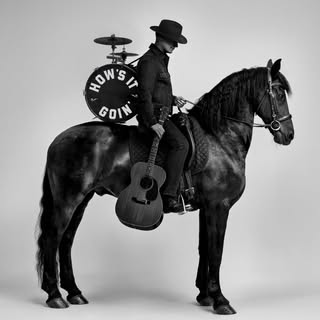
Bryan Adams
Rock musician, singer-songwriter, and photographer known for hits like 'Summer of '69'.

Anna O'Brien
Anna O'Brien empowers her audience with body-positive fashion, travel, and lifestyle content.

Crash Adams
Two friends spreading good vibes and music one song at a time.
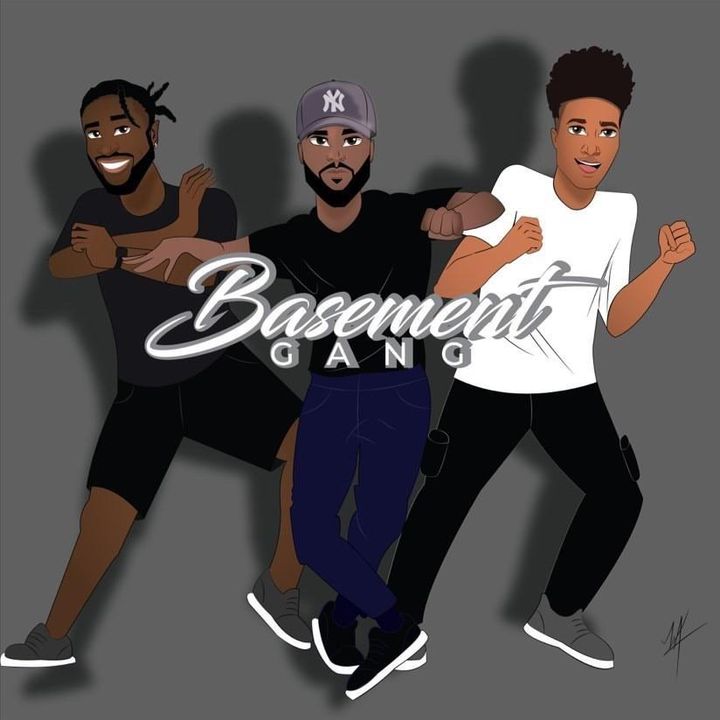
Basement Gang
A diverse group of friends creating relatable and humorous sketch comedy.

Alexander Stewart
A Canadian singer-songwriter known for his powerful vocals and emotional pop anthems.

Chris Ramsay
A professional magician and puzzle enthusiast who shares mind-bending solves and creative illusions.
Brogan F
A mental health and mess expert providing free cleaning services to the overwhelmed.

Anna Cathcart
Anna Cathcart is a Canadian actress widely recognized for her role as Kitty Song Covey.

Curtis Lepore
Curtis Lepore is a Canadian comedian, actor, and internet personality known for his short-form comedy sketches.

Curtis Newbill
A Canadian creator sharing menswear fashion tips and lifestyle vlogs with a 'yapping' twist.

AP DHILLON
Music creator in Canada

Alexa Jade
A Filipino-Canadian content creator known for her unique and sustainable fashion hauls, DIYs, and styling tips.

BasicallyIDoWrk
Marcel creates comedic gaming videos for his large online audience.

Casually Explained
A unique animated series that humorously simplifies complex topics and everyday absurdities.

Alex Sampson
A Canadian singer-songwriter known for sharing original music and covers on TikTok.

Christian DelGrosso
A Canadian actor, comedian, and social media personality known for his comedic skits and short-form videos.

Anthony Vincent
Anthony Vincent explores vocal styles and genres through multi-style covers and original music.

Dave2D
Dave Lee delivers high-quality video reviews and insights on useful technology.

Boho Beautiful Yoga
A conscious lifestyle brand providing yoga, fitness, and meditation content for mindful living.

Christian LeBlanc (Lost LeBlanc)
Christian LeBlanc shares his filmmaking and travel adventures around the globe after quitting his job.

AmandaRachLee
A prominent artist and content creator known for popularizing bullet journaling and creative stationery use.

Charlie Rocket
Charlie Rocket inspires millions with his delusional optimism and winning streak mindset.

Dan Rodo
A high-energy creator specializing in creative DIY projects and engaging life hack experiments.

Alicia Mccarvell
Alicia Mccarvell is a Canadian content creator known for her humorous and empowering videos, often featuring her husband, Scott.

Charlotte Cardin
Canadian pop and jazz singer-songwriter known for her soulful voice.

Abbey Yung
A certified trichologist and beauty expert sharing science-backed hair, skin, and beauty advice across social media.

Aria Keoxer
Aria Keoxer is a Vancouver-based YouTuber known for his comedic vlogs and challenges.

Allana Davison
Vlogger/Blogger/Anything-ogger covering beauty, fashion & lifestyle

Canadian Prepper
A leading resource for disaster readiness and analysis of global survival risks.

Coach Jeremy
A dedicated hockey coach and dad sharing skills, drills, and the joy of the game with players of all levels.

Chef Michel Dumas et Jean-Pierre Dumas
A father and son duo making cooking accessible and entertaining with a humorous touch.
Request comparable proposals before answering the sponsorship cost question
The useful answer to 'How much do Toronto influencers cost?' starts with the scope being purchased. Creator publication, content production, expanded usage, exclusivity and complex demonstrations are distinct commercial components. Without a common brief, proposals may appear comparable while including materially different obligations. One may cover a single published asset; another may include multiple edits, brand reuse and additional production work. Comparing only the headline total encourages the buyer to select an incomplete offer.
Send finalists the same core request, with category-specific attachments where necessary. Identify the featured brand, exact outputs, publication expectations, approval process, required rights and reporting obligations. Give creators room to propose a better execution, but ask them to label departures from the requested scope. Alternatives are useful when they make trade-offs visible. They are less useful when an appealing concept hides the removal of a required deliverable or an additional rights charge.
- Issue one version-controlled brief with a response deadline and a contact for questions.
- Ask for separate descriptions of production, publication and optional additions.
- Require assumptions about samples, access, travel, editing and feedback to be stated.
- Clarify usage, exclusivity and cancellation terms before comparing totals.
- Normalize proposals against the same mandatory scope and record exclusions.
- Request written confirmation of the final agreed package before booking.
Budget decisions should include internal costs as well as creator compensation. Brand review time, shipping coordination, product support and asset administration can affect whether an apparently economical roster remains manageable. A multi-brand campaign with many small assignments may require more coordination than a smaller set of broader engagements. That does not make either model inherently better; it means the buyer should assess total delivery effort alongside commercial coverage.
When a proposal exceeds budget, change the scope deliberately. You might reduce optional variations, simplify a production dependency, narrow the permitted usage term or separate an exploratory phase from a larger commitment. Do not assume that a lower offer buys the same rights and service level. Ask what the revised price includes and whether the change affects publication, review rounds or reporting. Keep the creator's proposed solution visible to the brand approver.
Cost-effectiveness also depends on the intended outcome. For brand-owned creative, evaluate the quantity and usefulness of approved assets within the purchased rights. For creator publication, consider relevant distribution evidence and the reporting available. For a mixed portfolio, maintain separate evaluation lines so reusable production does not get judged solely by views. The goal is a defensible purchase decision, not a universal rate benchmark that ignores the work.
Contract by brand, asset and permission—not by a vague campaign label
A portfolio agreement needs to make the campaign understandable at the level where disputes could arise. Name the contracting parties, participating brands, deliverables and responsible approvers. State whether one brand can use an asset created for another and whether any group-level permission is intended. Do not assume that shared ownership, shared coordination or inclusion in the same brief automatically grants every participating brand the same rights. The agreement should describe the actual planned use.
Separate permission to publish from permission to reuse. A creator's post can have one publication arrangement while the delivered files have a different brand-use term. Specify channels, territory, duration, permitted edits and whether paid advertising is included. If authorization through a creator account is required, document the arrangement, responsible parties and end point. Raw files, alternate cuts and the ability to create new derivatives should be addressed explicitly rather than treated as implied extras.
Exclusivity needs equally precise boundaries. Define the restricted product or service categories, the applicable period and any existing commitments that remain permitted. A broad restriction can affect several brands in the portfolio and may have a commercial consequence. Ask whether the requested protection solves a real competitive concern. Avoid vague language that could prevent unrelated work while failing to address the specific competitor placement that matters to the buyer.
- Identify each deliverable and the brand entitled to use it.
- State publication timing, approval dependencies and any minimum live-period agreement.
- Document usage channels, paid permissions, editing rights and expiry dates.
- Set feedback rounds, correction responsibilities and approval deadlines.
- Agree payment milestones, cancellation handling and treatment of unavoidable delays.
- Assign responsibility for commercial disclosure and approved product statements.
The contract should also distinguish a factual correction from a creative change of direction. If a creator departs from an approved product fact, the remedy differs from a brand deciding it wants a different concept after filming. Set a consolidated feedback process and identify who can authorize additional work. For multi-brand assets, give one person responsibility for reconciling comments before they reach the creator. Otherwise, separate brand approvals can produce contradictory instructions and unplanned revisions.
Treat records as part of rights management. Store the final brief, accepted proposal, signed agreement, approved scripts, final assets and publication references together. Maintain an expiry record for permissions that end, including any required removal or advertising shutdown. Where a legal question is material, obtain appropriate professional review rather than relying on a campaign checklist as legal advice. Good contracting does not remove every uncertainty; it makes responsibilities and commercial assumptions visible before money and production time are committed.
Run separate production and publication gates with a product inventory
Production readiness and publication readiness are different approvals. A creator may be ready to film while a launch date remains undecided, or an asset may be finished while product claims are still awaiting approval. Maintain separate gates so one kind of progress does not imply the other. For Toronto influencer campaigns involving several brands, this distinction also helps prevent one delayed product or unresolved claim from blocking unrelated work unnecessarily.
The production gate should confirm the brief version, samples or service access, instructions, shot requirements and review arrangements. Where attendance or a specific setting is necessary, confirm permission and feasibility directly. Do not infer access from a creator's portfolio or a stored location. For shipped products, identify who tracks delivery, who answers setup questions and what happens if the supplied item is unsuitable for the agreed demonstration. A contingency should preserve factual accuracy rather than encourage an improvised substitute.
Use an owned-prop versus featured-product inventory whenever background styling could confuse the commercial message. This is useful across categories: a food scene may contain serving objects, a fitness demonstration may include incidental equipment, and a technology setup may show furniture or accessories. The inventory distinguishes the objects supplied to communicate the campaign offer from objects that merely support the scene. It should not introduce environmental, provenance or ownership-history claims.
| Inventory field | Owned prop or background styling | Featured campaign product |
|---|---|---|
| Campaign role | Supports composition or context | Delivers the commercial message |
| Identification | Internal description sufficient for continuity | Approved product name and relevant variant |
| Purchase treatment | No implication that it is part of the promoted offer | Correct destination or purchase information where required |
| Review focus | Confusion, competing branding and visual prominence | Accuracy, demonstration and required product details |
| Replacement rule | Change if it remains non-promotional and acceptable | Obtain approval before substituting the featured item |
For mix-existing-and-new home styling, document which existing objects remain in the frame and which new objects are the campaign products. The distinction is operational, not a claim about sustainability, origin or authenticity. Keep this tool proportionate: it supports a cross-category campaign but should not become the organizing concept for every brand's work.
The publication gate should confirm final creative approval, caption accuracy, disclosure, links, tracking, scheduled timing and the correct account or channel. Verify that the approved asset matches the version being uploaded. Record who checks the live placement and who handles a correction. Production acceptance, permission to publish and completion of the live-placement check should each have their own status. This prevents a finished file from being mistaken for a completed campaign.
Report portfolio outcomes without flattening category differences
Reporting begins with the objective register, not with whichever metrics are easiest to collect after publication. Each brand should have a primary outcome and supporting measures that fit its assignment. A food demonstration intended to introduce a product, a technology explanation intended to support consideration and a service campaign intended to generate inquiries may require different interpretations. A portfolio summary can bring them together while preserving those distinctions instead of producing a misleading combined success score.
Agree reporting requirements before contracting. Specify what the creator will supply, the format, the reporting window and the point from which elapsed time is measured. Ask for metric definitions where labels could be ambiguous. Reach, views, impressions and engagements are not interchangeable, and platform reporting can describe different behaviors. If a required measure is unavailable, resolve that before purchase rather than expecting the creator to reconstruct it later. Mark missing evidence as missing rather than estimating it without an agreed method.
- Match each deliverable to its brand, objective and approved campaign role.
- Collect the agreed publication references and platform evidence on schedule.
- Review tracking implementation and identify gaps before interpreting results.
- Separate distribution outcomes from production and asset-acceptance outcomes.
- Compare results with the original objective and documented assumptions.
- Record a specific buying decision for the next campaign cycle.
For customer actions, distinguish observable tracked activity from broader commercial impact. A link can help connect visits to a placement, but it does not necessarily capture every route to a purchase or inquiry. Confirm how the brand will assess downstream quality and who owns that data. Avoid attributing all movement during a campaign period to creator activity. Where measurement cannot isolate the effect, describe the evidence and its limitations plainly instead of creating false precision.
Operational performance belongs in the report as well. Review whether deliverables arrived as agreed, factual corrections were handled effectively and approvals stayed within the planned process. Track useful approved assets within their rights period rather than simply counting delivered files. If several brands used the same production arrangement, note whether the coordination saved effort or introduced delays. Those findings can change the next procurement decision even when publication performance is satisfactory.
End with decisions rather than a gallery of screenshots. A creator might be renewed for explanatory content but not for a particular distribution objective. A strong asset might justify further permitted adaptation, while weak tracking may require a measurement redesign before any scale-up. For Toronto influencers, repeat buying becomes more defensible when the report distinguishes creator execution, audience evidence, offer performance and internal operational constraints.
Turn repeat buying into a governed program—and choose the right purchase path
Scaling a Toronto influencer program should mean repeating what has been evidenced, not automatically expanding every line of the previous campaign. Review the portfolio register, creator decision notes and reporting conclusions together. Renew roles that worked, revise assignments that were poorly specified and retire outputs that did not support a clear objective. Keep successful creative principles without assuming the same product, audience response or commercial arrangement will remain appropriate indefinitely.
Before the next cycle, check the conditions that may have changed: product availability, brand priorities, creator commitments, rights expiry and required customer coverage. Reconfirm relevant facts rather than treating an earlier engagement as permanent qualification. A retained roster can reduce repeated evaluation work, but it still needs a current assignment brief and written commercial agreement. Separate the decision to invite a creator back from the decision to commission the exact same scope.
CreatorFanBase offers two different purchase paths. Discovery subscriptions support buyers who want to organize their own research using country, category, platform, language and follower filters, with shortlists and CSV exports. The buyer then owns outreach, verification, commercial discussions, contracting and campaign management unless separately arranged. Language filters can help organize discovery, but language suitability for a particular assignment should still be checked against the creator's work and the brief.
Use Search Canada campaign candidates to explore the country-wide candidate pool after reviewing relevant stored Toronto matches. This link applies a Canada filter only; it is not a Toronto-filtered search, and country candidates are not necessarily Toronto-based. If your team has the capacity to manage selection and delivery, Choose a creator discovery plan to review the available discovery options without assuming that research tools include managed hiring.
CFB Agency is a separate quoted managed service that contacts creators, checks availability and negotiates. Its scope and written terms are set for the brief through a custom quote, not a fixed fee or percentage. Buyers who need that managed support can Get a Toronto campaign quote. Describe the brands involved, buying objectives, categories, deliverables, production requirements, publication expectations and desired rights so the proposed service can address the actual assignment. Confirm which approval and campaign responsibilities remain with your team.
Whichever path you choose, keep one governed portfolio record rather than scattering decisions across brand-specific conversations. Set a repeat-buy review point, retain the reasons behind renewals and update the inventory of usable assets and permissions. The result should be a more coherent buying program: clearer responsibilities, comparable scopes, fewer accidental overlaps and a documented basis for deciding which creators, categories and channels deserve the next investment.
Questions about influencers in Toronto
How should I start looking for Toronto influencers?
Start by consolidating the objectives of every participating brand, then define the campaign roles you need. Review stored Toronto matches before broadening to Canada candidates. Assess relevant content, audience evidence and operational fit separately. A useful shortlist records both why a creator fits and what must still be confirmed before hiring.
Does a Toronto city match confirm where a creator currently lives?
No. A stored city match may reflect historical origin or past residence rather than current residence. It also does not establish the creator's production location or ability to attend an assignment. If location matters to delivery, ask about the proposed production arrangement and confirm the practical requirements before committing.
Can Canada candidates be suitable for a Toronto campaign?
Yes, depending on the assignment. Remote production or a relevant published placement may not require a Toronto-based creator. Canada candidates are not necessarily located in Toronto, however. Assess production feasibility and customer coverage independently, and do not treat a country match as evidence that either requirement has been satisfied.
How do I verify that a creator reaches customers in Toronto?
Request relevant audience-location evidence and ask what it describes: followers, reached accounts or viewers of specific content. Check its date and platform, then compare it with the campaign requirement. City tags and visual settings do not establish audience geography. If the evidence is insufficient, keep that requirement unresolved.
Are micro influencers a good choice for a multi-brand campaign?
They can be, when their category knowledge, communication style and audience evidence match a defined role. Smaller audience size alone does not establish stronger trust or better results. Evaluate several relevant pieces of work, the proposed deliverables and the creator's ability to manage approvals before deciding how they fit the portfolio.
How much does sponsoring Toronto influencers cost?
The cost depends on the actual scope: production, creator publication, usage rights, exclusivity, adaptations and operational complexity. Request comparable proposals against one written brief rather than relying on a general rate estimate. Check exclusions and assumptions so a lower total does not conceal missing rights, reporting or required deliverables.
Should several brands appear in the same creator post?
Only when the combination supports a coherent concept and each brand accepts its prominence and call to action. Portfolio coordination does not require shared posts. Separate executions can use common approval standards and reporting while avoiding competing messages. Decide based on the customer experience rather than production convenience alone.
Which campaign categories can share a procurement process?
Food, fitness, fashion, technology and services can share an objective register, commercial standards and reporting structure. Their evaluation gates should still differ. Product demonstrations, fit explanations, approved food information and service booking journeys require different evidence and reviewers. Shared procurement works best when it preserves these distinctions.
Should I prioritize Instagram, TikTok or YouTube?
Prioritize the channel that fits the intended customer decision and the creator's demonstrated execution. Define whether the placement must introduce, demonstrate or explain the offer in depth. Compare relevant format evidence rather than assuming a platform guarantees a particular audience. Multiple channels can serve complementary roles within one portfolio.
What is the difference between creator publication and content production?
Creator publication purchases an agreed placement through the creator's channel. Content production purchases specified assets, with usage governed by the agreement. One does not automatically include the other. A mixed campaign should identify publication obligations, delivered files and brand permissions separately so buyers can compare the actual scope.
What should go into a creator shortlist scorecard?
Include category relevance, explanatory quality, audience evidence, operational fit, commercial conflicts and rights compatibility. Separate mandatory requirements from preferences, and attach reasons to ratings. Avoid allowing an attractive overall score to hide a failed essential requirement. Each finalist should have a proposed role and a short list of outstanding questions.
What information makes creator proposals comparable?
Provide the same core brief, specifying brands, deliverables, publication requirements, approvals, rights and reporting. Ask creators to state assumptions about samples, access, editing and feedback. Require alternatives and exclusions to be labeled clearly. Compare the mandatory scope first, then assess optional additions according to their contribution to the objective.
Who should approve content in a multi-brand campaign?
Each brand should identify someone responsible for product accuracy, while one campaign owner consolidates feedback and resolves shared-resource conflicts. Define the final approver for each asset before production. This avoids contradictory comments reaching the creator and helps distinguish factual corrections from additional creative work requested after approval.
What usage rights should a brand request?
Request only the permissions needed for the planned use, specifying channels, territory, duration, editing and paid distribution where relevant. Address raw files and derivatives explicitly. For multi-brand work, name the brands entitled to use each asset rather than assuming all participants receive identical rights through a shared campaign agreement.
How should exclusivity be handled?
Define the restricted categories, time period and treatment of existing commitments. Check whether the restriction addresses a genuine competitive concern and whether it affects other portfolio brands. Broad exclusivity can have commercial consequences, so do not leave it implied. Review the proposed wording alongside the creator's disclosed commitments.
Why separate production approval from publication approval?
A creator can be ready to film before launch timing, captions or tracking are finalized. Separate gates prevent production progress from being mistaken for permission to publish. Production approval confirms inputs and execution requirements; publication approval confirms the final asset, claims, disclosure, links, timing and correct channel.
What is an owned-prop versus featured-product inventory?
It is a practical record distinguishing background objects from the products the campaign promotes. Identify each object's role, purchase treatment and replacement rules. This reduces confusion in styled scenes across categories. The inventory should not make unsupported environmental or provenance claims, or imply that every visible object is purchasable through the campaign.
Can a Toronto neighborhood reference establish production access?
No. A neighborhood reference can inform a limited creative cue, but it does not establish permission, creator residence or attendance feasibility. If the concept requires a particular setting, confirm access and production arrangements directly. Keep the geographic inspiration separate from the evidence used to approve the actual shoot.
What reporting should I request before hiring?
Specify the metrics, reporting window, evidence format and delivery date appropriate to the objective. Separate creator distribution results from asset-production outcomes and downstream customer actions. Confirm availability before contracting. If a required measure cannot be supplied, revise the measurement plan rather than assuming it will become available after publication.
How can I compare results across different campaign categories?
Use a shared reporting structure but retain category-specific objectives. Compare each deliverable with its assigned role, then summarize portfolio outcomes without treating views, inquiries and reusable assets as equivalent. Include operational performance and measurement gaps. The strongest report explains what should be renewed, revised or stopped in the next cycle.
Who is responsible for the different parts of hiring creators?
Assign owners for discovery, outreach, evidence checks, negotiations, contracting, product delivery, approvals and reporting. Some tasks may be delegated, but responsibility should remain explicit. Brand teams should retain control of approved product facts and final business decisions. Record any external support and its scope in writing before work starts.
When should a successful creator campaign be scaled?
Scale when the evidence supports repeating a defined role and the operational process can handle more work. Review rights, product priorities, creator commitments and measurement quality first. A successful initial engagement does not automatically justify broader categories or longer permissions. Expand the proven elements while testing material changes deliberately.
Influencers in other cities
- Influencers in Dubai
- Influencers in New York
- Influencers in Mumbai
- Influencers in Miami
- Influencers in Bangalore
- Influencers in Delhi
- Influencers in Chicago
- Influencers in London
- Influencers in San Diego
- Influencers in Dallas
- Influencers in Manchester
- Influencers in Hyderabad
- Influencers in Pune
- Influencers in Nashville
- Influencers in Los Angeles
- Influencers in Austin
- Influencers in Atlanta
- Influencers in Houston
- Influencers in Las Vegas
- Influencers in Chennai
- Influencers in Riyadh
- Influencers in Abu Dhabi
- Influencers in Singapore
- Influencers in Boston
- Influencers in Sydney
- Influencers in Seattle
- Influencers in Melbourne
- Influencers in Vancouver
- Influencers in Philadelphia
- Influencers in Washington DC
- Influencers in Detroit
- Influencers in Minneapolis
- Influencers in Baltimore
- Influencers in Pittsburgh
- Influencers in Edinburgh
- Influencers in Glasgow
- Influencers in Leeds
- Influencers in Denver
- Influencers in San Francisco
- Influencers in Orlando
- Influencers in Liverpool
- Influencers in Phoenix
- Influencers in Portland
- Influencers in Columbus
- Influencers in Cleveland
- Influencers in Indianapolis
- Influencers in Charlotte
- Influencers in Raleigh
- Influencers in Tampa
- Influencers in Sacramento
- Influencers in Salt Lake City
- Influencers in San Antonio
- Influencers in Birmingham
- Influencers in Bristol
- Influencers in Nottingham
- Influencers in Sheffield
- Influencers in Newcastle
- Influencers in Cardiff
- Influencers in Belfast
- Influencers in Calgary
- Influencers in Ottawa