
Influencers in Bristol
To hire Bristol influencers, define the creator’s decision-making freedom before comparing candidates. Use city matches as discovery leads, verify audience fit and production feasibility separately, then agree deliverables, disclosure, approvals and rights. CreatorFanBase supports self-service discovery, while its separate agency service can handle outreach, availability checks and negotiation against your brief.
Campaign niches in Bristol
Start your Bristol brief with a creative-control charter
A useful Bristol influencer brief starts with a boundary: what must the creator communicate accurately, and what should remain theirs to invent? That question matters across product demonstrations, service explanations, brand sponsorships and other campaign types. Selecting someone for their distinctive delivery and then prescribing every sentence can remove the quality that made them worth considering. Giving complete freedom without agreed claims, meanwhile, can leave both sides guessing about what is acceptable.
Separate the promise from the performance
Write the business objective in plain language before adding formats or production instructions. You might need an audience to understand an offer, investigate a product or complete a defined action. Specify which of those outcomes the content should support, without treating a creator’s participation as a promise that the outcome will happen. Then identify the information a viewer must receive to make sense of the message.
Define the non-negotiable claims
Provide approved factual wording and the evidence behind any product or service claims you want included. Distinguish an exact statement from a general message that can be paraphrased. If a claim requires qualification, make the qualification part of the brief rather than a late addition during editing. The creator should not have to infer which descriptions are substantiated or which comparisons are permitted.
Preserve discretion inside those boundaries
Leave room for the hook, pacing, vocabulary, visual treatment and personal interpretation where those choices do not change the agreed facts. Ask for voice samples from existing work and explain which qualities you want to preserve. These samples are reference points for collaboration, not instructions to copy another sponsor’s execution.
- Fix the claims, required qualifications, disclosure expectations and prohibited statements.
- Invite the creator to propose the opening, narrative structure and presentation style.
- Identify which elements need concept approval before production begins.
- Name the person who can resolve a disagreement about accuracy or creative direction.
Turn this into a short charter that sits alongside the commercial agreement. It should identify the objective, audience, required message, creative discretion, approval stages, revision boundaries and escalation owner. Keep it specific enough to use when a disagreement arises: “make it more engaging” is not an operational instruction, while “explain the offer before the closing action” is something both sides can evaluate.
For a Bristol-focused campaign, include the reason the city matters. Is physical attendance essential, is the intended audience geographically relevant, or is the brief simply using Bristol as a discovery starting point? Those are different requirements. Settling that distinction early prevents a location preference from silently turning into an attendance obligation or an unsupported assumption about who will see the content.
Read Bristol matches as leads, not location guarantees
Bristol influencers can mean several things to a buyer: creators associated with the city, creators able to produce there, or creators whose audiences include the people the campaign needs to reach. These groups may overlap, but one does not establish another. A useful selection process treats each interpretation as a separate question rather than allowing a city label to answer all three.
The listing scope starts with stored-city matches and then broadens to UK candidates. A stored city may reflect historical origin or past residence. It does not confirm current residence, the place where content will be produced or the feasibility of attending a particular appointment. Broader country candidates should therefore be assessed on their suitability for the assignment, not described as Bristol-based simply because they appear after city matches.
| Discovery signal | What it helps you do | What to establish before booking |
|---|---|---|
| Stored Bristol city match | Identify a possible connection worth exploring | Current relevance to the brief and any attendance requirement |
| UK country match | Broaden the pool for an otherwise suitable assignment | Whether the creator can meet the campaign’s actual location needs |
| Relevant content examples | Evaluate subject handling and presentation | Whether the proposed sponsored treatment fits the assignment |
| Audience information | Investigate potential audience alignment | Geography, reporting period and relevance to the intended buyer |
Decide whether Bristol is a production requirement
If the campaign can be produced remotely, do not add an unnecessary local attendance condition. Ask what assets, product delivery, demonstrations or interviews the creator needs instead. If attendance is essential, specify the proposed date, expected time commitment, production responsibilities and any access dependencies. The creator can then respond to an actual assignment rather than an ambiguous request for someone “local.”
Keep destination context separate from production permissions. Visit Bristol lists Clifton Suspension Bridge, but that listing does not establish filming access, permission for a commercial activity or suitability for your content. If a brief proposes using it, access and production arrangements require their own confirmation. The reference also tells you nothing about a creator’s residence or audience.
A practical evaluation sheet should have separate fields for city association, audience evidence and attendance feasibility. Record the answer, its source and any unresolved question in each field. This makes comparisons more useful than a single “local fit” score. It also allows a creator with a weaker city association but stronger audience or production fit to remain under consideration when the campaign does not genuinely require current Bristol residence.
Choose the buying route before anyone starts outreach
CreatorFanBase offers two distinct purchase paths, and the right choice depends on who will do the campaign work. A discovery subscription supports a buyer who wants to identify and organise candidates. CFB Agency is a separate quoted managed service for contacting creators, checking availability and negotiating. Choose between them by assigning responsibilities, not by assuming that access to discovery includes managed execution.
For self-service discovery, CreatorFanBase offers country, category, platform, language and follower filters, together with shortlists and CSV exports. You can Search the UK campaign candidates to explore a country-filtered pool. That link filters the United Kingdom; it is not a Bristol city filter. Use the resulting candidates as inputs to your evaluation rather than treating their inclusion as confirmation that they meet the whole brief.
Match the purchase to your team’s capacity
A subscription makes sense when someone on your side can review candidates, organise outreach, assess responses and take the campaign through contracting and delivery. Shortlists help organise consideration, while CSV exports support your own working process. Neither replaces the need to establish suitability, availability, permissions or commercial agreement with an individual creator.
- Name the person responsible for finding and assessing candidates.
- Decide who will contact creators and manage follow-up questions.
- Assign responsibility for commercial negotiation and agreement review.
- Identify who will manage claims, approvals, disclosure and final delivery.
- Choose the buying route that fits those responsibilities and your available capacity.
If you have that operating capacity, Choose a creator discovery plan after reviewing the available plan information. Base the decision on the discovery work you actually need to perform. Do not assume particular plan terms, usage allowances or outreach services unless they are stated in the offer you are considering.
If you want help with creator contact, availability checks and negotiation, Get a Bristol campaign quote. Explain the objective, required platforms, likely deliverables, timing constraints, location requirements and intended content use. These details give the quoted service a meaningful scope. Ask which additional campaign tasks, if any, are included rather than assuming every production or reporting responsibility transfers automatically.
Whichever route you choose, retain an accountable brand-side decision-maker. Someone must supply approved claims, resolve internal feedback and authorise commercial decisions. A managed service can support the agreed process, but it cannot remove the need for the buyer to know what the campaign is allowed to say, what success means or which trade-offs the business will accept.
Test micro creators on message fit before comparing size
When assessing micro influencers for a Bristol brief, start with the work the creator must perform. A follower total is a screening input, not a complete explanation of suitability. Your campaign may need a clear demonstration, a credible explanation, a distinctive visual treatment or a sustained conversation with viewers. Evaluate evidence of that ability before deciding that a larger or smaller account is inherently preferable.
Avoid imposing an arbitrary numerical definition of “micro” if it does not help the buying decision. Instead, establish the follower range you want to explore, then compare candidates within the context of their content, audience evidence and proposed role. A smaller account can still be unsuitable for the message, while a creator outside your initial range may justify consideration for a particular task.
| Selection question | Evidence to request or review | Buying implication |
|---|---|---|
| Can they explain the subject clearly? | Relevant examples with understandable claims and structure | Whether the message fits their demonstrated strengths |
| Does the sponsored work retain their voice? | Previous commercial content alongside other posts | How much adaptation the brief may require |
| Is the audience relevant? | Appropriate audience information and context | Whether exposure could reach the intended buyer |
| Can they meet the production requirements? | A response to the actual deliverable and schedule | Whether the assignment is operationally feasible |
| Are expectations commercially compatible? | A scoped proposal covering work and usage | Whether the partnership can be agreed without hidden assumptions |
Compare voice samples, not just polished showreels
Choose several examples that reveal how the creator opens a topic, qualifies a statement and responds to audience questions. Look for the parts of their delivery that your charter should protect. A creator who explains carefully may not suit a brief built entirely around speed; someone whose appeal comes from spontaneity may struggle under a word-for-word script.
Assess audience interaction for relevance rather than treating every response as equal evidence. Questions about use, suitability or next steps may be more informative for one campaign than general compliments. This is a qualitative judgment, not proof that viewers will purchase. Where reporting is available, examine the period and content sample behind it before making comparisons.
Use a written decision note for each serious candidate: the job they could do well, the evidence supporting that view, the uncertainty that remains and the condition that would rule them out. This prevents follower size from becoming the default tiebreaker. It also makes internal approval easier because colleagues can see why the proposed creator fits the task instead of receiving a list of names with unexplained scores.
Choose Instagram, TikTok or YouTube around the explanation
Platform selection should follow the content’s job. Before asking a creator to deliver on Instagram, TikTok or YouTube, decide what the audience needs to understand and how much context the message requires. A short introduction, a product demonstration and an extended explanation are different assignments. Buying a presence on every platform can create unnecessary adaptation work without resolving which treatment is most useful.
For Instagram, ask which available format the creator proposes and why it suits the message. If the brief combines visual explanation with an action you want viewers to take, inspect how the proposed sequence handles both. Confirm the deliverable rather than using “an Instagram post” as shorthand for an undefined package. Duration, number of assets, supporting copy and any follow-up content should be explicit.
For TikTok, review how the creator would introduce the subject and keep the commercial message understandable within the intended treatment. Do not require a trend-led approach merely because of the platform. Ask whether the concept can carry the necessary facts and qualifications without making them feel disconnected from the rest of the video. Platform choice does not reduce the need for claim accuracy.
For YouTube, distinguish a dedicated piece from an integration within broader content. The surrounding topic, placement of the commercial segment and amount of explanation can materially change the assignment. Ask where the message belongs and what the viewer needs to know before it appears. Agree any accompanying copy or links as part of the deliverable rather than assuming them.
Give each placement a defined role
- Use an introduction when the main task is to make the offer understandable quickly.
- Use a demonstration when viewers need to see a process, function or application.
- Use an explanation when the buying decision requires context or qualification.
- Use follow-up content only when it answers a specific audience question or campaign need.
Cross-platform distribution requires its own creative decisions. A file that can technically be uploaded elsewhere may not be a finished adaptation. Framing, opening context, on-screen text, supporting copy and the call to action may need to change. Specify whether you are buying separate native treatments, edited versions of one production or permission to reuse a completed asset.
Finally, decide which placement carries the primary campaign objective and which, if any, supports it. Give each one a reason to exist and a measurement plan. This keeps the Bristol brief cross-category and purpose-led: the platform is selected for the explanation and audience evidence, not because a particular category is assumed to belong on one channel.
More the UK creators for Bristol campaigns

Adele
Record-breaking British singer

ANNE-MARIE
Chart-topping British singer-songwriter known for pop and electronic music.

Ali-A
Call of Duty and Fortnite creator

Arun Maini
Tech creator in United Kingdom

Anthony Joshua
British Olympic gold medalist and two-time world heavyweight boxing champion.

Atif Aslam
Pakistani playback singer and actor, known for his vocal belting technique.

Amy Jackson Westwick
British actress, mother to Andreas and Oscar.

Adekunle Gold
Nigerian singer, songwriter, and graphic designer known for his 'urban highlife' sound.

Anya Taylor-Joy
Actress known for The Queen's Gambit, The Witch and Furiosa: A Mad Max Saga.

Angelababy
Actress, model, and businesswoman known for her dynamic career in China and beyond.

Ant & Dec
Award-winning British television presenting duo and comedians.

Alejandro Garnacho
Professional footballer for Manchester United and the Argentina national team.

Arctic Monkeys
Arctic Monkeys are an English rock band formed in Sheffield in 2002.

Andrew Hozier-Byrne
Irish musician, singer, and songwriter known for hit songs like 'Take Me to Church'.

Ali Abdaal
Doctor turned productivity educator

Alfie Deyes
A British content creator, entrepreneur, and father sharing aspects of his life and ventures.
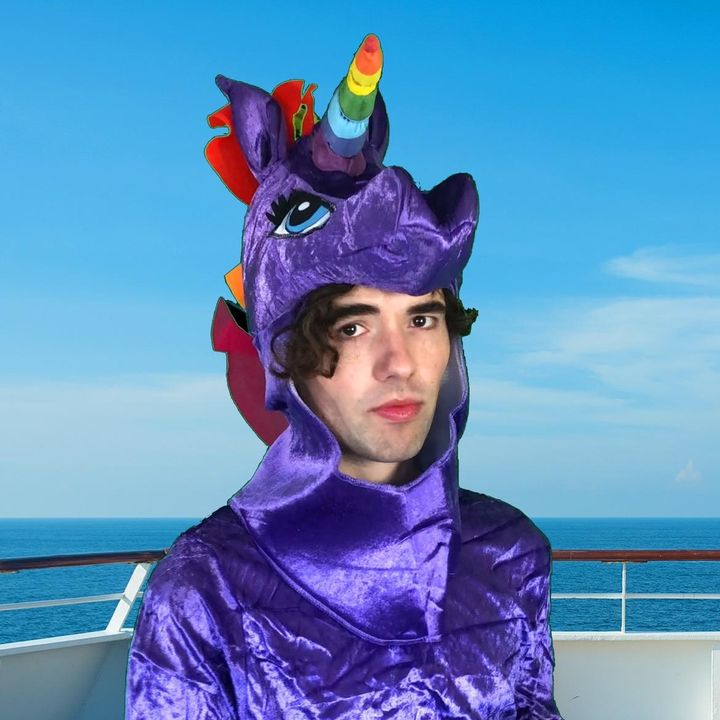
Adrian Bliss
Adrian Bliss is a British comedic creator known for his unique, witty sketches that frequently break the fourth wall.

Andrei Deiu'
Professional bodybuilder, Olympian, and fitness model.

Alexa Chung
Fashion icon, model, television presenter, and designer known for her distinctive style.
Andrae Hugh Sutherland
Jamaican dancehall artist known for 'Family' and 'Silence'.

Alex Albon
Thai-British Formula 1 driver for Williams Racing, known for his racing career.

Alex Oxlade-Chamberlain
Professional footballer for Celtic FC and former Arsenal & Liverpool midfielder.

Amanda Holden
Judge on Britain's Got Talent, host of the UK's biggest commercial breakfast show.

Aitch
Aitch is a British rapper known for his energetic flow and relatable lyrics, achieving significant success with his chart-topping hits.

Amber Rose Gill
Love Island winner turned media personality and beauty entrepreneur.

Alison Hammond
BAFTA-nominated TV Presenter and Broadcaster known for her joyful personality.

Amelia Dimoldenberg
Journalist and comedian best known for her viral 'Chicken Shop Date' series.

Aimee Lou Wood
Award-winning English actress, known for her role as Aimee Gibbs in 'Sex Education'.

Alex Scott MBE
Former Arsenal and England footballer, now a prominent sports broadcaster and presenter.
Alan Carr
British stand-up comedian and television presenter known for his chat shows and wit.

Alex Zinchenko
Professional footballer for Arsenal and captain of the Ukraine national team.

Andy Murray
Professional tennis player and former world No. 1.

AnEsonGib
Professional boxer and YouTube entertainer known for his gaming content and high-profile fights.

Aj Shabeel
This British YouTuber is known for his chaotic and often absurd video concepts, engaging viewers with his unique brand of humour.

Armeena Khan
Award-winning actress and human rights advocate residing in the UK.

Abi Clarke
UK-based comedy creator on Instagram

Ashens
Witty British humor and reviews of terrible products, from food to electronics.

Alex Iwobi
Professional footballer for Fulham FC and the Nigeria national team.

Alicia Breuer
Alicia Breuer is a British TikTok content creator known for her relatable short-form comedy sketches.

Arvid Lindblad
British racing driver and F1 driver for Visa Cash App RB.
Approve the concept while changes are still practical
Concept approval is the point where creative control becomes operational. It should establish that the proposed idea can communicate the agreed message without forcing the creator to produce a finished asset merely to discover that the brand dislikes the direction. Request enough detail to understand the hook, structure, claims, disclosure approach and closing action, while keeping the approval burden proportionate to the assignment.
A concept can be expressed through a written outline, a treatment or another agreed format. The right choice depends on what needs checking. If the risk lies in claim wording, review that wording. If the challenge is demonstrating a process, review the sequence. Requiring a fully scripted performance when the creator works best conversationally may solve the wrong problem.
Build review around decisions, not rounds of opinion
- Approve the objective, factual boundaries and creative discretion in the charter.
- Review the concept for message fit, feasibility and any missing qualifications.
- Confirm which details may evolve during production without further approval.
- Review the draft against the approved concept and agreed deliverables.
- Consolidate feedback through one authorised reviewer before returning it.
- Escalate disputed changes before requesting additional production work.
Separate correction from preference. A missing agreed claim, an inaccurate statement or an omitted deliverable needs a different discussion from a new request for another setting or narrative style. Neither side should have to argue about this distinction after production. Define the included revision scope and ask what happens when feedback changes the approved concept.
Questions about revision costs belong before booking. Does the quoted work include changes to copy, edits to an existing cut or reshooting? What happens if a product detail changes after approval? Who pays for additional production caused by late brand feedback? How will the parties authorise extra work? You do not need a speculative rate estimate to ask for a clear process and a written price before a change proceeds.
The escalation route should name people and decisions. The creator may need an answer about accuracy; the brand may need to decide whether an unplanned creative choice still fits the charter. Set a response expectation both sides can meet and explain what happens if an approval is delayed. Avoid treating silence as agreement unless that approach has been expressly accepted.
Close the review loop by recording the approved version and any conditions attached to it. This protects the creator’s voice as well as the buyer’s requirements: once a direction has been approved, later reviewers can see the reasoning instead of reopening every creative choice from the beginning.
Ask sponsorship cost questions that expose the actual scope
The useful question is not simply “What do Bristol influencers cost?” It is “What work and permissions does this proposal buy?” A quote becomes comparable only when the deliverables, production requirements, usage and responsibilities are clear. Avoid reducing several materially different offers to a single headline fee, particularly when one includes additional edits or permissions and another covers only publication of the original content.
Start with a common scope sheet for the candidates you are seriously considering. State the concept expectation, platform, asset count, format, production requirements, approval process and timing. Add the proposed rights separately. Let creators explain where the assignment differs from their usual approach, then resolve those differences before treating the proposals as equivalents.
| Cost component | Question to ask | What should be clear in the agreement |
|---|---|---|
| Creative development | Is concept work included, and in what form? | The expected proposal and approval stage |
| Production | What resources and buyer inputs are assumed? | Who supplies products, assets and other requirements |
| Revisions | Which changes are included? | Boundaries for editing, reshooting and additional work |
| Publication | Which placements and supporting elements are covered? | The exact deliverables and agreed timing |
| Content usage | Which permissions are priced into the offer? | Channels, duration, editing scope and other limits |
| Attendance | What does any in-person requirement involve? | Time commitment, arrangements and expense responsibilities |
| Reporting | What information will be supplied and when? | The agreed reporting deliverable |
Negotiate the assignment before squeezing the fee
If the proposal exceeds your available budget, discuss scope rather than assuming the same work should simply cost less. You could reconsider the number of assets, the amount of custom production, the approval burden or the breadth of requested use. Each change should preserve the campaign’s essential objective. Removing the only explanation that makes the offer understandable would be a false economy.
Ask about payment timing, invoicing requirements and the treatment of approved additional work. Also clarify what happens if the buyer postpones the campaign, a dependency is not supplied or a booked activity cannot proceed. These are agreement questions, not invitations to invent standard market terms. The appropriate answer is the one the parties explicitly accept.
Keep a record of assumptions alongside the quoted amount. A proposal based on buyer-supplied footage is different from one requiring original production. A quote for publication is different from a wider reuse package. Once those distinctions are visible, you can make a deliberate sponsorship decision without relying on unsupported rate ranges or treating price alone as evidence of quality.
Treat content rights and disclosure as part of the creative brief
Content rights determine what happens after the creator makes the asset. Define the intended use before asking for a quote so the creator can evaluate the full request. Publication on the creator’s account, reposting on brand channels, website use, paid distribution and access to source material are separate matters to discuss. Do not rely on “usage included” when the campaign team has several different uses in mind.
Specify who may use the content, where it may appear, how long the permission lasts and what changes are allowed. If you want to crop, subtitle, shorten or combine the asset with other material, describe that intention. Changes can affect the creator’s meaning as well as the presentation. An edit that removes a qualification may create a different message from the approved original.
Make the permissions readable by the delivery team
- Identify the assets covered rather than referring vaguely to all campaign material.
- Separate original publication from brand reuse and any paid distribution.
- State the permission period and the process for discussing an extension.
- Clarify permitted edits and whether further creator approval is required.
- Address source files, supplied assets and any third-party material separately.
Consider category exclusivity independently from content usage. If you need restrictions on other commercial partnerships, explain the relevant category, duration and scope. Avoid an undefined demand that could capture work unrelated to the actual conflict you want to prevent. Ask the creator to flag existing commitments before the agreement is finalised, without assuming that a broad restriction is included in the publication fee.
Disclosure also belongs in the brief rather than being added after creative approval. The ASA’s guidance on recognising ads on social media explains that CAP Code section 2 requires marketing communications to be obviously identifiable as such. Agree how the commercial nature of the content will be made obvious in the proposed execution, and include that check in concept and final review.
That principle does not establish a universal disclosure wording rule for every format. Evaluate the actual presentation and seek appropriate advice where a question remains unresolved. Assign someone to check that the approved disclosure treatment survives edits, supporting copy changes and any agreed reuse.
Finally, make the permission record accessible to the people who will publish or repurpose the content. A carefully negotiated limit is ineffective if the media or website team never sees it. Record the approved uses, expiry and any approval conditions alongside the final asset so later distribution decisions stay within what was agreed.
Build the Bristol production plan around dependencies
A campaign schedule should describe what must be ready for the creator to do the work, not just the desired publication date. The critical dependencies may include product delivery, approved claims, access to a service, brand assets, a demonstration contact or permission to use a proposed setting. Identify these inputs early and give each one an owner who can actually resolve it.
Where physical attendance in Bristol is necessary, turn that requirement into a practical brief. Confirm the proposed appointment, expected duration, activity, production constraints and arrangements for any accompanying people or equipment. Ask the creator to confirm feasibility against those details. A city association is not a substitute for that conversation, and attendance should not be added casually after the commercial scope is agreed.
Work backwards from a publishable asset
- Establish the intended publication window and any genuinely fixed dependency.
- Confirm when the creator will receive approved claims and essential materials.
- Allow an agreed period for concept development and brand decisions.
- Schedule production only when its necessary inputs can be available.
- Reserve time for the defined review and revision process.
- Confirm final delivery, publication responsibilities and reporting dates.
Assign hiring responsibilities in the same document. The buyer should know who selects the creator, authorises the agreement, approves claims, gives creative feedback and accepts final delivery. The creator should know which contact can answer production questions and which contact has authority to approve changes. If several internal teams are involved, resolve conflicting feedback before it reaches the creator.
Plan for foreseeable changes without pretending every disruption can be eliminated. Decide how a delayed product, changed offer or unavailable access arrangement affects the schedule. Specify who will communicate the change, who can approve revised scope and when additional costs need agreement. A contingency is useful only if it leads to a decision rather than an instruction to “be flexible.”
For remote work, confirm the transfer and acceptance of materials. Check that the creator has what the concept requires before production begins. For attendance-based work, establish the access arrangements directly with the responsible party. Neither tourism information nor a creator’s willingness to attend grants permission to film or carry out the planned activity.
Finish the plan with a release checklist covering factual accuracy, deliverable completeness, disclosure, rights, supporting copy and the agreed action for viewers. Keep the checklist tied to the charter. Operational discipline should make publication more predictable without becoming an excuse for new subjective demands after the creator has completed the approved work.
Measure the agreed job and make the next decision deliberately
Measurement starts with the objective written into the creative-control charter. If the content was commissioned to explain an unfamiliar offer, evaluate whether the deliverable clearly performed that task as well as examining the agreed response data. If the aim was a defined action, establish how that action will be recorded before publication. Do not wait until the results arrive to decide which outcome would count as useful.
Separate delivery measures from audience response and business results. Delivery asks whether the agreed assets appeared as specified, with the required message and disclosure. Audience response concerns the information available about viewing and interaction. Business results concern the buyer’s intended outcome. Keeping these layers distinct helps prevent a successful production process from being mistaken for proven commercial impact.
Agree reporting that supports a decision
Ask what information the creator can supply, which placements it covers and when it will be available. Record the reporting period and any limitations relevant to comparison. Different formats and campaign roles should not be ranked solely by an isolated metric. A piece commissioned for detailed explanation deserves analysis in the context of that purpose, even when the team also wants a simple summary.
Geographic intent requires particular care. A Bristol discovery brief does not by itself establish that the campaign reached a Bristol audience. If geography matters to the decision, identify the evidence you will seek and what level of detail is actually available. If that evidence is incomplete, keep the conclusion proportionate rather than substituting the creator’s city tag for audience reporting.
Review the creative collaboration as a separate source of learning. Did the charter prevent confusion? Were claims supplied early enough? Did the concept approval catch meaningful issues? Did feedback preserve the creator’s voice, or did internal preferences make the asset less coherent? These questions help improve the next assignment even when a single campaign cannot answer every commercial question.
Close out the operational commitments too. Confirm delivery of agreed reports, resolution of authorised additional work and the status of usage permissions. Record any expiry that affects ongoing distribution. If the team wants a new version, further paid use or an extended permission period, treat that as a fresh discussion rather than an automatic continuation of the original agreement.
The final decision should be specific: repeat the same role, test a revised concept, change the distribution approach or stop the partnership. Explain the evidence and uncertainty behind that choice. A useful Bristol influencer programme is built through deliberate assignments and documented learning, not through a growing list of names whose audience relevance, creative contribution and commercial responsibilities remain unclear.
Questions about influencers in Bristol
What is the best starting point for hiring Bristol influencers?
Start with the campaign’s objective and a creative-control charter. Define the claims that must be accurate, the decisions the creator can make and the approvals required before production. Then establish whether Bristol matters because of attendance, audience geography or discovery preference. Those distinctions should shape selection before you compare proposals.
Does a Bristol city tag confirm that a creator currently lives there?
No. A stored city can reflect historical origin or past residence rather than a current address. Use it as a discovery lead, then ask the questions relevant to your assignment. Current residence, production location and ability to attend a scheduled activity are separate matters, and none should be inferred from the tag alone.
Are UK candidates shown after city matches necessarily Bristol-based?
No. The broader pool consists of UK candidates, not confirmed Bristol-based creators. They may still suit a campaign that allows remote production or has no current-residence requirement. Evaluate their content, audience evidence and response to the brief, and confirm any attendance requirement directly before making a booking decision.
How should I assess micro influencers for a Bristol campaign?
Use follower size to define an initial search range, then evaluate the creator’s ability to perform the assignment. Review relevant content, commercial voice, audience information and production feasibility. Ask what evidence supports their suitability for your message. A smaller account is not automatically a better fit, more affordable or more geographically relevant.
How can I check whether a creator reaches the audience I need?
Request relevant audience information and clarify the reporting period, scope and geographic detail available. Compare it with the people your campaign intends to reach, alongside content relevance and audience interactions. Keep any uncertainty visible. A creator’s residence or city association does not establish where their audience lives or whether viewers will become customers.
Should I choose Instagram, TikTok or YouTube?
Choose according to the explanation and audience evidence your campaign needs. Ask creators to propose a treatment for the specific platform rather than buying an undefined presence. Compare the required context, demonstration, supporting copy and viewer action. If you use several platforms, give each placement a distinct role and clarify adaptation responsibilities.
What should a creator brief include?
Include the objective, intended audience, approved claims, creative discretion, deliverables, disclosure expectations, timing and approval owners. Add production dependencies, revision boundaries, reporting and intended content use. Explain why Bristol is relevant if location matters. The brief should let a creator assess the actual assignment without having to guess what is mandatory.
How much creative freedom should the creator receive?
Protect factual accuracy and essential commercial requirements while leaving room for the creator’s hook, vocabulary, pacing and presentation. Use existing voice samples to identify what you want to retain. Agree which decisions require approval and which can evolve during production. The appropriate balance depends on the message and the risks of changing it.
What does concept approval need to cover?
Concept approval should establish the proposed opening, narrative structure, claims, disclosure approach and closing action before substantial production begins. Request the level of detail needed to assess those decisions, not a finished asset by default. Record what is approved and which elements the creator may adjust without another approval round.
How can we avoid endless revisions?
Agree the revision scope before booking and route consolidated feedback through one authorised reviewer. Separate corrections to agreed requirements from new creative preferences or changes to the approved concept. Ask how additional editing or reshooting is authorised and priced. An escalation contact should resolve disagreements before either side commits to extra work.
How much does a Bristol influencer sponsorship cost?
A meaningful quote depends on the specified work and permissions, so compare scoped proposals rather than relying on an assumed local rate. Ask about creative development, production, publication, revisions, attendance, reporting and usage. Confirm payment arrangements and additional-work approval. If the proposal exceeds budget, discuss which scope changes would preserve the main objective.
What questions should I ask about attendance costs?
Describe the proposed activity, date, duration and production requirements, then ask which arrangements and expenses each party would handle. Clarify the consequences of postponement or changed access arrangements. Attendance should be evaluated against a real schedule and agreed scope, not assumed to be included because the creator has a Bristol association.
Can we reuse a creator’s content on our own channels?
Only on the basis of the permissions you agree. Specify the assets, channels, duration and permitted edits, and distinguish brand reuse from original creator publication. If you also want website use or paid distribution, raise those separately. Make the resulting permission record available to everyone responsible for publishing or repurposing the content.
Are raw files and editable project files automatically included?
Do not assume they are included. Ask whether source material is available, which files would be delivered and what permissions apply to their use. Explain the edits you intend to make and whether third-party material is involved. Source-file delivery and permission to create new versions should be addressed explicitly in the agreement.
What disclosure principle should the campaign follow?
The ASA’s guidance explains that CAP Code section 2 requires marketing communications to be obviously identifiable as such. Build that requirement into the concept and final review. Agree how the commercial nature will be obvious in the actual execution, rather than relying on a late addition after creative approval.
Can Clifton Suspension Bridge be included in a campaign concept?
It can be proposed, but feasibility and permission need separate consideration. Visit Bristol lists Clifton Suspension Bridge; that destination listing does not establish filming access or permission for commercial activity. Confirm the arrangements with the responsible party before making the setting an essential part of the creator’s agreed assignment.
Does a Bristol campaign have to involve in-person production?
No. Decide whether physical presence contributes something necessary to the objective. A remotely produced explanation or demonstration may meet the brief if the creator has the required materials and audience fit. If attendance is essential, state it early and confirm feasibility directly rather than letting a location preference become an unpriced obligation.
Who should approve the creator’s content?
Appoint one authorised contact to return consolidated feedback, supported by the people responsible for factual claims and commercial decisions. Tell the creator who can resolve production questions and disputed changes. Internal reviewers should assess the asset against the approved charter and concept, not introduce conflicting preferences through separate conversations.
How should category exclusivity be handled?
Discuss it separately from publication and content usage. Define the relevant category, duration and scope of the restriction, and ask the creator to identify potential conflicts with existing commitments. Avoid vague restrictions that capture unrelated work. Any agreed limitation should reflect the specific commercial conflict you need to manage.
What happens if the campaign is delayed?
The agreement should establish how delays affect scheduling, scope and costs. Identify who communicates a change, who can approve a revised plan and what happens when essential buyer inputs are late. Discuss postponement before booking. Do not assume the creator can move production or publication without checking their commitments and obtaining agreement.
What reporting should we request?
Request reporting that helps evaluate the agreed objective and placements. Clarify which information can be supplied, its reporting period and delivery timing. Separate completed deliverables from audience response and business outcomes. If geographic reach matters, establish what evidence is available rather than using the creator’s city association as a substitute for audience data.
How do we decide whether to hire the same creator again?
Review delivery quality, relevant response data and the working process against the original objective. Identify what the creator contributed and which uncertainties remain. Then choose a specific next step: repeat the role, revise the concept, change distribution or stop. Discuss new deliverables and permissions explicitly rather than assuming the original agreement continues.
Influencers in other cities
- Influencers in Dubai
- Influencers in New York
- Influencers in Mumbai
- Influencers in Miami
- Influencers in Bangalore
- Influencers in Delhi
- Influencers in Chicago
- Influencers in London
- Influencers in San Diego
- Influencers in Dallas
- Influencers in Manchester
- Influencers in Hyderabad
- Influencers in Pune
- Influencers in Nashville
- Influencers in Los Angeles
- Influencers in Austin
- Influencers in Atlanta
- Influencers in Houston
- Influencers in Las Vegas
- Influencers in Chennai
- Influencers in Riyadh
- Influencers in Abu Dhabi
- Influencers in Singapore
- Influencers in Boston
- Influencers in Toronto
- Influencers in Sydney
- Influencers in Seattle
- Influencers in Melbourne
- Influencers in Vancouver
- Influencers in Philadelphia
- Influencers in Washington DC
- Influencers in Detroit
- Influencers in Minneapolis
- Influencers in Baltimore
- Influencers in Pittsburgh
- Influencers in Edinburgh
- Influencers in Glasgow
- Influencers in Leeds
- Influencers in Denver
- Influencers in San Francisco
- Influencers in Orlando
- Influencers in Liverpool
- Influencers in Phoenix
- Influencers in Portland
- Influencers in Columbus
- Influencers in Cleveland
- Influencers in Indianapolis
- Influencers in Charlotte
- Influencers in Raleigh
- Influencers in Tampa
- Influencers in Sacramento
- Influencers in Salt Lake City
- Influencers in San Antonio
- Influencers in Birmingham
- Influencers in Nottingham
- Influencers in Sheffield
- Influencers in Newcastle
- Influencers in Cardiff
- Influencers in Belfast
- Influencers in Calgary
- Influencers in Ottawa