
Influencers in Melbourne
Hire Melbourne influencers by separating product demonstrations from service experiences, validating audience fit, and bringing both workstreams into one clear campaign contract. CreatorFanBase helps buyers discover candidates, while effective procurement still depends on confirmed production requirements, comparable proposals, agreed content rights, and reporting tied to each campaign’s actual commercial objective.
Campaign niches in Melbourne
Start with the product-and-service buying decision
A campaign for Melbourne influencers can contain two very different purchases: content that makes a physical product understandable, and content that helps a customer evaluate a service. Treating these as interchangeable usually creates a weak brief. A product may need visible scale, accurate colour, assembly or a credible demonstration. A service may need an explanation of eligibility, booking, onboarding or what happens after a customer enquires. Establish those requirements before deciding which creators to approach.
The useful common ground is the customer decision. Ask what someone must understand before buying, what uncertainty the content should resolve, and which action the campaign should encourage. A fashion launch, a food product, a fitness service and a software subscription can share campaign governance without sharing identical creative instructions. Give each category its own proof requirements, then connect them through one approval process, measurement framework and campaign agreement.
For a brief geographic cue, Melbourne’s shopping arcades bring together architecture, independent fashion, eclectic goods and high-end wares. That can inform a visual reference where relevant, but it should not determine the campaign’s category mix, establish access to a setting or substitute for evidence about a creator.
Define the commercial question before the content format
A mixed brief becomes easier to commission when every deliverable has a decision-making purpose. “Create engaging content” gives candidates little basis for a comparable proposal. “Help customers understand the difference between the product purchase and the optional support service” identifies a real communication task while leaving room for the creator’s approach.
- Identify the product or service being promoted and the customer action that matters.
- Specify the information or demonstration needed to support that action.
- Separate creator-published distribution from files the brand wants to use itself.
- Record production dependencies, including shipping, access, appointments and account setup.
- Assign an internal owner for claims, approvals, contracting and measurement.
Keep the initial campaign architecture compact. A buyer should be able to explain why each category belongs in the campaign and what would be lost if it were removed. If a proposed category introduces a different customer, an unrelated message and a separate conversion journey, it may deserve its own workstream rather than a forced shared story.
The resulting brief is the foundation for hiring Melbourne influencers across categories. It lets you compare candidates against the work they must actually perform, rather than relying on aesthetics, follower totals or a broad city association.
Evaluate product creators through observable proof
Product campaigns need an evaluation method built around what viewers can see and understand. Attractive styling is useful, but it cannot compensate for unclear dimensions, hidden operating steps or an inaccurate impression of a product’s finish. Review candidate work for evidence that the creator can make the relevant attributes legible without turning every deliverable into a catalogue demonstration.
For food products, examine whether the creator communicates preparation, serving context and packaging information clearly. For fashion, look at how they distinguish styling choices from visible construction, fit and movement. For technology, assess whether demonstrations reveal the actual interaction rather than only a polished exterior. Claims about performance, ingredients or suitability should come from approved substantiation, not from an expectation that a creator will improvise persuasive language.
| Product category | Evidence to request from candidate work | Brief requirement to clarify |
|---|---|---|
| Food | Clear preparation sequence and understandable product presentation | Approved claims, handling instructions and information that must remain visible |
| Fashion | Useful views of construction, movement and styling | Required features, presentation limitations and whether fit commentary is permitted |
| Technology | Legible interfaces and coherent demonstration steps | Test conditions, account access and which functions must be shown |
| Small accessories | Views that communicate size, surface and finish | Scale references, close-up requirements and accuracy expectations |
Use a capture ruler when physical detail matters
A scale-and-detail capture ruler is a simple shot specification, not a platform feature. It gives buyers a repeatable way to assess whether small objects remain understandable independently of decorative surroundings. Use it selectively: a detailed accessory demonstration may need all three views, while a broad fashion story may need only the relevant elements.
Specify three complementary views
Request a wide view to show overall context, a hand-held view to communicate practical scale, and a macro view to reveal surface detail or finish. State any restrictions on filters, retouching or lighting that could materially change the product’s appearance. The objective is visual accuracy, not identical creative treatment across every creator.
Make acceptance depend on information, not decoration
Approve the sequence when a viewer can reasonably judge the intended attributes. A beautiful setting should not obscure the clasp, interface, label or texture that the brief needs to communicate. If the detail is missing, request a targeted correction rather than a complete stylistic reset.
Score product candidates on demonstration clarity, factual discipline, handling ability and consistency across a sequence. Then assess creative compatibility separately. This prevents a visually strong portfolio from receiving credit for information it never actually communicates, and makes product proposals easier to compare with service work under the same campaign.
Evaluate service creators through experience and explanation
Service campaigns require a different test. The creator may need to understand a process, experience part of a service, explain its boundaries and distinguish a personal reaction from a general promise. A fitness appointment, a technology onboarding session and a professional consultation all involve information that may not be visible in a finished promotional clip. Buyers should evaluate how well candidates organise that information before assessing their presentation style.
Look for work that explains what happens before, during and after a customer interaction. A creator who can make a booking journey understandable may be more useful than one whose portfolio contains only enthusiastic reactions. Ask how they would communicate prerequisites, customer responsibilities, exclusions and next steps without making the content cumbersome. The answer reveals whether they can translate a service into a practical customer decision.
For fitness services, separate an account of participation from claims about results. For technology services, distinguish a demonstrated feature from a promised business outcome. For food-related experiences, identify which elements the creator will actually encounter and which details must be supplied by the business. Across categories, do not ask someone to present an experience as firsthand when they have only received a briefing.
- Assess process clarity: can the candidate explain the customer journey in a useful sequence?
- Assess boundaries: do they distinguish what they experienced from what the provider says?
- Assess operational readiness: can they follow access, confidentiality and appointment requirements?
- Assess question handling: can they identify what needs clarification before filming?
- Assess action clarity: does the content make the next customer step understandable?
Service content also needs an access plan. Identify who can authorise filming, which screens or conversations must remain private, and whether other participants could appear. Where the service is delivered remotely, confirm account permissions and the limits of any demonstration environment. Where attendance is required, obtain explicit confirmation of production feasibility rather than assuming it from a location label.
Use separate service acceptance criteria within the shared campaign brief. These might require an accurate sequence, a clear description of the offer and removal of confidential information. They should not demand a predetermined personal reaction or an endorsement of outcomes the creator cannot verify.
This separation strengthens mixed campaigns. Product creators are judged on demonstration quality, while service creators are judged on explanation and experience integrity. Both can then be evaluated against shared standards for communication, reliability, brand suitability and the ability to deliver the agreed customer action.
Build the Melbourne shortlist from evidence, not location shorthand
Begin with stored-city matches for Melbourne, then expand to Australia candidates when the brief needs a broader pool. A stored city is a catalogue association; it is not confirmation of current residence, production location or the ability to attend a session. Country candidates are not necessarily Melbourne-based. Use these labels to organise discovery, then verify the facts that affect the actual commission.
Audience geography is a separate question. A Melbourne association does not establish that a creator reaches Melbourne customers, and a creator elsewhere may still reach people relevant to the campaign. Ask for recent, platform-specific audience information appropriate to the proposed placement. Record the period covered and distinguish follower composition from the audience reached by particular content, where those measures are available.
For micro creator selection, prioritise specificity over a presumed follower threshold or an automatic assumption of stronger engagement. A smaller creator can be useful when their content consistently addresses the buyer’s category and their audience responds to the relevant topic. Review the substance of comments, the coherence of recent content and the creator’s ability to explain products or services accurately. Small size alone proves none of these things.
Create an evidence ledger for each candidate
An evidence ledger makes uncertainty visible without turning the shortlist into a research exercise with no end. Record what is known, what the creator has supplied and what still needs confirmation. Separate observed portfolio quality from audience claims and logistical statements so that one strong attribute does not conceal a missing requirement.
- Review recent work for category relevance and product or service competence.
- Request audience evidence for the specific platform being purchased.
- Confirm production requirements, including shipping, remote access or attendance.
- Check conflicts, sponsorship patterns and suitability for the proposed message.
- Record unresolved questions before advancing the candidate to a proposal.
Use a consistent comparison window where possible, but avoid treating unlike metrics as interchangeable. A long-form explanation, a short video and a temporary placement serve different viewing behaviours. Evaluate each in relation to the campaign task, and note when the available evidence is too limited to support a confident conclusion.
The shortlist should also contain a reason for inclusion. “Strong product demonstration and relevant audience evidence” is more actionable than “good Melbourne fit.” When a candidate is retained despite an uncertainty, state what must be resolved and by whom. That gives the buyer a controlled route from discovery to selection instead of a collection of profiles that merely look plausible.
Assign Instagram, TikTok and YouTube distinct campaign jobs
Choose distribution after establishing the customer question and reviewing candidate evidence. Instagram, TikTok and YouTube should not be purchased as interchangeable containers for the same file. Each proposal needs to specify the format, the communication task and the reporting that will be available. A creator’s strength on one channel does not establish equivalent performance or audience relevance on another.
Instagram can be considered for visual product presentation, sequential explanations and placements that direct viewers toward an agreed next step. TikTok can be considered for concise demonstrations, creator-led explanations and responses to common customer questions. YouTube can be considered where the offer benefits from a longer demonstration or a more complete account of a service journey. These are procurement roles, not promises about reach, conversion or audience composition.
| Channel or asset role | Suitable communication task to evaluate | Proposal detail buyers need |
|---|---|---|
| Instagram placement | Visual presentation or a short sequence explaining an offer | Exact format, publication obligation, action mechanism and reporting |
| TikTok placement | A focused demonstration or clear answer to a customer question | Creative structure, required information, publication terms and measurement |
| YouTube placement | Extended product explanation or service walkthrough | Integration scope, depth, placement within the video and reporting |
| Brand-owned asset | Content for the buyer’s own agreed channels | File specifications, permitted uses, editing rights and licence duration |
Keep production and publication separate in the schedule and in the commercial proposal. A creator may be commissioned to make files without posting them. Another may publish a placement but provide only limited reuse rights. A combined package can include both, but neither obligation should be assumed from the word “content.”
For a mixed campaign, assign different depths rather than duplicating everything. A technology product might need a fuller demonstration, while a service offer needs a concise explanation of how to start. Fashion content may need movement and detail; food content may need a preparation sequence. The platform decision should follow those information needs and the creator’s demonstrated capabilities.
Ask candidates which parts of the brief fit their established presentation style and where adaptation would be necessary. This helps reveal when a proposed format would force an unnatural script or omit essential information. It also creates a basis for discussing alternatives before the scope becomes contractual.
Finally, plan the destination beyond the placement. Check that the landing page, booking route or product page can fulfil the promise made in the content. Strong distribution cannot repair an offer that becomes unclear as soon as someone clicks.
More Australia creators for Melbourne campaigns

Chris Hemsworth
Lifestyle and entertainment creator from Australia with a global Instagram audience

How Ridiculous
Australian creators known for their audacious high-drop experiments and comedic challenges.

5 Seconds of Summer
Australian pop rock band known for hits like 'Youngblood' and 'She Looks So Perfect'.

AC/DC
An legendary Australian rock band, globally recognized for their high-energy hard rock anthems and electrifying live performances.

David Warner
Australian international cricketer and opening batsman, known for his aggressive left-handed style.

Dean Lewis
Australian singer-songwriter known for hit singles 'Be Alright' and 'Waves'.

Ethan Marrell
Australian comedian and content creator known for his humorous video reviews.

Andy Hearnden
A renowned chef shares accessible and delicious cooking recipes from his home kitchen.

Daniel Ricciardo
Australian Formula 1 driver and entrepreneur.

Fresh
Australian gaming YouTuber known for his competitive gameplay and humorous commentary in Fortnite.

Dacre Montgomery
Australian actor known for his roles in 'Stranger Things' and 'Power Rangers'.

EddieVR
A unique blend of comedy, gaming, and Mexican culture.

Calum Hood
Australian musician, bassist and vocalist for the band 5 Seconds of Summer.

Bindi Irwin
Daughter of Steve Irwin, TV personality, conservationist, and zookeeper.

Danny Kim
A food content creator famous for challenging professional chefs to transform cheap fast food and ingredients into gourmet meals.

ColdFusion
Explore the captivating stories behind our world's cutting-edge innovations and historical developments.

Aussie Fitness 🇦🇺💪🏼
Zac Perna shares his 60kg weight loss journey through high-protein, calorie-conscious versions of popular fast foods.

Demi Skinner
Demi Skinner is an Australian TikTok comedian known for her relatable skits and vibrant personality.

Calum von Moger
Australian bodybuilder and fitness influencer known for his physique and motivational content.

Glenn Maxwell
Australian international cricketer known for his explosive batting and all-round abilities.

Gabrielle Epstein
Beauty & fashion creator in Australia
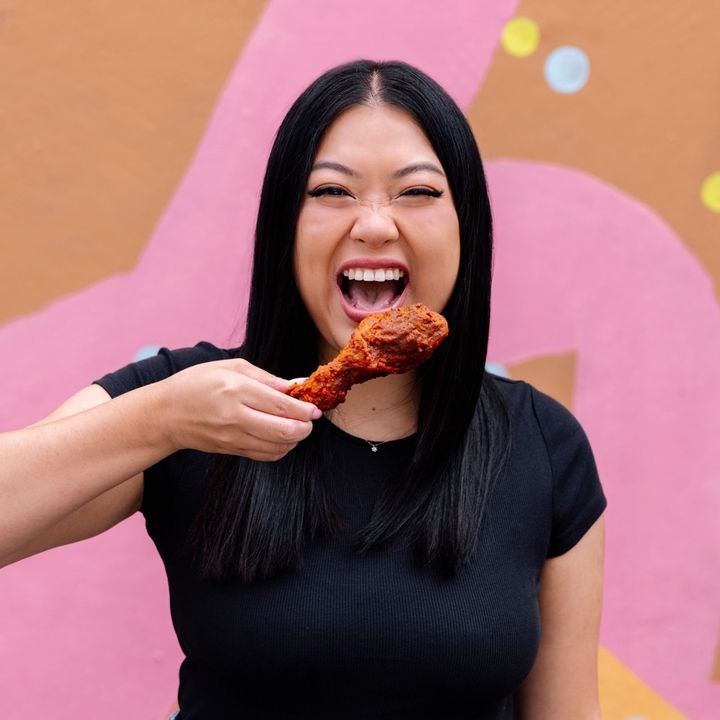
biteswithlily
A popular food creator sharing culinary experiences and mukbangs across New York City and Sydney.

Daniella Rahme
Australian-Lebanese actress and TV presenter, known for her role in Netflix's Franklin.

Cold Ones

Gotye
Wally De Backer, known professionally as Gotye, is a Belgian-Australian multi-instrumentalist, singer, and songwriter.

HeyImBee
A prominent Australian gaming personality known for her engaging VR Chat content and charismatic commentary.

Bread Boys
Australian comedians making short, absurd sketches featuring two loafs of bread.

Alycia Debnam-Carey
Comedy & entertainment creator in Australia

Bella Fiori
An Australian creator renowned for her engaging true crime storytelling and diverse lifestyle content.

Eliza Taylor
Australian actor and filmmaker, known for her roles in 'The 100' and 'Neighbours'.

Chloe Morello
Australian beauty and lifestyle content creator sharing makeup tutorials, tips, and life updates.

Emily Skye
Australian fitness expert, entrepreneur, and advocate for mental health and body image.

Ellyse Perry
Australian cricketer and footballer, renowned for her all-round athletic prowess.

Amelia May Alcock
An Australian actress who gained international recognition for her role in a major fantasy television series.

Dim Sim Lim
The 'Wolf of Wok Street' shares his culinary adventures and skills from Los Angeles and Sydney.

Cooking with Ayeh
Ayeh Far shares accessible, healthy, and vibrant recipes designed for everyday home cooking.
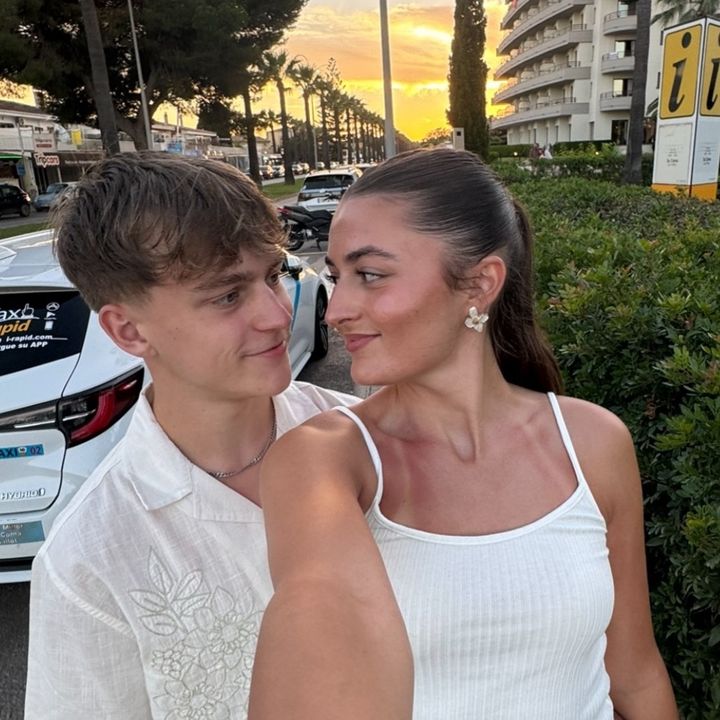
Ella & Benn
Australian couple Ella and Benn share their relationship and everyday adventures with a comedic twist.

Adelaide Kane
Comedy creator in Australia

Adut Akech Bior
A globally recognized supermodel, humanitarian, and mother, making an impact on and off the runway.

Chef Jack Ovens
A professional chef delivering high-protein meal prep and flavor-focused recipes with simplicity.
Compare sponsorship proposals without inventing a rate card
There is no useful universal sponsorship price for Melbourne influencers. A proposal depends on the creator, the work, the publication commitment, usage rights, production demands and commercial restrictions. Buyers get a better answer to “What will this cost?” by defining a comparable scope than by seeking an unsupported average. Request written proposals against the same core brief, with optional items shown separately.
Mixed product-and-service campaigns make this especially important. Shipping and demonstration time are different from appointment coordination and service familiarisation. A short finished video can still require substantial preparation. Likewise, a published placement includes an obligation distinct from the work of producing the file. Make these differences visible so that a lower total is not mistaken for better value when it covers materially less work.
| Proposal component | What should be explicit | Why it changes comparability |
|---|---|---|
| Creative production | Concepts, deliverables, versions and technical requirements | Defines the amount and complexity of work |
| Creator publication | Channel, format, timing and agreed live period | Separates distribution from asset creation |
| Product or service preparation | Shipping, setup, familiarisation and appointments | Exposes dependencies and preparation effort |
| Usage rights | Channels, duration, territory and paid-use permissions | Determines what the buyer can do after delivery |
| Revisions and changes | Included review scope and additional-work process | Prevents different assumptions about rework |
| Restrictions | Exclusivity category, duration and other limitations | Identifies obligations beyond the deliverables |
Evaluate the full proposed purchase rather than a single cost-per-post figure. If one creator offers a more useful demonstration but a narrower licence, compare that against your actual needs. If another includes formats you will not use, do not count them as automatic value. The strongest proposal is the one that supports the objective with a manageable delivery risk and a clear commercial scope.
Ask how changes will be handled when a product arrives late, an account fails, an appointment moves or the buyer changes the approved offer. A written change process protects both sides from treating new work as an informal favour. Specify who can authorise extra scope and require confirmation before that work begins.
Keep negotiation focused on trade-offs. A buyer can reduce versions, narrow usage, adjust timing or remove unnecessary exclusivity rather than asking for the same package at an unexplained discount. Preserve requirements essential to accuracy and customer understanding. Cutting the demonstration that makes a product comprehensible may save production effort while undermining the reason for buying the campaign.
Put separate evaluation criteria inside one shared campaign contract
A mixed campaign benefits from one shared contractual framework with clearly separated deliverable schedules. The product schedule can define demonstrations, physical handling and visual acceptance criteria. The service schedule can define access, process explanation and confidentiality requirements. Common terms then govern approvals, payment, disclosure responsibilities, rights, cancellation and change control. Where multiple creators are engaged, ensure the relevant parties are properly bound rather than assuming one signature covers the entire roster.
This structure avoids two common problems: forcing every creator into identical obligations, or managing unrelated agreements with incompatible approval and rights terms. The shared framework should make campaign governance consistent while allowing the actual work to differ. Have appropriate advisers review terms for the specific engagement; a procurement checklist is not a substitute for a contract suited to the parties and jurisdiction.
Define ownership and permission independently
Receiving a finished file does not by itself answer who owns it or how it can be used. State whether the agreement grants a licence or transfers specified rights, and describe the permitted activity. If the buyer wants to edit, crop, subtitle, combine or adapt the content, address that explicitly. Confirm the treatment of raw footage rather than assuming it is included.
- Deliverables: identify the product or service workstream, format, quantity and acceptance criteria.
- Publication: identify who posts, where, when and for how long the placement must remain available.
- Usage: define channels, duration, territory and any paid-media or creator-identity permissions.
- Approvals: name decision-makers, response windows and the permitted revision process.
- Dependencies: allocate responsibility for products, accounts, appointments, access and approved claims.
- Exceptions: define cancellation, rescheduling, material changes and remedy procedures.
Rights need operational owners. Someone must know when a licence expires, where the asset has been deployed and whether a new use needs permission. Record restrictions alongside the delivered files so an asset does not become detached from its terms when passed between teams. If music, imagery or other third-party material appears, confirm permissions suitable for the intended use rather than assuming a creator’s publication rights extend to brand advertising.
Disclosure responsibilities should also be explicit. Agree who checks the applicable platform and advertising requirements, how sponsorship will be identified and who verifies the final publication. Do not leave this until the upload stage.
Finally, distinguish acceptance from guaranteed performance. Buyers can require accurate information, agreed files and compliant publication obligations. They should not treat a forecast as a guaranteed sales outcome unless an express, workable commercial arrangement says otherwise. Clear acceptance criteria let the buyer enforce what was actually purchased while preserving the creator’s legitimate role in shaping the content.
Choose one buying path and assign the hiring responsibilities
CreatorFanBase offers two distinct purchase paths: discovery subscriptions for buyers who will run their own outreach and procurement, and CFB Agency as a separate quoted managed service. Choose based on who will perform the work, not simply on how many candidates you want to review. A small campaign can have complex coordination needs, while an experienced team may manage a broader roster internally.
With a discovery subscription, buyers can use country, category, platform, language and follower filters, build shortlists and export CSV files. These tools support candidate organisation; they do not replace audience validation, availability checks or agreement on a specific brief. Start with relevant stored-city matches, then use Search Australia campaign candidates to broaden the pool. That search filters by country only, so assess Melbourne relevance separately.
Use Choose a creator discovery plan when your team is prepared to own creator outreach and the subsequent buying decisions. Before choosing, identify who will maintain the shortlist, request evidence, compare proposals and track responses. A well-organised export becomes more useful when each candidate has an owner, a status and a clearly defined next action.
CFB Agency is a separate managed service that contacts creators, checks availability and negotiates. Agency work is custom quote only, with written terms per brief; there is no fixed fee or percentage to assume. Use Get a Melbourne campaign quote to discuss a managed brief. Confirm the specific scope, responsibilities and commercial terms in writing rather than assuming that every production, contracting or reporting task is included.
- The buyer owns the business objective, offer accuracy, budget authority and internal approvals.
- The person managing outreach owns clear communications, evidence requests and proposal tracking.
- The agreed contracting lead owns completion of terms and confirmation of authorised parties.
- The production lead owns dependencies, schedules and readiness checks.
- The measurement lead owns tracking setup, reporting requirements and interpretation.
For mixed product-and-service hiring, handovers deserve particular attention. The person approving a fashion demonstration may not be qualified to approve a technology claim or a service eligibility statement. Name the appropriate subject owner for each category while keeping one campaign decision-maker responsible for resolving conflicts.
Whichever path you select, prepare the same core materials: a category-separated brief, production requirements, publication expectations, intended usage and approval responsibilities. This reduces avoidable back-and-forth and makes it easier to obtain proposals that answer the real buying question rather than an incomplete request for a post.
Run production and publication as two connected schedules
Production readiness and publication readiness are not the same milestone. A product can be filmed before the destination page is complete, but publishing before that page is ready may waste the placement. A service script can be approved before access is confirmed, but the planned experience cannot be represented as completed until it has occurred. Maintain connected schedules so each dependency is visible without confusing asset delivery with audience distribution.
Begin with a readiness check for each workstream. Product work needs the correct item, current information, handling instructions and any required demonstration equipment. Service work needs confirmed access, an agreed experience scope, appropriate account permissions and a clear privacy plan. Both need approved claims, a named reviewer and a route for resolving questions quickly.
- Confirm the brief, deliverable schedule and rights before work begins.
- Verify that products, appointments, accounts and permissions are ready.
- Review a concept or outline against the information the customer needs.
- Check the draft for factual accuracy, required proof and confidential material.
- Approve the final asset and separately confirm publication readiness.
- Verify the live placement, links, disclosures and agreed reporting dates.
Use checkpoints to prevent expensive late changes, not to supervise every creative choice. A concept review can catch an unsuitable demonstration before filming. A factual review can catch an incorrect offer before editing is final. Neither should become an opportunity to replace the agreed brief without acknowledging a scope change.
Protect the difference between correction and redirection
A correction brings work into line with the agreed requirements: fixing an inaccurate statement, restoring a missing view or removing private information. Redirection introduces a new idea, offer or format. Define the difference in advance and route genuine changes through the written approval process. This keeps revisions proportionate and reduces uncertainty for both buyer and creator.
For Melbourne attendance-dependent work, confirm the actual production arrangement directly, including who is responsible for access and any necessary travel arrangements. For shipped products or remote services, record delivery and setup dependencies instead. The operational plan should follow the work, not a presumed relationship between a profile location and filming feasibility.
Publication checks should include the final customer destination. Test the agreed link, verify that the offer matches the content and confirm that the receiving team can handle enquiries. Once live, capture the placement details and note any material deviation promptly. A calm, documented exception process is more effective than discovering during reporting that the campaign ran with an incorrect destination or an unapproved version.
Report by buying objective, then scale what is repeatable
Reporting should explain whether the campaign performed its assigned jobs, not merely collect the largest available numbers. Keep product understanding, service consideration, audience delivery and business response distinguishable. A demonstration commissioned for brand use may be valuable without creator-published reach. A sponsored placement may deliver attention but reveal that the customer destination needs improvement. Interpret results against the original purchase rather than retrofitting a success story.
Agree the reporting fields before commissioning. For publication, request the available metrics relevant to the format and a clear reporting window. For brand-owned content, track delivery quality, usable versions and subsequent deployment separately from creator distribution. For customer actions, prepare suitable tracking and state its limitations. Do not attribute all sales during a campaign period to creator activity without supporting evidence.
- Delivery measures show whether the agreed assets and placements were supplied correctly.
- Audience measures describe the reported exposure and interactions for the purchased format.
- Action measures record attributable visits, enquiries, bookings or purchases where tracking supports them.
- Quality measures assess whether the content answered the intended customer question accurately.
- Operational measures identify delays, rework and dependencies that affected efficiency.
Compare like with like wherever possible. A food preparation video and a service onboarding explanation can share delivery standards while requiring different content-quality tests. Instagram, TikTok and YouTube results should retain their platform definitions rather than being merged into a single unexplained engagement score. Where evidence is incomplete, label the gap and avoid turning it into a negative conclusion about the creator.
Use a post-campaign review to separate creative learning from operational learning. Perhaps the product needed clearer scale views, the service needed a simpler explanation of eligibility, or the approval chain introduced avoidable delays. Each finding should lead to a specific change in the next brief. General statements such as “more authentic content” are less useful than identifying the unanswered customer question.
Repeat hiring should be conditional on current suitability. Recheck relevant audience evidence, availability, conflicts and commercial terms rather than assuming an earlier engagement remains valid indefinitely. Review the rights attached to existing assets before reusing them, and obtain any extension needed for a new campaign period or channel.
Scale in controlled increments. Expand a proven product demonstration approach into additional versions, or retain a service creator whose explanations were accurate and operationally reliable. Add categories only when the team can maintain appropriate review expertise. The aim is a repeatable Melbourne influencer buying programme: separate standards where the work differs, shared governance where consistency helps, and evidence strong enough to justify the next investment.
Questions about influencers in Melbourne
How should I start hiring Melbourne influencers for a mixed campaign?
Start by separating the product and service decisions your customers need to make. Define the required demonstrations, explanations, customer actions and production dependencies for each. Then establish shared approval, rights and reporting requirements. This gives candidates enough detail to propose relevant work and lets you compare their offers on a consistent basis.
Does a Melbourne city match confirm where a creator currently lives?
No. A stored city match is a catalogue association rather than current residence. Confirm the facts needed for your commission directly, including production location and attendance feasibility. A location label also does not establish audience geography, so customer coverage requires a separate evidence check.
Can Australia candidates still be relevant to a Melbourne campaign?
Yes, depending on the work and the audience evidence. Shipped-product demonstrations, remote service explanations and brand-owned asset production may not require local attendance. Australia candidates are not necessarily Melbourne-based, however. Assess their customer relevance and production feasibility independently rather than treating a country match as a confirmed city connection.
How much does a Melbourne influencer sponsorship cost?
Request a proposal against a defined scope rather than relying on a generic rate estimate. Cost can depend on production complexity, publication obligations, usage rights, revisions, exclusivity and logistical requirements. Compare these components explicitly, and ask candidates to separate optional additions so the total reflects work you actually need.
What makes a micro creator worth shortlisting?
Look for consistent category relevance, clear communication, useful audience evidence and responses that suggest genuine interest in the topic. Review whether the creator can perform the particular demonstration or explanation required. A smaller follower count does not automatically mean better engagement, stronger customer fit or more effective campaign delivery.
What audience evidence should a buyer request?
Ask for recent information relevant to the platform and placement being purchased, including geographic coverage where available and necessary. Record the reporting period and distinguish follower composition from reached audiences. Review content-level evidence alongside aggregate figures, and identify any limitations before making claims about likely customer reach or relevance.
Should I use Instagram, TikTok or YouTube?
Choose according to the customer question, the required depth and the candidate’s demonstrated channel strength. A concise demonstration may suit a different format from a detailed service walkthrough. Specify the exact placement and reporting requirements, and avoid assuming that a creator’s audience or performance transfers unchanged between platforms.
Can I commission content without asking the creator to publish it?
Yes, if the proposal and agreement define an asset-production engagement. Specify the files, formats, versions and permitted brand uses. Creator publication is a separate obligation and should not be implied. Likewise, receiving a file does not automatically grant unrestricted editing, paid advertising or perpetual reuse rights.
How should food campaign candidates be evaluated?
Assess whether they present preparation, serving context and relevant product information clearly. Check their ability to follow approved handling instructions and avoid unsupported claims. For a service or experience component, also examine how they explain the customer journey and distinguish what they personally encountered from information supplied by the business.
What should a fitness service brief include?
Define the experience the creator will actually undertake, the process customers need to understand and any eligibility or participation information that must be accurate. Separate an account of participation from claims about results. Clarify access, privacy, approvals and the next customer step before agreeing the creative treatment or filming schedule.
What matters most when commissioning fashion content?
Identify the product attributes customers need to judge, such as construction, movement or specific details. Explain whether fit commentary is permitted and what presentation limitations apply. Evaluate styling separately from demonstration quality so visually attractive content does not receive credit for essential information that it never actually makes visible.
How should technology products and services be briefed differently?
A technology product may require visible operating steps, interfaces or setup details. A technology service may require onboarding, eligibility and workflow explanation. Both need approved claims and appropriate account permissions. Define the demonstration conditions, protect confidential information and avoid presenting a shown feature as proof of an unsupported business outcome.
What is a scale-and-detail capture ruler?
It is a shot specification for making physical attributes understandable. A wide view establishes context, a hand-held view communicates scale and a macro view reveals surface detail or finish. Use it when relevant, especially for small objects, so decorative styling does not prevent customers from judging the product itself.
Can product and service deliverables share one contract?
They can share a contractual framework while retaining separate schedules and acceptance criteria. Product work may require visual proof; service work may require accurate process explanation and privacy safeguards. Align shared terms for approvals, rights and changes, and ensure each relevant party is properly bound to its own obligations.
Which content rights should be agreed before production?
Specify permitted channels, duration, territory, paid-media use and any editing or adaptation permissions. Address raw footage and creator-identity permissions separately where relevant. Confirm that third-party materials are suitable for the intended use. Keep the rights record with the delivered assets so later teams can check restrictions before reuse.
How should exclusivity be handled?
Define the restricted category, the duration and the activities covered instead of requesting vague exclusivity. Ask whether the restriction affects existing commitments and have its commercial implications reflected in the proposal. Limit the restriction to what the campaign genuinely needs, with written clarification of ambiguous competitors or product categories.
Who should approve creator content?
Name one campaign decision-maker and the subject owners needed for factual review. Product claims, service eligibility and technical demonstrations may need different expertise. Consolidate feedback before sending it to the creator, use agreed response windows and distinguish corrections against the brief from requests that introduce new scope or direction.
What happens if a product or appointment is delayed?
Follow the agreed dependency and change process. Establish who communicates the delay, whether production or publication dates must move, and how additional work is authorised. Do not assume a creator can absorb rescheduling without consequences. Confirm the revised scope and timing in writing before the affected work resumes.
How many revisions should a campaign include?
Agree the revision scope based on the complexity of the deliverables rather than assuming an unlimited process. Define review stages, consolidated feedback and what counts as a correction. A new offer, format or creative direction may require additional work, while missing an agreed requirement should be addressed through the acceptance process.
Which campaign metrics are most useful?
Use measures tied to the purchased job: delivery compliance, relevant audience exposure, content quality and attributable customer actions where tracking supports them. Keep platform definitions visible and distinguish creator distribution from brand-owned asset performance. Reporting should explain what happened and what remains uncertain, not simply highlight the largest available number.
Can influencer sales results be guaranteed?
Do not treat forecasts or previous results as guarantees. Sales depend on factors including the offer, customer destination, measurement and delivery conditions. Define enforceable content and publication obligations, then agree realistic reporting. Any performance-based commercial arrangement needs explicit terms that explain attribution, responsibilities and how the outcome will be assessed.
When should I rehire a creator for another campaign?
Rehire when the evidence supports continued category fit, useful communication and reliable delivery. Review what should change in the next brief, then reconfirm availability, audience relevance, conflicts and terms. Check existing asset rights separately; a successful earlier engagement does not automatically authorise new publication, additional channels or extended reuse.
Influencers in other cities
- Influencers in Dubai
- Influencers in New York
- Influencers in Mumbai
- Influencers in Miami
- Influencers in Bangalore
- Influencers in Delhi
- Influencers in Chicago
- Influencers in London
- Influencers in San Diego
- Influencers in Dallas
- Influencers in Manchester
- Influencers in Hyderabad
- Influencers in Pune
- Influencers in Nashville
- Influencers in Los Angeles
- Influencers in Austin
- Influencers in Atlanta
- Influencers in Houston
- Influencers in Las Vegas
- Influencers in Chennai
- Influencers in Riyadh
- Influencers in Abu Dhabi
- Influencers in Singapore
- Influencers in Boston
- Influencers in Toronto
- Influencers in Sydney
- Influencers in Seattle
- Influencers in Vancouver
- Influencers in Philadelphia
- Influencers in Washington DC
- Influencers in Detroit
- Influencers in Minneapolis
- Influencers in Baltimore
- Influencers in Pittsburgh
- Influencers in Edinburgh
- Influencers in Glasgow
- Influencers in Leeds
- Influencers in Denver
- Influencers in San Francisco
- Influencers in Orlando
- Influencers in Liverpool
- Influencers in Phoenix
- Influencers in Portland
- Influencers in Columbus
- Influencers in Cleveland
- Influencers in Indianapolis
- Influencers in Charlotte
- Influencers in Raleigh
- Influencers in Tampa
- Influencers in Sacramento
- Influencers in Salt Lake City
- Influencers in San Antonio
- Influencers in Birmingham
- Influencers in Bristol
- Influencers in Nottingham
- Influencers in Sheffield
- Influencers in Newcastle
- Influencers in Cardiff
- Influencers in Belfast
- Influencers in Calgary
- Influencers in Ottawa