
Influencers in Glasgow
Campaign niches in Glasgow
1. Begin with Glasgow’s street-scene appeal—and decide what must remain visible
A useful Glasgow creator brief starts with a creative tension rather than a follower threshold: how much should the setting contribute, and how clearly must the product, service or destination message register? The Visit Glasgow introduction describes “vibrant streets, welcoming locals and a spirit that makes it truly unique.” That is tourism positioning, not evidence about individual creators. For buyers, however, it provides a legitimate starting point for discussing the balance between an expressive street scene and an unmistakable commercial message.
Street-scene creative can help a campaign feel situated rather than interchangeable. It can also compete with packaging, a booking instruction or a product demonstration. Before reviewing profiles, decide which element should command attention in the opening, what the viewer must understand by the middle, and what action should be possible at the end. A creator with compelling environmental footage is not automatically the strongest choice when a small product detail must be visible.
Make the setting earn its place
Treat the setting as a creative choice with a defined job. It might establish context, support a journey or create a contrast with a clean product close-up. If it does none of those things, more background detail may simply increase production complexity. The following are editorial campaign directions, not observations about existing Glasgow campaigns or creator supply.
Specify a legibility checkpoint
Ask shortlisted creators how they would make the offer understandable without depending on the caption. This can involve a spoken explanation, a controlled close-up or an on-screen instruction. Evaluate whether their existing work demonstrates that ability rather than asking for an unpaid finished concept.
Decide what cannot be lost in the scene
Name the single commercial element that must survive a fast viewing: the product identity, the venue proposition or the destination takeaway. That requirement becomes a practical review criterion for both the creator and the eventual edit.
| Creative emphasis | Useful buyer question | Evidence to request |
|---|---|---|
| Street scene first | Does the setting explain something relevant? | Existing work combining context and a clear message |
| Product first | Can viewers identify the item and its function? | Close-ups, demonstrations and readable framing |
| Balanced sequence | Is the transition from atmosphere to offer coherent? | Examples with a clear narrative handover |
This first decision prevents an attractive but unsuitable shortlist. It also keeps the hub cross-category: the same question applies whether the offer is a visit, a physical product or a destination story. Specialist category requirements should sit in the relevant campaign brief, while this overview establishes the hiring decisions shared across them.
2. Follow an objective-to-shortlist decision tree
Do not use one definition of a good Glasgow influencer for every commercial objective. Venue footfall, ecommerce sales and destination content require different evidence, different production assumptions and different measures of success. Choose the primary branch before opening a shortlist. A secondary objective can remain in the brief, but it should not quietly replace the primary outcome when results arrive.
- If success means people attending a venue, follow the footfall branch. Prioritise practical attendance, audience relevance to the visit and a credible explanation of why someone should go. Ask how the creator would communicate the visit instruction and how the buyer will distinguish interest from attendance.
- If success means online purchases, follow the ecommerce branch. Prioritise product demonstration, audience-product fit and a trackable purchase journey. A Glasgow connection can contribute to the creative, but it should not outweigh evidence that the creator can explain the offer clearly.
- If success means building a destination content library or generating destination interest, follow the destination branch. Prioritise storytelling, usable footage, coverage requirements and licensing. Decide whether you are buying distribution, assets or both before judging the creator’s suitability.
Each branch leads to a different shortlist rationale. A footfall candidate might be retained because their audience evidence and attendance plan support a visit-led campaign. An ecommerce candidate might be retained because their demonstrations answer purchase objections. A destination candidate might be retained because their visual work and delivery process fit the intended asset library. These are selection criteria, not claims that any particular candidates are available.
| Objective branch | Shortlist priority | Important verification | Measurement direction |
|---|---|---|---|
| Venue footfall | Relevant audience and a workable visit | Attendance feasibility and venue approval | Agreed visit or redemption signals |
| Ecommerce sales | Product explanation and purchase relevance | Tracking setup and supportable claims | Attributed orders and conversion context |
| Destination content | Storytelling and reusable assets | Coverage, access and usage scope | Asset acceptance and agreed distribution signals |
A mixed brief needs an explicit hierarchy. If a creator is expected to attend a venue, demonstrate a product and produce evergreen destination footage, identify which deliverable is essential and which can be reduced if production time tightens. Otherwise, bidders may price materially different jobs while appearing to answer the same request.
Use rejection reasons that follow the branch. “Audience geography not evidenced” is meaningful for a visit-led brief; “product explanation remains unclear” is meaningful for ecommerce. “Not local enough” is too vague unless the buyer has defined what locality must accomplish. This decision tree makes the shortlist auditable and gives stakeholders a shared basis for accepting a wider UK candidate when appropriate.
3. Read the city match as a discovery signal, not a completed location check
The listing order should start with stored-city matches and then widen to UK candidates. Preserve that distinction throughout selection. A stored Glasgow city value may reflect historical origin or past residence rather than current residence, current production location or the feasibility of attending your booking. A UK fallback candidate is not necessarily Glasgow-based. Neither label establishes where followers live.
This does not make city data useless. It makes it an efficient starting point rather than a substitute for campaign-specific verification. A buyer commissioning location-led work can review city matches first, then test whether the candidate’s present circumstances fit the actual job. A remote product campaign can broaden sooner if audience and creative suitability matter more than an in-person connection.
- Keep separate shortlist fields for listing provenance, confirmed production location and audience evidence. Combining them into a single “local” column hides important differences.
- Mark a stored-city match as such until current details are confirmed. Do not rewrite it as “Glasgow resident” in an internal presentation without supporting information.
- Label wider UK candidates clearly. Compare their relevance and operational requirements without implying that they belong to the city-matched group.
- Ask only for location information needed to commission the work. A practical attendance confirmation is usually more useful than unnecessary personal address detail.
Audience verification should answer the campaign’s real geographic question. For venue footfall, the issue is whether the audience can plausibly act on the invitation, not whether the creator once lived in Glasgow. For ecommerce, a broader audience may be appropriate if fulfilment and the offer support it. For destination content, the buyer may principally need useful assets rather than a geographically concentrated following.
Request available audience analytics with enough context to interpret them: the platform, the reporting period and the meaning of the location breakdown. Aggregate platform insights can inform a decision without proving that every viewer lives in a particular place. If city-level detail is unavailable, record the limitation and decide whether other evidence is sufficient for the objective.
4. Test micro creators on commercial clarity rather than smallness alone
Micro creator selection is most useful when it describes a buying strategy, not an assumed guarantee of intimacy or performance. Define the follower range that your team intends to consider, then evaluate the work inside it. A smaller account can offer a strong explanation of a product or a distinctive way of telling a story, but size alone does not establish attention, trust, audience geography or purchasing intent.
For the Glasgow street-scene versus product-legibility brief, look for evidence that the creator can control emphasis. Review whether the subject remains understandable when the background is visually active. Check whether spoken delivery, framing and editing support the commercial message. A creator whose strongest work is atmospheric may still be a good destination-content choice while being less suitable for a detailed ecommerce demonstration.
Build the review around a representative sample rather than one unusually successful post. Include ordinary recent output and, where available, disclosed commercial work. Compare similar formats: a short video should not be treated as equivalent to a long-form explanation merely because both involve the same category. Note what the creator actually did well, such as identifying a problem clearly or showing a product in use.
| Review dimension | Stronger evidence | Weak substitute |
|---|---|---|
| Message clarity | The offer is understandable within the content | A polished thumbnail alone |
| Audience response | Relevant questions and substantive discussion | Comment volume without context |
| Commercial handling | Clear integration without unsupported assertions | Assuming organic style guarantees sales |
| Production consistency | Repeatable execution across suitable examples | One exceptional piece of work |
| Brief compatibility | A credible approach to your required deliverable | Follower size used as the whole rationale |
A sensible micro creator shortlist can include different strengths. One candidate might be retained for presenter-led explanations, another for carefully controlled visuals, and another for a useful balance between setting and subject. Avoid making them compete on an undefined overall “quality” score. Weight the dimensions against the objective selected earlier and record why each person remains under consideration.
Before appointment, ask how the creator prefers to receive feedback and how they handle factual corrections. Smaller scale does not remove the need for a workable review process. Equally, do not turn selection into a request for extensive unpaid production. Existing examples, a concise approach note and a focused conversation can establish fit before a detailed paid scope is agreed. The aim is to select an appropriate collaborator, not to extract a speculative campaign.
5. Choose distribution around the viewing job
Instagram, TikTok and YouTube should be considered as distribution environments, not interchangeable labels on the same deliverable. Ask what the viewer needs to do: recognise an offer quickly, understand a demonstration, follow a longer explanation or revisit useful information. Then assess the candidate’s evidence on the intended platform and format. Success elsewhere can be relevant, but it should not automatically determine the buying decision.
Instagram may suit a brief built around a defined mix of feed, short-video and story-style communication, provided the creator can deliver the requested formats. TikTok may suit a brief that benefits from a direct, quickly understandable premise and a creator’s established presentation style. YouTube can accommodate both short and longer treatments, allowing buyers to choose between concise communication and a fuller explanation. None of those options guarantees reach, clicks or sales.
- For a fast product reveal, prioritise an opening that identifies the item and makes the benefit understandable. Do not let a location montage consume the entire setup.
- For a visit-led invitation, give the practical action enough space. Confirm which information belongs in the video, supporting copy and destination page.
- For a deeper explanation, assess whether the creator can sustain a useful structure rather than simply extending a short concept.
- For reusable assets, specify clean versions and technical requirements only where needed. Distribution deliverables and editing assets are different purchases.
A cross-platform package should have a reason beyond increasing the deliverable count. If the same core footage is used more than once, define how the opening, pacing, captions and call to action will adapt. A video that depends on one platform’s interface or interaction pattern may need changes before it works elsewhere. Confirm who performs those changes and who approves them.
Evaluate metrics within their context. Views, reach, watch time, clicks and conversions describe different parts of the journey, and platform definitions can differ. Ask for the metric that supports your objective rather than selecting whichever number is largest. Where a creator offers prior performance information, distinguish their organic posts from paid distribution and identify the relevant format.
For this hub’s cross-category purpose, stop at platform selection and deliverable logic. A detailed specialist brief can then address the particular product, service or content discipline. Use the creator option comparison page as a separate comparison step where helpful; do not assume that a broad platform choice settles the specialist production requirements. The buyer still needs a clear statement of what will be published, where it will appear and what action it is intended to support.
More the UK creators for Glasgow campaigns

Adele
Record-breaking British singer

ANNE-MARIE
Chart-topping British singer-songwriter known for pop and electronic music.

Ali-A
Call of Duty and Fortnite creator

Arun Maini
Tech creator in United Kingdom

Anthony Joshua
British Olympic gold medalist and two-time world heavyweight boxing champion.

Atif Aslam
Pakistani playback singer and actor, known for his vocal belting technique.

Amy Jackson Westwick
British actress, mother to Andreas and Oscar.

Adekunle Gold
Nigerian singer, songwriter, and graphic designer known for his 'urban highlife' sound.

Anya Taylor-Joy
Actress known for The Queen's Gambit, The Witch and Furiosa: A Mad Max Saga.

Angelababy
Actress, model, and businesswoman known for her dynamic career in China and beyond.

Ant & Dec
Award-winning British television presenting duo and comedians.

Alejandro Garnacho
Professional footballer for Manchester United and the Argentina national team.

Arctic Monkeys
Arctic Monkeys are an English rock band formed in Sheffield in 2002.

Andrew Hozier-Byrne
Irish musician, singer, and songwriter known for hit songs like 'Take Me to Church'.

Ali Abdaal
Doctor turned productivity educator

Alfie Deyes
A British content creator, entrepreneur, and father sharing aspects of his life and ventures.
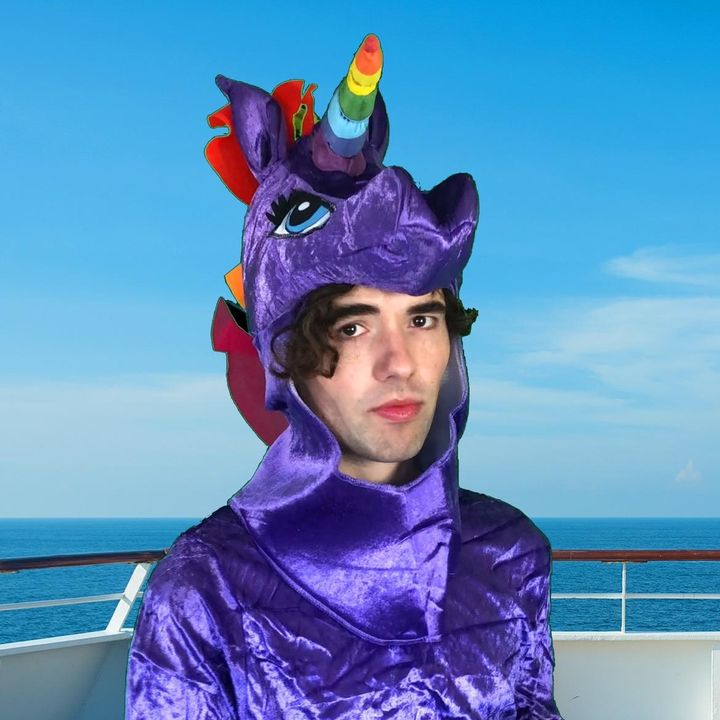
Adrian Bliss
Adrian Bliss is a British comedic creator known for his unique, witty sketches that frequently break the fourth wall.

Andrei Deiu'
Professional bodybuilder, Olympian, and fitness model.

Alexa Chung
Fashion icon, model, television presenter, and designer known for her distinctive style.

Andrae Hugh Sutherland
Jamaican dancehall artist known for 'Family' and 'Silence'.

Alex Albon
Thai-British Formula 1 driver for Williams Racing, known for his racing career.

Alex Oxlade-Chamberlain
Professional footballer for Celtic FC and former Arsenal & Liverpool midfielder.

Amanda Holden
Judge on Britain's Got Talent, host of the UK's biggest commercial breakfast show.

Aitch
Aitch is a British rapper known for his energetic flow and relatable lyrics, achieving significant success with his chart-topping hits.

Amber Rose Gill
Love Island winner turned media personality and beauty entrepreneur.

Alison Hammond
BAFTA-nominated TV Presenter and Broadcaster known for her joyful personality.

Amelia Dimoldenberg
Journalist and comedian best known for her viral 'Chicken Shop Date' series.

Aimee Lou Wood
Award-winning English actress, known for her role as Aimee Gibbs in 'Sex Education'.

Alex Scott MBE
Former Arsenal and England footballer, now a prominent sports broadcaster and presenter.

Alan Carr
British stand-up comedian and television presenter known for his chat shows and wit.

Alex Zinchenko
Professional footballer for Arsenal and captain of the Ukraine national team.

Andy Murray
Professional tennis player and former world No. 1.

AnEsonGib
Professional boxer and YouTube entertainer known for his gaming content and high-profile fights.

Aj Shabeel
This British YouTuber is known for his chaotic and often absurd video concepts, engaging viewers with his unique brand of humour.

Armeena Khan
Award-winning actress and human rights advocate residing in the UK.

Abi Clarke
UK-based comedy creator on Instagram

Ashens
Witty British humor and reviews of terrible products, from food to electronics.

Alex Iwobi
Professional footballer for Fulham FC and the Nigeria national team.

Alicia Breuer
Alicia Breuer is a British TikTok content creator known for her relatable short-form comedy sketches.

Arvid Lindblad
British racing driver and F1 driver for Visa Cash App RB.
6. Turn the chosen objective into an executable campaign
A campaign concept becomes commissionable when it states what happens on screen, what the audience should understand and what the production depends on. Keep the Glasgow setting purposeful without inventing a location-specific narrative that the evidence does not support. The concepts below are editorial recommendations for buyers to adapt, not reports of observed local campaigns, available creators or authorised filming opportunities.
For venue footfall, consider an arrival-to-reason-to-visit structure. Establish enough context to orient the viewer, explain the venue proposition, then deliver the agreed next step. The buyer must supply accurate venue information and arrange current permission for the proposed activity. The creator should not be expected to infer access rights from the existence of public-facing tourism material.
For ecommerce, consider an environment-to-detail structure. Begin with contextual footage only if it helps introduce the use case, then move into controlled shots that make the product legible. The buyer supplies substantiated product information and identifies prohibited or unapproved claims. The creator proposes an explanation in their own voice within those boundaries.
For destination content, consider a scene-to-theme structure. Each piece should communicate a specific editorial idea rather than serve as an undirected collection of attractive footage. Agree the coverage requirements and intended asset uses before production. A content library brief needs an acceptance standard for usable material, not just an instruction to capture as much as possible.
- Write a one-sentence outcome and identify the primary audience action. This keeps the concept from expanding into unrelated tasks.
- Separate essential shots or information from optional creative choices. Explain the reason behind each essential requirement.
- Assign dependencies to named roles: access confirmation, product delivery, factual approval, filming, editing and publication.
- Agree a fallback that preserves the objective if an access or production dependency changes. The alternative must have its own approvals rather than borrowing permission from the original plan.
- Define what counts as complete, including deliverables, review stages and reporting. Avoid leaving acceptance to a general impression after publication.
Keep approval proportional to risk. A factual product explanation may need a different reviewer from a destination narrative, while a venue visit may require an operational contact as well as a marketing approver. Establish one consolidated feedback route so creators do not receive conflicting instructions.
An executable brief also protects creative value. When buyers identify what is fixed and what is flexible, creators can make informed suggestions without guessing where the boundaries lie. That is more useful than prescribing every line while simultaneously asking for an authentic voice.
7. Build the sponsorship cost question before requesting a quote
There is no source-supported rate estimate to attach to Glasgow influencers here. A useful sponsorship enquiry instead defines the work well enough for comparable quotations. Price can reflect the production task, published distribution, revisions, attendance, licensing, exclusivity and any additional operational requirements. Without those details, two totals may describe different purchases rather than different value for the same job.
Start by separating creator publication from asset production. A buyer asking for a video to appear on the creator’s account is not asking for precisely the same service as a buyer commissioning a video for brand channels. A combined arrangement needs both elements stated. Paid advertising permissions, editing permissions and longer usage periods should not be assumed to accompany either one.
Attendance can introduce practical costs that are absent from a remote brief. Ask how any travel or other agreed expenses will be handled and whether they are included in the proposed total. Do not infer that a stored-city match removes those costs. The relevant question is the candidate’s confirmed delivery plan for the actual booking.
- What deliverables and publication commitments are included in the quote, and what would be charged separately?
- Which usage rights, duration and territories does the quote cover? Does it include any paid media use?
- How many review stages are included, and what distinguishes a correction from a change of brief?
- Are agreed production expenses included, capped or subject to prior approval?
- What cancellation, postponement and payment conditions are proposed, and how are incomplete dependencies handled?
Normalise quotations before presenting them to stakeholders. Put the deliverables, rights and assumptions alongside the total rather than ranking candidates by headline price alone. A lower quote may be entirely suitable, but only if it includes what the campaign actually needs. A higher quote may include rights or production work that can be removed rather than accepted automatically.
Budget trade-offs should follow the original objective. For ecommerce, clearer demonstrations may be more valuable than additional scenic sequences. For footfall, a usable attendance message may matter more than a large collection of extra edits. For destination assets, a well-defined licence and organised delivery may be more valuable than an unnecessary publication commitment.
If the available budget cannot support the requested scope, reduce the scope explicitly. Choose fewer deliverables, a narrower rights package or a simpler production plan rather than relying on ambiguous expectations. This creates a fairer negotiation and makes the eventual agreement easier to administer.
8. Choose one purchasing path: discovery or separately managed outreach
CreatorFanBase offers discovery subscriptions with country, category, platform, language and follower filters, alongside shortlists and CSV exports. This path suits buyers who want to run their own search and retain responsibility for contacting candidates, confirming practical details and negotiating the commission. Discovery information supports selection; it does not complete the hiring process or guarantee a response.
Start with Search UK campaign candidates and apply the listing discipline described above: stored-city matches first, followed by clearly identified UK candidates. The country parameter in that link should not be mistaken for proof that every result is Glasgow-based. Use the available filters to narrow the commercial fit, then record the unresolved questions that matter to your objective.
Shortlists help organise candidates, while CSV exports can support your own review workflow. Decide which internal fields you need for evidence, approvals and follow-up rather than treating an exported row as a verified booking record. A useful handover distinguishes discovered information from facts confirmed directly during commissioning. It also makes clear who owns the next action.
Use Choose a creator discovery plan to review the current purchase options. Assess the plan against the research work your team actually expects to do. This overview does not assume prices, plan limits, free-profile access or identical capabilities across purchase options. Confirm the relevant terms before subscribing rather than building a process around an unverified entitlement.
CFB Agency is a separate, quoted managed service that contacts creators, checks availability and negotiates. It suits buyers who want those activities handled through a managed route rather than running the outreach themselves. Use Get a Glasgow campaign quote with a concise description of the objective, deliverables, location needs and intended rights. A quote request is not a reservation of creator availability.
- Choose discovery when your team can research, contact, evaluate and negotiate with candidates directly.
- Choose the separately quoted managed route when you want creator contact, availability checks and negotiation included in the service discussion.
- Before purchasing either route, identify the responsibilities that remain with your organisation, including factual claims, access decisions, approvals and measurement inputs.
These are alternative ways to organise procurement, not promises of identical scope or outcomes. Keep the decision operational: who has the time, authority and experience to move a shortlist into an agreed campaign? Answering that question prevents buyers from purchasing discovery while expecting managed outreach, or requesting management without supplying the information needed for a meaningful quote.
9. Allocate access, claims and content rights before production
A Glasgow campaign can involve several different permissions, and none should be collapsed into a general statement that the content is approved. Permission to attend a venue, permission to film particular activity, permission to publish the resulting material and permission to reuse it in advertising can involve different decisions. Confirm current venue rights separately with the relevant party for the actual scope of work.
Tourism context does not establish commercial filming permission, creator residence or product claims. The practical response is not to overload the brief with warnings; it is to assign each unresolved issue to someone who can answer it. If access is essential, make its confirmation a production dependency. If a claim is essential, obtain the supporting material before the creator scripts it.
The buyer should identify the factual statements it wants communicated and supply appropriate substantiation. The creator should understand which statements are approved, which require review and where personal opinion must not become an unsupported assertion. Where specialist advice is needed, obtain it from the appropriate adviser rather than treating a content approval as a substitute.
Rights discussions should distinguish the published creator post from the underlying content files. Agree the channels, duration, territory and permitted uses for any brand licence. Specify whether paid advertising, changes to the edit, cropping, subtitles or further versions are allowed. Raw footage and project files should be discussed separately if required; their inclusion should never be inferred from receipt of a finished video.
| Responsibility area | Buyer decision | Confirmation to obtain |
|---|---|---|
| Venue access | What activity and space the brief requires | Current approval for the proposed production |
| Product statements | Which claims are necessary and supportable | Approved facts and review ownership |
| Publication | Where and how the content will appear | Agreed deliverables and disclosure process |
| Reuse | Which later uses the business needs | Written licence scope and restrictions |
| Changes | Who can request or make alterations | Review stages and change-control terms |
Exclusivity should be precise enough for both sides to understand. Define the relevant category, period and restrictions rather than using a broad phrase such as “no competitors” without explanation. The creator needs to understand the commercial constraint; the buyer needs to know what protection it is actually purchasing.
Finally, align rights with the campaign’s operating plan. If a destination asset is intended for later reuse, the licence should support that use. If an ecommerce video will remain only on the creator’s account, avoid negotiating unnecessary rights by default. Clear scope protects the buyer’s intended activity while avoiding accidental overreach.
10. Close the loop with acceptance criteria and useful evidence
The final hiring decision should connect the initial objective to a specific evidence plan. Do not wait until content is live to decide what counts as success. A venue-footfall campaign, an ecommerce campaign and a destination-content commission can all generate views, but views alone do not resolve whether the buyer achieved the intended outcome. Set the measurement approach while the deliverables and access conditions are still being agreed.
For venue footfall, identify the signals you can realistically observe, such as an agreed redemption mechanism or a booking pathway. Decide how operational staff will record those signals and what cannot be attributed confidently. Avoid treating every change in venue activity as creator-driven. Other influences may exist, and the campaign report should acknowledge the limits of the measurement design.
For ecommerce, test the destination page, tracking links and any agreed codes before publication. Confirm that the product information and purchase path are consistent with the content. Interpret attributed orders alongside relevant context, including the measurement window and any gaps in tracking. Clicks can reveal interest, but they should not be presented as completed purchases.
For destination content, separate asset acceptance from distribution performance. The buyer may receive useful, properly licensed material even when public engagement is not the primary goal. Conversely, a well-viewed post may fail an asset brief if the necessary coverage or file requirements are missing. Define the deliverable checks so those two outcomes are not confused.
Use a pre-publication review to confirm the essentials: factual accuracy, product visibility, correct instructions, required disclosure handling and agreed branding. Keep subjective preferences distinct from genuine errors. If the buyer changes the objective after approving the concept, handle that as a scope discussion rather than disguising it as a routine correction.
After delivery, record what the evidence supports and what remains uncertain. Capture whether the street-scene approach helped explain the offer, whether the product stayed legible and whether the chosen format supported the audience action. These observations can improve the next brief without claiming a universal lesson from one commission.
A useful final shortlist note therefore contains a reason to hire, the evidence behind it, unresolved dependencies and a clear next step. It should show whether the candidate came from the stored-city group or the wider UK pool without using either label as a proxy for performance. That closes the decision loop: the buyer selects a creator because the proposed work fits the objective, the operational conditions are workable and the agreement defines what will actually be delivered.
Questions about influencers in Glasgow
How should I start hiring Glasgow influencers?
Start by choosing between venue footfall, ecommerce sales and destination content as the primary outcome. Review stored-city matches first, then widen to UK candidates when appropriate. Assess creative evidence, audience relevance and delivery feasibility separately, and prepare a clear scope before asking candidates to confirm interest and quote.
Does a Glasgow city tag confirm current residence?
No. A stored city may reflect historical origin or past residence rather than where the creator currently lives or works. Treat it as a discovery signal. For an attendance-based brief, confirm the practical production location and ability to attend the proposed booking without requesting unnecessary personal address information.
Are UK fallback candidates Glasgow-based?
Not necessarily. UK candidates are a wider discovery pool and should remain clearly distinguished from stored-city matches. They may still suit the campaign if their audience, creative approach and delivery arrangements fit. Confirm any attendance requirements directly rather than assuming that country-level inclusion makes local production straightforward.
How can I check whether a creator reaches a Glasgow audience?
Request available platform audience insights and clarify the reporting period and geographic breakdown. A creator’s city tag does not establish follower location. If city-level information is unavailable, record that limitation and assess whether the remaining evidence is sufficient for the campaign, especially when the objective requires people to attend.
What makes a micro creator suitable for this brief?
Look for clear communication, relevant audience responses and consistent execution in the format you intend to buy. Define your own follower range rather than treating “micro” as a performance promise. For this creative angle, assess whether the creator can retain environmental character while keeping the product or instruction understandable.
Should I choose Instagram, TikTok or YouTube?
Choose according to the viewing task and the creator’s evidence in the intended format. A quick reveal, a visit invitation and a detailed explanation need different structures. Compare relevant examples on each platform, and specify publication commitments rather than assuming the same video will work equally well everywhere.
How much does a Glasgow influencer sponsorship cost?
There is no supported rate estimate in this hub. Request a quote against defined deliverables, publication commitments, production needs, revisions and rights. Ask whether attendance expenses and paid usage are included. Compare the underlying scope alongside the total so that apparently different prices are not actually different purchases.
What should a sponsorship quote include?
Ask for the deliverables, publication locations, review stages, usage rights, expenses and payment conditions to be stated clearly. Include any exclusivity or cancellation requirements in the discussion. The objective is a quote that another stakeholder can understand without guessing what production work or later content use is covered.
When should a venue-footfall campaign use local audience evidence?
Whenever the intended action requires people to attend, audience relevance to that visit should be part of selection. Creator location alone is insufficient. Combine available geographic insights with a clear invitation and a practical measurement method, while recognising that audience information does not guarantee attendance or attributable visits.
Can a wider UK creator suit a Glasgow ecommerce campaign?
Yes, if the audience-product fit, creative execution and fulfilment context support the objective. A city connection can contribute to the story without being the main selection criterion. Confirm whether Glasgow production is genuinely necessary; a remote demonstration may suit the commercial task better than an unnecessary attendance requirement.
What should a destination-content brief prioritise?
Prioritise the story, required coverage, usable deliverables and licensing. Decide whether you need creator-account distribution, assets for your own channels or both. Establish access requirements and acceptance criteria before production, so the commission is judged against a useful content plan rather than an undefined request for attractive footage.
How do I balance street scenes with product visibility?
Give the setting a defined role, such as establishing context, then identify the point where the product must become unmistakable. Request examples of controlled framing and clear explanations. A planned transition into a close-up can preserve atmosphere without allowing background detail to overwhelm the commercial message or instruction.
Does Visit Glasgow establish permission to film commercially?
No. The supplied tourism introduction describes the city’s appeal; it does not establish filming rights or access to any venue. Confirm current permissions for the specific production separately with the relevant party. Include access confirmation as an explicit dependency rather than assuming it follows from tourism promotion.
Who is responsible for product claims in the brief?
The buyer should supply the factual statements it wants communicated and the supporting material needed to review them. Agree which claims are approved and who handles corrections. Creators should not be asked to turn unsupported assertions into endorsements, and specialist questions may require appropriate advice beyond ordinary creative approval.
What content rights should I agree before booking?
Specify the permitted channels, duration, territory and uses of the content. Discuss paid advertising, editing, alternative versions and raw files separately where relevant. Distinguish the creator’s publication commitment from any licence for your business to reuse the work; neither should be assumed to include the other automatically.
Can I run a creator’s video as a paid advert?
Only if the agreed permissions cover that use. Discuss paid distribution before booking, including the relevant channels, period and any editing requirements. Do not assume that permission to repost a video or receive a finished file also authorises advertising. Record the agreed scope in the campaign documentation.
How many revisions should the campaign include?
Agree review stages according to the scope rather than assuming unlimited changes. Separate factual corrections from new creative directions or additional deliverables. Give consolidated feedback through one approval route, and explain how changes to an already approved brief will affect the production schedule and commercial agreement.
How should I compare creators with different strengths?
Weight the review criteria against your primary objective. A strong presenter, a careful product demonstrator and an atmospheric storyteller may each suit different jobs. Record the reason for retaining each candidate, then compare equivalent deliverables and evidence rather than collapsing every strength into an unexplained overall quality score.
What if a planned venue or production arrangement changes?
Use a fallback agreed around the original objective, and obtain any permissions required for the alternative. Confirm who approves the change and whether it affects deliverables, timing or costs. A replacement setup should not quietly inherit access assumptions or rights that applied only to the initial production plan.
How should I measure a Glasgow influencer campaign?
Match measurement to the objective: agreed attendance signals for footfall, attributed purchase activity for ecommerce, and asset acceptance plus relevant distribution evidence for destination content. Set up the process before publication. Report limitations clearly, especially where tracking gaps or other influences prevent confident attribution to the creator’s work.
What should be ready before I approve the final shortlist?
Have a primary objective, a reason for retaining each candidate, relevant creative evidence and a list of unresolved dependencies. Distinguish stored-city matches from wider UK candidates. Before booking, resolve attendance, access, deliverables, claims, rights and approval responsibilities so that the selected creator is agreeing to a defined job.
Influencers in other cities
- Influencers in Dubai
- Influencers in New York
- Influencers in Mumbai
- Influencers in Miami
- Influencers in Bangalore
- Influencers in Delhi
- Influencers in Chicago
- Influencers in London
- Influencers in San Diego
- Influencers in Dallas
- Influencers in Manchester
- Influencers in Hyderabad
- Influencers in Pune
- Influencers in Nashville
- Influencers in Los Angeles
- Influencers in Austin
- Influencers in Atlanta
- Influencers in Houston
- Influencers in Las Vegas
- Influencers in Chennai
- Influencers in Riyadh
- Influencers in Abu Dhabi
- Influencers in Singapore
- Influencers in Boston
- Influencers in Toronto
- Influencers in Sydney
- Influencers in Seattle
- Influencers in Melbourne
- Influencers in Vancouver
- Influencers in Philadelphia
- Influencers in Washington DC
- Influencers in Detroit
- Influencers in Minneapolis
- Influencers in Baltimore
- Influencers in Pittsburgh
- Influencers in Edinburgh
- Influencers in Leeds
- Influencers in Denver
- Influencers in San Francisco
- Influencers in Orlando
- Influencers in Liverpool
- Influencers in Phoenix
- Influencers in Portland
- Influencers in Columbus
- Influencers in Cleveland
- Influencers in Indianapolis
- Influencers in Charlotte
- Influencers in Raleigh
- Influencers in Tampa
- Influencers in Sacramento
- Influencers in Salt Lake City
- Influencers in San Antonio
- Influencers in Birmingham
- Influencers in Bristol
- Influencers in Nottingham
- Influencers in Sheffield
- Influencers in Newcastle
- Influencers in Cardiff
- Influencers in Belfast
- Influencers in Calgary
- Influencers in Ottawa