
Influencers in Sydney
To hire Sydney influencers, first separate creator-published placements from content produced for your brand’s channels. Then match objectives to deliverables, validate audience relevance, and compare proposals on equivalent scope. CreatorFanBase supports candidate discovery, while its separately quoted agency service can manage creator contact, availability checks and negotiation.
Campaign niches in Sydney
Creators based in Sydney

Maddy MacRae
Australian creator known for her fashion, beauty, and travel content.

Jamie Zhu
A former prankster who transitioned into faith-based and motivational lifestyle content.
Masked Wolf
Australian rapper and songwriter known for his hit single 'Astronaut in the Ocean'.
Reynold Poernomo
A celebrated chef known for his innovative desserts and culinary artistry.
Lydia Barakat
Lydia Barakat is an Australian fitness entrepreneur and social media personality.

EEVblog
An unfiltered off-the-cuff video blog dedicated to electronics engineering and the maker community.
1. Decide what you are buying before deciding whom to hire
A search for Sydney influencers can lead to two different purchases: access to a creator’s distribution, or content that your business will distribute itself. Some campaigns need both, but combining them into an undefined request makes proposals difficult to compare. A creator’s published recommendation and a brand-owned product demonstration may use similar footage while delivering different commercial value, requiring different permissions and creating different reporting obligations.
Start with the destination of the finished work. If it will appear on the creator’s account, you are evaluating audience fit, publishing format, communication style and the credibility of the proposed integration. If it will appear on your website, social accounts or advertising channels, you are evaluating production skill, usable assets, revision arrangements and licensed uses. Follower count may matter substantially to the first purchase and very little to the second.
Separate distribution from production
A brief should name each deliverable’s publisher. Avoid requesting a generic “influencer video” when you actually need one creator-published video, a clean brand-owned edit and several advertising variations. Those are distinct outputs even when they share a recording session. Treating them separately also prevents buyers from assuming that a sponsored post automatically includes downloadable files or permission to run paid media.
Allocate ownership of each campaign decision
Your business should set the objective, define the offer, substantiate product claims and approve the intended uses. The creator should explain what they can produce and publish within the proposed scope. Whoever coordinates the campaign needs authority to resolve schedules, approvals and changes rather than passing contradictory feedback between stakeholders.
Keep the commercial boundary visible
Write the distinction into the brief before outreach begins:
- Creator-published placement: specified account, format, publication window, required messaging and reporting evidence.
- Brand-owned production: asset specifications, delivery method, editing requirements, acceptance process and usage licence.
- Combined engagement: separate descriptions of production, publication, permissions and any dependencies between them.
This structure is especially useful when buying across food, fitness, fashion and technology or services. A food campaign might need a creator’s explanation to their followers, while a service campaign may primarily need clear demonstration footage for a landing page. Neither should inherit the other’s evaluation criteria simply because both involve Sydney influencers.
Finish this first decision with a one-sentence buying objective: who needs to understand or do what, where they will encounter the content, and which evidence will indicate progress. That sentence becomes the reference point for category selection, shortlist scoring and approval decisions.
2. Turn the objective into a deliverable procurement matrix
The next step is an objective-to-deliverable matrix. This is more useful than a shopping list of posts because it connects every requested output to a job. It also makes unnecessary scope visible: if an asset has no intended destination, no responsible publisher and no success measure, decide whether it belongs in the purchase at all.
Use separate rows for creator distribution and brand use, even when one creator supplies both. A campaign designed to introduce a product could include a creator-published explanation and a brand-owned demonstration, but those outputs should not be assessed against an identical performance target. The first purchases a placement within an existing content environment; the second purchases material your team must deploy effectively.
| Buyer objective | Creator-published option | Brand-owned production option | Evidence to request |
|---|---|---|---|
| Introduce a food product | An agreed integration explaining the product | Preparation or serving assets for owned channels | Publication evidence and approved asset delivery |
| Explain a fitness product | Demonstration with appropriately limited claims | Technique-neutral product handling and feature footage | Message accuracy and usable demonstrations |
| Support a fashion launch | Styling-led publication with clear product identification | Fit, detail and movement edits | Product visibility and agreed format completion |
| Reduce technology purchase uncertainty | Walkthrough suited to the creator’s channel | Feature explanations and interface demonstrations | Accurate workflow coverage and approved versions |
| Encourage service enquiries | Creator explanation of the customer problem and offer | Process overview or frequently asked question assets | Relevant enquiries where measurable and compliant messaging |
Treat the matrix as a negotiation document rather than a promise of results. A deliverable can be contracted; a particular commercial outcome generally depends on additional factors such as the offer, landing experience, distribution and measurement quality. Define the creator’s responsibilities without transferring every business risk to them.
For Sydney influencer procurement, add a separate operational field for whether the work requires physical presence. A remote service explanation, a shipped-product shoot and an attendance-dependent assignment have different feasibility questions. This field should not be inferred from a city match or buried inside the creative concept.
Build the final matrix in this order:
- State the business objective and intended customer action.
- Assign the publisher, channel and audience requirement for each output.
- Specify the asset, message, evidence and acceptance criteria.
- Identify rights, timing and physical-production dependencies.
- Remove outputs that lack a clear owner or measurable purpose.
The result should be concise enough to accompany outreach yet detailed enough that two candidates can price substantially the same assignment. If a proposal changes the deliverable, update the matrix rather than letting a persuasive presentation quietly redefine the campaign.
3. Evaluate category capability without turning the campaign into a lifestyle template
Sydney influencers can be considered for many campaign categories, but category membership alone does not establish suitability. A creator who makes visually attractive content may not explain a technical product clearly. Someone who delivers engaging service commentary may need a different production approach for product close-ups. Assess the specific work your campaign requires, not just the broad label attached to a candidate.
For food campaigns, examine how clearly the product is identified, whether the creator can follow preparation instructions, and whether the proposed story keeps factual claims within approved boundaries. Separate appetite appeal from unsupported health or performance statements. If the product needs particular handling, the brief should supply those requirements and assign responsibility for confirming that production can accommodate them.
Fitness procurement requires similar discipline. Review demonstration quality, the creator’s approach to limitations, and their willingness to avoid unsubstantiated promises. A general product demonstration is different from personalised advice. Specify which actions are necessary to show the product and which statements require brand approval, without scripting an endorsement the creator cannot honestly make.
Fashion briefs benefit from explicit evaluation of product detail, fit communication, styling relevance and the ability to show movement. Ask whether the proposed outputs explain what the buyer needs to see rather than merely placing the item within an attractive composition. Any required sizes, samples, returns or replacement arrangements belong in the operational scope.
Technology and service campaigns often turn on explanation quality. Request relevant examples of feature walkthroughs, problem framing or process descriptions. Decide whether access to a demonstration account, approved interface recording or product training is necessary. For services, distinguish between explaining how an offer works and claiming personal results that the creator has not experienced.
A brief geographic cue can support a concept without becoming its organising story. Barangaroo is described as a former container terminal transformed through urban renewal, with parkland, shopping, restaurants and innovative architecture. That mix could inform a brand-defined waterside outing concept; it does not establish production access or creator suitability.
For a day-bag product within a broader campaign, a small pack-use-repack task grid could specify the item packed, the compartment retrieved, the visibility required and the final repack shot. That is a product-demonstration tool, not evidence of water resistance. Keep this kind of category-specific device subordinate to the overall objective.
Across categories, compare the creator’s ability to demonstrate, explain and integrate the product honestly. Do not require every campaign to adopt the same lifestyle narrative simply because it is being sourced through a city-focused search.
4. Validate the Sydney match, customer relevance and micro-creator fit separately
Begin candidate review with stored-city matches, then broaden to Australia candidates where the assignment allows. A stored Sydney match is a catalogue association; it is not confirmation of current residence, production location or attendance feasibility. Australia candidates are not necessarily Sydney-based. Use these distinctions to organise outreach rather than treating them as reasons to dismiss otherwise relevant talent.
Audience geography is a separate question. A city label does not establish where followers live, where viewers are located or whether they can become customers. For creator-published placements, request relevant audience evidence and understand what it measures. Account-level follower geography, recent viewer geography and the audience reached by a particular format may describe different groups.
Before requesting data, define your customer coverage. A business seeking Sydney customers needs evidence relevant to that commercial area, while a business selling across Australia may reasonably prioritise broader customer fit. Content produced solely for brand-owned channels can require strong production capability without requiring a geographically concentrated creator audience.
Use a structured evidence review:
- Customer relevance: geography, interests and other audience information that directly affects the offer’s suitability.
- Format relevance: results and examples from the format you intend to buy, not only the candidate’s strongest unrelated work.
- Content credibility: consistent subject knowledge, clear explanations and sponsorship integrations that remain understandable.
- Interaction quality: substantive questions, useful discussion and signs that viewers engage with the topic rather than only the presentation.
- Operational fit: willingness to clarify location, production requirements, deadlines and reporting responsibilities.
Micro creators deserve the same evidence-based assessment as larger accounts. A smaller following can be suitable when the content is relevant, the proposed integration is credible and the deliverable matches the objective. It should not automatically be treated as cheaper, more authentic or more locally concentrated. Those are separate questions that require evidence or a proposal.
Review a range of recent work rather than selecting one unusually successful post. Ask what makes the proposed campaign format comparable with those examples: topic, length, placement style, production effort and audience context. If available evidence is limited, record the uncertainty and adjust the scope rather than filling the gap with assumptions.
A useful shortlist distinguishes confirmed facts, creator-provided information and open questions. This need not become a complex scoring system. Its purpose is to prevent a strong visual impression from overshadowing missing audience evidence, and to keep an otherwise promising candidate from being rejected over a logistical issue that could be resolved directly.
5. Assign Instagram, TikTok and YouTube different campaign jobs
Platform selection should follow the buying objective, not precede it. Instagram, TikTok and YouTube can each support product discovery, explanation or consideration, but their usefulness depends on the creator’s actual work and the format purchased. Avoid assigning a channel a guaranteed audience profile or assuming that a creator’s success transfers unchanged between platforms.
For Instagram, assess the role of each requested format within the creator’s established publishing style. A short video, a sequence of temporary updates and a multi-image explanation are not interchangeable deliverables. If your brief depends on product detail, a particular customer action or repeated exposure, make that requirement explicit and ask the creator to propose a suitable execution.
For TikTok, review whether the creator can introduce the product or service within a coherent, engaging idea. A familiar presentation style can help the integration feel understandable, but copying an unrelated successful concept does not establish likely performance. Evaluate how the product enters the story, how quickly the viewer understands its relevance and whether the message remains accurate when shortened.
For YouTube, consider the difference between a dedicated explanation, an integration within a longer video and a short-form output. More available runtime does not automatically justify more messaging. The useful question is whether the format can answer the customer’s real uncertainties without overloading the creator’s content or creating an unrealistic review burden.
| Channel or destination | Procurement question | Scope detail to settle |
|---|---|---|
| Instagram publication | Which format best supports the intended action? | Account, format, sequence, publication window and reporting |
| TikTok publication | Can the idea communicate the product clearly in the proposed execution? | Opening concept, required demonstration, captions and approved claims |
| YouTube publication | Is the purchase an integration, dedicated video or short-form output? | Placement, depth, links where agreed and review process |
| Brand-owned social channels | Which assets can the brand publish directly? | File specifications, captions, versions and licence |
| Paid distribution | Which content may be promoted and by whom? | Permission mechanism, duration, territory and permitted edits |
Cross-platform procurement should name each adaptation. Reposting the same file is different from reworking its opening, dimensions, captions or explanation for another destination. Confirm whether the creator is publishing on multiple accounts or merely delivering several files to the brand.
For a broad Sydney influencers campaign, a mixed-channel roster can serve different customer questions. Use it only when each placement has a defined job and the team can measure it appropriately. Buying every available channel can increase coordination and licensing requirements without improving the underlying campaign design.
More Australia creators for Sydney campaigns

Chris Hemsworth
Lifestyle and entertainment creator from Australia with a global Instagram audience

How Ridiculous
Australian creators known for their audacious high-drop experiments and comedic challenges.
5 Seconds of Summer
Australian pop rock band known for hits like 'Youngblood' and 'She Looks So Perfect'.

AC/DC
An legendary Australian rock band, globally recognized for their high-energy hard rock anthems and electrifying live performances.

David Warner
Australian international cricketer and opening batsman, known for his aggressive left-handed style.

Dean Lewis
Australian singer-songwriter known for hit singles 'Be Alright' and 'Waves'.

Ethan Marrell
Australian comedian and content creator known for his humorous video reviews.

Andy Hearnden
A renowned chef shares accessible and delicious cooking recipes from his home kitchen.

Daniel Ricciardo
Australian Formula 1 driver and entrepreneur.
Fresh
Australian gaming YouTuber known for his competitive gameplay and humorous commentary in Fortnite.

Dacre Montgomery
Australian actor known for his roles in 'Stranger Things' and 'Power Rangers'.

EddieVR
A unique blend of comedy, gaming, and Mexican culture.

Calum Hood
Australian musician, bassist and vocalist for the band 5 Seconds of Summer.

Bindi Irwin
Daughter of Steve Irwin, TV personality, conservationist, and zookeeper.

Danny Kim
A food content creator famous for challenging professional chefs to transform cheap fast food and ingredients into gourmet meals.

ColdFusion
Explore the captivating stories behind our world's cutting-edge innovations and historical developments.
Aussie Fitness 🇦🇺💪🏼
Zac Perna shares his 60kg weight loss journey through high-protein, calorie-conscious versions of popular fast foods.

Demi Skinner
Demi Skinner is an Australian TikTok comedian known for her relatable skits and vibrant personality.

Calum von Moger
Australian bodybuilder and fitness influencer known for his physique and motivational content.

Glenn Maxwell
Australian international cricketer known for his explosive batting and all-round abilities.

Gabrielle Epstein
Beauty & fashion creator in Australia
biteswithlily
A popular food creator sharing culinary experiences and mukbangs across New York City and Sydney.

Daniella Rahme
Australian-Lebanese actress and TV presenter, known for her role in Netflix's Franklin.

Cold Ones

Gotye
Wally De Backer, known professionally as Gotye, is a Belgian-Australian multi-instrumentalist, singer, and songwriter.

HeyImBee
A prominent Australian gaming personality known for her engaging VR Chat content and charismatic commentary.

Bread Boys
Australian comedians making short, absurd sketches featuring two loafs of bread.

Alycia Debnam-Carey
Comedy & entertainment creator in Australia

Bella Fiori
An Australian creator renowned for her engaging true crime storytelling and diverse lifestyle content.

Eliza Taylor
Australian actor and filmmaker, known for her roles in 'The 100' and 'Neighbours'.

Chloe Morello
Australian beauty and lifestyle content creator sharing makeup tutorials, tips, and life updates.

Emily Skye
Australian fitness expert, entrepreneur, and advocate for mental health and body image.
Ellyse Perry
Australian cricketer and footballer, renowned for her all-round athletic prowess.

Amelia May Alcock
An Australian actress who gained international recognition for her role in a major fantasy television series.

Dim Sim Lim
The 'Wolf of Wok Street' shares his culinary adventures and skills from Los Angeles and Sydney.

Cooking with Ayeh
Ayeh Far shares accessible, healthy, and vibrant recipes designed for everyday home cooking.
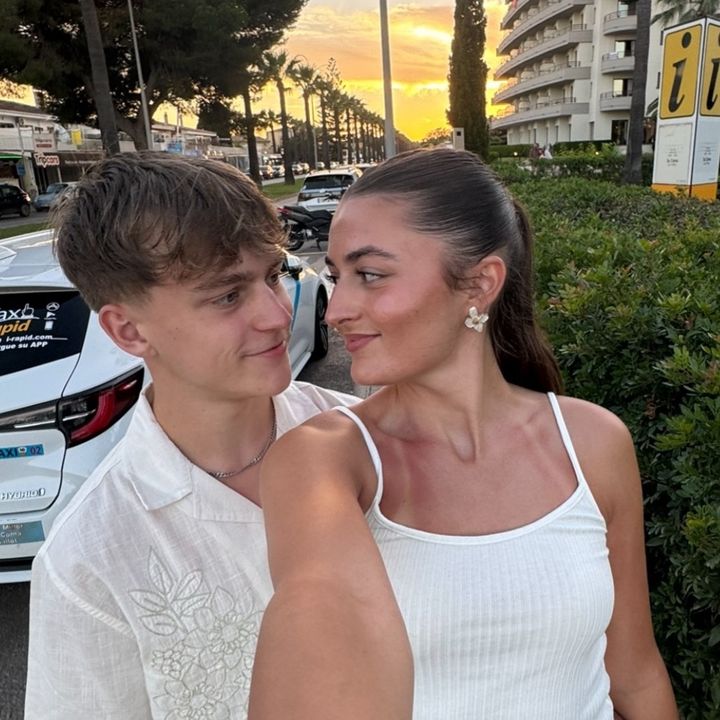
Ella & Benn
Australian couple Ella and Benn share their relationship and everyday adventures with a comedic twist.

Adelaide Kane
Comedy creator in Australia

Adut Akech Bior
A globally recognized supermodel, humanitarian, and mother, making an impact on and off the runway.

Chef Jack Ovens
A professional chef delivering high-protein meal prep and flavor-focused recipes with simplicity.
6. Compare proposals on scope, not on an isolated sponsorship fee
Sponsorship cost questions are best answered by defining the purchase. The commercial proposal for a creator-published placement may include production and distribution, while a content-only proposal may exclude publication entirely. A lower headline figure is not a better offer if essential assets, permissions, revisions or reporting are missing.
Send shortlisted Sydney influencer candidates the same core scope and invite them to identify exceptions. Allow creative recommendations, but require a clear explanation of how an alternative changes the outputs or responsibilities. This lets you compare a standard assignment while still benefiting from the creator’s knowledge of their audience and production approach.
Ask for enough detail to understand the total commitment. Relevant variables include creative development, product handling, filming complexity, editing, the number of versions, publication requirements, usage rights, exclusivity, timing and any confirmed production dependencies. Do not assume that a creator with fewer followers has a lower production burden or that a larger account includes broader rights.
| Proposal component | What the buyer should compare | Common ambiguity to resolve |
|---|---|---|
| Production | Concepts, recording requirements, finished assets and revisions | Whether extra edits count as new deliverables |
| Publication | Accounts, formats, timing and agreed duration | Whether publication is included at all |
| Rights | Destinations, permitted uses, term and territory | Whether paid media or adaptation is allowed |
| Exclusivity | Restricted competitors or product categories and duration | Whether a broad restriction exceeds the campaign need |
| Operations | Samples, attendance, approvals and delivery dependencies | Who bears additional costs after a scope change |
| Reporting | Metrics, evidence format and collection timing | Whether useful publication data will be supplied |
Normalise proposals before selecting a preferred candidate:
- Map every offer back to the objective-to-deliverable matrix.
- Mark included, excluded and unanswered scope items.
- Separate required outputs from optional enhancements.
- Review rights and exclusivity alongside the creative offer.
- Resolve consequential differences in writing before approval.
A proposal can be commercially attractive because it solves the assignment cleanly, not because it contains the most posts. For example, a technology demonstration that answers the key purchase question may be more useful than several loosely connected clips. That judgment should follow the objective rather than a universal preference for quantity.
Keep a record of why the chosen proposal won. This supports internal approval and creates a useful baseline for later campaigns. If the campaign changes, update the comparison rather than assuming the original commercial agreement covers additional products, platforms or uses. Clear scope protects the relationship as much as it protects the budget.
7. Choose self-directed discovery or a separately managed engagement
CreatorFanBase offers two different purchase paths: discovery subscriptions for buyers who want to run their own selection process, and CFB Agency as a separately quoted managed service. Choose based on the work your team needs help completing. Finding candidates, contacting them and agreeing a campaign are related activities, but they are not the same purchase.
Discovery subscriptions provide country, category, platform, language and follower filters, alongside shortlists and CSV exports. Those tools support candidate organisation and internal comparison. Your team remains responsible for deciding which profiles fit the brief, seeking current evidence, contacting creators and completing commercial arrangements when it manages the engagement directly.
Use stored-city matches as the initial review pool for a Sydney-focused assignment, then expand to country candidates if the scope permits. The link Search Australia campaign candidates applies a country-only query; it is not a Sydney filter. This wider pool can be useful for remote production, shipped products or campaigns whose customers extend beyond one city, subject to individual confirmation.
If you have people available to write briefs, review evidence, conduct outreach and manage approvals, Choose a creator discovery plan to evaluate the subscription route. Consider the operational workload as well as candidate discovery. A shortlist is valuable when someone can turn it into comparable proposals and maintain communication through delivery.
CFB Agency is the separate managed option for contacting creators, checking availability and negotiating. It is custom quote only, with written terms per brief. There is no fixed agency fee or percentage to assume. Use Get a Sydney campaign quote when you want to discuss that route, and describe the actual assignment rather than requesting a price for an undefined number of influencers.
Provide enough information for the managed scope to be understood:
- The campaign objective, categories and intended customer coverage.
- Which outputs are creator-published and which are for brand-owned channels.
- Preferred platforms, candidate criteria and any physical-production requirements.
- The timetable, approval structure and product or service access needed.
- Requested rights, exclusivity, reporting and other commercial constraints.
Do not assume that a discovery subscription includes managed outreach, or that an agency quote automatically covers every possible production and campaign-management task. Confirm responsibilities in the written terms. The right path is the one that matches your internal capacity and the complexity of the purchase, not simply the number of names you want to review.
8. Contract publication, production and usage as separate obligations
Once a preferred proposal is selected, the contract should preserve the distinctions established in the brief. A single agreement can cover production and creator publication, but each obligation needs its own description. Otherwise, the parties may agree on a “campaign” while holding different expectations about files, publishing, edits and future use.
Begin with a deliverable schedule. Identify the content, publisher, destination, delivery date or agreed window, review process and acceptance criteria. Specify whether captions, thumbnails, text overlays or alternative versions are included. Where the creator will publish, identify the relevant account and what happens if the agreed timing needs to change.
Usage rights deserve their own schedule. State where the brand may use the content, for what purposes, in which territories and for how long. Distinguish organic brand publication from paid advertising. If the brand wants editing permissions, still-image extraction, translations or adaptations, describe those uses rather than relying on a broad phrase such as “marketing rights.”
Raw footage is not automatically part of a finished-content purchase. Nor does permission to repost necessarily permit advertising, extensive editing or use of the creator’s likeness in unrelated material. Where content includes music, other people, third-party material or interfaces, establish who is responsible for ensuring the intended use is authorised. Obtain specialist advice when the proposed rights are unusually broad or consequential.
Exclusivity should be proportionate to the campaign’s actual competitive concern. Define the restricted products or competitors, the covered activity and the time period. A vague ban on working with an entire industry can affect a creator differently from a narrowly scoped restriction and should not be treated as an incidental addition.
For Sydney influencer engagements, practical contract terms also include product supply, attendance dependencies, cancellations, rescheduling, payment arrangements and treatment of scope changes. Agree how sponsorship identification and factual claim approval will be handled, with each party responsible for the obligations applicable to its role. Do not use approval language to require a misleading personal endorsement.
Make review rounds specific. Distinguish correcting an agreed factual error from requesting a new concept after filming. Name the brand approver and establish a way to consolidate feedback. The contract should allow the creator to understand when work is accepted and the buyer to understand what happens when an output fails the agreed specification.
Finally, align reporting obligations with the placement. Specify the evidence, collection timing and delivery format before publication. This prevents the campaign from reaching its final stage with no shared understanding of which results can actually be supplied.
9. Run production and publication on two connected timelines
Production completion is not publication completion. A finished video can still be awaiting approval, a product explanation can become inaccurate after a service change, and a scheduled placement can depend on a landing page that the creator does not control. Manage the asset workflow and the publishing workflow separately, then connect them through explicit readiness checks.
The production timeline should cover briefing, product or service access, concept development, recording, editing, review and delivery. The publication timeline should cover final approval, account readiness, links or codes where used, sponsorship identification, scheduling and evidence collection. Each timeline needs an owner capable of resolving delays.
Physical production introduces additional dependencies. Confirm the actual production location and attendance feasibility directly when those matter. If a concept requires access to a particular space, responsibility for permission should be explicit. A geographic listing or an appealing location reference does not resolve access, scheduling or practical production requirements.
A reliable sequence is:
- Confirm the signed scope and the person authorised to approve changes.
- Supply products, approved claims, service access and essential instructions.
- Agree the concept and identify any unresolved production dependencies.
- Review the draft against the brief using consolidated feedback.
- Accept final assets and confirm that publication requirements are ready.
- Publish or hand over according to the agreed schedule.
- Collect publication evidence and reporting at the agreed intervals.
Keep quality control tied to observable requirements. For fashion, that may mean the agreed product details are visible. For food, it may mean preparation instructions are represented accurately. For technology, it may mean the demonstrated workflow matches the approved product version. For services, it may mean the explanation accurately describes the customer process and avoids unsupported outcomes.
Avoid introducing new strategic preferences during final review. If the team decides it wants a different audience, offer or campaign concept after production, treat that as a scope discussion. Clear change control is more productive than asking a creator to absorb a substantially different assignment through routine revisions.
For multi-creator campaigns, stagger approvals where necessary so the brand can respond promptly. Keep one current brief and a record of approved changes, rather than circulating competing versions. A simple delivery tracker can show asset status, publication status, rights expiry and reporting due dates without conflating them.
This operating model supports both local attendance-dependent campaigns and assignments that can be completed remotely. The deciding factor is the work required, not an assumption that every creator sourced through a Sydney search must film or publish from the city.
10. Report by purchased outcome and scale only what remains useful
Reporting should return to the original buying decision. If you purchased creator-published placements, assess the agreed distribution and audience-response evidence. If you purchased content for brand-owned channels, assess delivery quality, usability and the results of the brand’s own deployment. When a campaign includes both, retain separate views before drawing a combined conclusion.
For published placements, useful evidence may include reach, views, watch behaviour, interactions, clicks or attributed actions where available and agreed. Interpret these measures in context. Views do not establish customer location, interactions do not automatically represent purchase intent, and attributed conversions depend on the measurement method. State those limits once within the report rather than pretending that one metric explains the entire campaign.
For brand-owned production, first determine whether the assets met the brief. Were the requested features demonstrated? Were files delivered in the required specifications? Did the rights permit the intended deployment? Then assess how the assets performed when used by the brand, recognising that media distribution, creative selection, offer quality and destination experience also influence results.
Compare creators only where the assignment is sufficiently similar. A long explanation and a brief introduction serve different jobs. A food launch placement and a service enquiry campaign may require different success measures. Even within one category, unequal rights, different formats or different publication requirements can make a simple ranking misleading.
A useful campaign review records three kinds of learning: what the content communicated, what the distribution achieved and how well the operation worked. The third is easy to neglect. Reliable communication, accurate first drafts and clear reporting can materially affect whether a repeat engagement is practical, even when they are not visible in public performance figures.
Before scaling, decide what should be repeated and what should change. Retain effective creator relationships where appropriate, but refresh availability, commercial terms, audience evidence and usage permissions. A previous engagement does not establish current feasibility, and an expired licence does not become reusable merely because the content performed well.
Expand deliberately across the portfolio. A fashion demonstration approach might inform a product-detail brief elsewhere, but it should not be copied into a service campaign without considering the different customer question. Likewise, a strong creator-published placement does not automatically prove that the same creator is the best supplier of advertising assets.
The strongest long-term approach to Sydney influencers is a documented procurement loop: define the objective, buy clearly specified work, evaluate the relevant evidence and improve the next brief. Scale the components that remain commercially useful, not simply the number of creators or posts.
Questions about influencers in Sydney
How should I start hiring Sydney influencers?
Start by deciding whether you need creator-published placements, content for your own channels, or both. Define the customer action, deliverables and evidence required. Then review candidates against that scope, validate audience relevance where distribution matters, and confirm operational feasibility before requesting comparable written proposals.
Does a Sydney city match confirm that a creator currently lives there?
No. A stored city match is a catalogue association rather than a confirmed current address. If the assignment depends on physical presence, ask about current production location and attendance feasibility directly. Treat the city match as a discovery starting point, not a logistical commitment.
Are Australia search candidates necessarily Sydney-based?
No. A country-only Australia search can include candidates with different locations and production arrangements. It can broaden a shortlist when remote work, shipped products or wider customer coverage are acceptable. Confirm any location-dependent requirements individually rather than assuming that country results satisfy a Sydney attendance brief.
How do I verify that a creator reaches Sydney customers?
Request relevant audience evidence and clarify whether it describes followers, recent viewers or a particular content format. Compare that evidence with your actual customer coverage requirements. A creator’s city label does not establish audience geography, and broad account statistics may not fully describe the audience of your proposed placement.
Are micro influencers a good option for a Sydney campaign?
They can be when their content, audience and proposed execution match the objective. Review relevant work, substantive interactions and operational reliability rather than assuming that a smaller following guarantees authenticity or local reach. Assess production capability separately if you mainly need assets for brand-owned channels.
What is the difference between a sponsored placement and content production?
A sponsored placement includes publication through an agreed creator account, making audience and distribution relevant to the purchase. Content production supplies assets for an agreed destination, often the brand’s channels. One engagement can include both, but publication, file delivery, usage rights and reporting should be described separately.
How much does a Sydney influencer sponsorship cost?
The appropriate proposal depends on the deliverables, production requirements, publication scope, rights, exclusivity and timing. Ask candidates to quote against the same brief and identify exclusions. Compare the total usable scope rather than an isolated fee, and resolve additional edits, advertising permissions and operational costs before approval.
Should I choose Instagram, TikTok or YouTube?
Choose according to the customer question, desired action and creator’s demonstrated format capability. Review relevant examples on the channel you intend to buy. Specify whether you need a short introduction, detailed explanation or another execution, then compare platform proposals without assuming that success transfers automatically between accounts.
Can one creator cover food, fitness, fashion and technology?
Possibly, but assess each required capability rather than relying on a broad lifestyle label. Food handling, fitness demonstrations, fashion detail and technology explanations involve different demands. Ask for relevant examples and decide whether one coherent multi-category brief is practical or whether specialist production strengths justify separate candidates.
What should an objective-to-deliverable matrix contain?
Include the business objective, intended customer action, publisher, channel, asset specification and success evidence. Add rights, timing and physical-production dependencies where relevant. Separate creator-published work from brand-owned assets so each output has a clear job, acceptance standard and reporting responsibility before proposals are requested.
How can I make creator proposals comparable?
Give candidates the same core scope and ask them to identify exclusions or alternatives. Compare production, publication, rights, exclusivity, operations and reporting separately. Resolve missing information before selecting an offer, and record whether an alternative changes the objective, deliverables or responsibilities rather than merely changing the price.
Who should approve campaign messaging?
The brand should designate an authorised approver who can consolidate internal feedback and confirm factual claims. The creator should understand the review process and retain space for honest communication. Agree revision boundaries so factual corrections are distinguished from new concepts or strategic changes introduced after production.
Does paying for a sponsored post include advertising rights?
Not automatically. Permission for creator publication is different from permission for the brand to run paid advertising. Agree the permitted destinations, duration, territory, editing rights and any required authorisation mechanism in writing. Do not infer broad commercial reuse from payment for a single sponsored placement.
Should I request raw footage?
Request it only when your team has a defined use and the rights needed to support that use. Raw footage is not automatically included with finished assets. Specify delivery expectations, permitted editing and relevant third-party permissions, and compare its practical value with commissioning clearly scoped additional versions.
How should exclusivity be defined?
Define the restricted products or competitors, covered activities and duration as precisely as possible. Explain the commercial conflict you need to avoid rather than imposing an undefined industry-wide restriction. Review exclusivity alongside the rest of the proposal because it changes the commitment being requested from the creator.
Can a Sydney campaign be produced remotely?
Yes, when the brief does not require local attendance or location-specific production. Shipped-product demonstrations and remote service explanations may be suitable, subject to individual arrangements. Confirm product delivery, access, instructions and technical needs, and keep customer coverage separate from where the creator records the content.
Can Barangaroo be used as a campaign setting?
It can inform a proposed concept, but a geographic reference does not establish permission or practical access. Confirm any location-dependent arrangements separately. Keep the setting subordinate to the campaign objective, and avoid treating waterside imagery as evidence for product properties such as water resistance or durability.
What belongs in a product demonstration brief?
Specify what the viewer needs to understand, which features must be visible and which claims are approved. Define required actions and acceptance criteria without over-directing every creative choice. For a bag demonstration, a pack-use-repack task grid can clarify retrieval and visibility without implying unverified performance characteristics.
How many revision rounds should I request?
Choose a review arrangement that fits the complexity of the work and agree it before production. More important than an arbitrary number is defining what each round covers. Separate factual corrections, changes within the approved concept and requests that require substantial new filming or a different creative direction.
What reporting should I request from creator-published campaigns?
Request metrics relevant to the objective and available for the purchased format, with agreed collection timing and evidence format. These might include reach, views, watch behaviour, interactions or tracked actions. Interpret them with their limitations, and do not treat a single metric as proof of commercial success.
How should I evaluate content made only for my brand?
First assess whether the assets meet the agreed specifications, demonstrate the necessary information and carry sufficient usage rights. Then evaluate their performance in your own deployment. Keep production quality separate from distribution outcomes because media choices, offers and landing experiences also affect results beyond the creator’s contribution.
When should I rehire a creator for another campaign?
Consider rehiring when the work met the objective, communication was reliable and the next assignment fits the creator’s capabilities. Refresh audience evidence, availability, scope and commercial terms rather than assuming the previous agreement continues. Confirm rights for any reused assets and document what the next brief should improve.
Influencers in other cities
- Influencers in Dubai
- Influencers in New York
- Influencers in Mumbai
- Influencers in Miami
- Influencers in Bangalore
- Influencers in Delhi
- Influencers in Chicago
- Influencers in London
- Influencers in San Diego
- Influencers in Dallas
- Influencers in Manchester
- Influencers in Hyderabad
- Influencers in Pune
- Influencers in Nashville
- Influencers in Los Angeles
- Influencers in Austin
- Influencers in Atlanta
- Influencers in Houston
- Influencers in Las Vegas
- Influencers in Chennai
- Influencers in Riyadh
- Influencers in Abu Dhabi
- Influencers in Singapore
- Influencers in Boston
- Influencers in Toronto
- Influencers in Seattle
- Influencers in Melbourne
- Influencers in Vancouver
- Influencers in Philadelphia
- Influencers in Washington DC
- Influencers in Detroit
- Influencers in Minneapolis
- Influencers in Baltimore
- Influencers in Pittsburgh
- Influencers in Edinburgh
- Influencers in Glasgow
- Influencers in Leeds
- Influencers in Denver
- Influencers in San Francisco
- Influencers in Orlando
- Influencers in Liverpool
- Influencers in Phoenix
- Influencers in Portland
- Influencers in Columbus
- Influencers in Cleveland
- Influencers in Indianapolis
- Influencers in Charlotte
- Influencers in Raleigh
- Influencers in Tampa
- Influencers in Sacramento
- Influencers in Salt Lake City
- Influencers in San Antonio
- Influencers in Birmingham
- Influencers in Bristol
- Influencers in Nottingham
- Influencers in Sheffield
- Influencers in Newcastle
- Influencers in Cardiff
- Influencers in Belfast
- Influencers in Calgary
- Influencers in Ottawa