























1. Start with the wardrobe decision, not the London postcode
A useful fashion collaboration helps someone make a clothing decision. That might mean understanding a designer’s unusual silhouette, deciding whether visible wear suits a vintage purchase, building outfits around an existing coat or preparing for a boutique appointment. Those are different jobs. A creator who delivers an excellent outfit montage may not be the right person to explain alterations, compare garment construction or describe a secondhand lining honestly.
For London fashion influencers, begin with the wardrobe question your customer is trying to resolve. Then decide what evidence the content must supply. A boutique selling appointment-only pieces needs a different approach from a designer introducing a replenishable collection. A single vintage garment cannot support the same purchase promise as a repeatable capsule staple.
| Customer decision | Campaign selection criterion | Portfolio evidence to request | Warning sign |
|---|---|---|---|
| Understand a designer piece | Ability to translate construction into styling | Spoken explanation of cut, fabric behaviour and proportions | Brand adjectives without garment detail |
| Buy a secondhand item | Accurate condition communication | Close-ups, measurements and visible disclosure of wear | Filters or framing that conceal flaws |
| Build a capsule wardrobe | Repeatable outfit reasoning | The same garments styled across different situations | Every look depends on a new purchase |
| Visit a boutique | Clear, practical retail storytelling | Appointment walkthroughs and useful visit preparation | Access presented as universally available |
| Discover a local shop | Evidence of relevant audience interest | Recent location insights and retail-intent responses | London residence treated as proof of local reach |
Use this table to choose one primary task and, at most, one supporting task. Trying to explain a designer’s history, sell a unique vintage jacket, promote appointments and launch a capsule challenge in the same short video usually weakens all four.
London also changes the practical wardrobe questions worth testing. A brief can ask whether an outfit works across a walking journey, a seated commute and an indoor appointment, rather than requesting generic city glamour. These are scenarios to demonstrate, not claims that every London viewer has the same lifestyle. Ask the creator which situations their audience actually discusses.
Before discovery, write a one-sentence buying hypothesis: “People who like the silhouette hesitate because they cannot judge its everyday versatility.” Your campaign should then show versatility with evidence. This prevents location, follower count or a fashionable backdrop from becoming a substitute for a useful recommendation. Keep the hypothesis attached to the brief so every requested shot serves the same decision.
2. Give every featured garment a provenance trail
Provenance is the difference between saying a garment looks vintage and making a defensible claim about what it is. Build a product record before the creator begins scripting. For new designer stock, that record might include the brand’s product description, composition label, supplied construction notes and any support for manufacturing claims. For secondhand stock, it should separate documented information from the seller’s assessment and from details that remain unknown.
Build a garment passport
Give each featured item a stable identifier that appears in the stock sheet, creator brief and approval comments. Record the label as shown, marked size, measured dimensions, composition information where available, ownership, loan status and sale status. Add the source of each substantive statement. “The label states wool” is more precise than assuming a fibre from appearance; “the shop describes this as dating from a particular period” is not equivalent to independently establishing that date.
Separate evidence from interpretation
A creator can explain that a shoulder shape feels dramatic or that a skirt works well with flat shoes without turning those opinions into historical claims. Likewise, a shop’s acquisition story should not become a documented chain of ownership unless records support it. If the label is missing, say so. If a garment has been altered, describe what is known about the alteration rather than implying original construction.
Resolve gaps before publication
When an unknown detail is not important to the buying decision, omit it. When it is important, make the uncertainty explicit and offer a practical alternative, such as measurements instead of an assumed modern size. Do not ask a creator to authenticate a piece unless that assessment is genuinely within their competence and supported by an appropriate process.
- Collect the item record and supporting photographs before scripting.
- Mark each proposed claim as documented, seller-supplied, creator opinion or unknown.
- Remove unsupported claims about age, authenticity, manufacture or previous ownership.
- Give the creator approved wording that preserves meaningful uncertainty.
- Recheck the product record when stock, condition or alterations change.
Provenance also matters for environmental language. A secondhand garment can be described as secondhand without asserting that the campaign, shop or purchase has a quantified environmental benefit. Ask for evidence before using broad sustainability claims. The strongest creator content often needs less grand language: showing an existing hem, explaining a repair and demonstrating another season of wear can communicate value more clearly than an unsupported promise.
Keep the passport lightweight enough to use on set. A concise shared document with item photographs is usually more practical than a folder of unnamed images and contradictory messages.
3. Make secondhand condition visible, not merely positive
Secondhand content succeeds when the garment shown is recognisably the garment the buyer will receive. Descriptions such as “excellent,” “beautiful” or “good vintage condition” cannot do that work alone. Establish a shared condition vocabulary with the seller and creator, then connect each description to visible evidence. A softened fabric, a repaired seam and a damaged fastening are not interchangeable forms of wear.
Start with a pre-shoot inspection of the actual item. Record marks, fading, pilling, stretched areas, repairs, missing components and any known functional issue. A garment can photograph attractively while having a lining problem that affects wear. Conversely, a small cosmetic mark may matter little to a particular buyer if its position and extent are shown clearly. The aim is neither to dramatise flaws nor to hide them.
- Show the full garment in ordinary lighting before close-up styling footage.
- Photograph or film relevant wear at a distance that makes its extent understandable.
- State whether measurements are flat, approximate or taken using another agreed method.
- Distinguish a marked label size from an inferred contemporary fit.
- Identify repairs and alterations where known, including whether they affect movement or length.
- Avoid smoothing, colour changes or framing that materially disguises condition.
- Confirm that the caption and linked product description describe the same item.
A creator’s try-on provides useful context but is not a universal fit guarantee. Ask them to describe where the garment sits, whether movement feels restricted and what they have layered underneath. If body measurements are included, obtain the creator’s agreement and make clear which measurements relate to the wearer and which to the garment. Do not require personal information that is unnecessary for the brief.
Give disclosures a place in the storytelling rather than relegating them to an easily missed final frame. For example, the creator can show a repaired cuff while discussing why the jacket still works in a capsule. The buyer sees both the attraction and the limitation in the same sequence.
Single-item stock creates another truthfulness problem: the item may sell before publication. Agree whether the content will be paused, updated or reframed as styling inspiration. Never leave a direct purchase instruction implying that the exact piece remains available when the seller knows otherwise. If a similar item is suggested instead, describe it as an alternative, not a replacement identical in fit, history or condition.
4. Distinguish brand-owned stock from the creator’s real wardrobe
Wardrobe ownership shapes both the credibility of a recommendation and the practical terms of production. A borrowed sample, a gifted garment, a creator’s long-owned coat and an item purchased for the shoot tell different stories. None is inherently unsuitable, but the brief must not blur those distinctions. “I have worn this for years” cannot be scripted around a newly delivered sample.
Create an ownership map for every hero item and every supporting piece that matters to the message. Record who owns it, why it appears, whether it must be returned and whether the creator has actually worn it outside the shoot. Brand-owned pieces may be useful for explaining a new collection; creator-owned pieces are particularly valuable when demonstrating how a purchase integrates into an existing wardrobe.
| Wardrobe or content asset | Deliverable implication | Rights or permission to agree | Practical boundary |
|---|---|---|---|
| Brand-owned loan sample | Try-on or styling demonstration | Filming permission and agreed use of the resulting content | Return date, cleaning and permitted handling |
| Gifted garment | First impressions or later wear assessment | Content licence negotiated separately from the gift | Do not imply a long wear history at delivery |
| Creator-owned clothing | Existing-wardrobe integration | Creator consent to feature it within the agreed content | Avoid suggesting the sponsor supplied it |
| Boutique-owned unique stock | Item-specific condition and styling content | Filming access and agreed use of footage | Sale, reservation and condition changes |
| Finished creator video | Organic post or brand asset | Channels, duration, territory, edits and paid use | Ownership of clothes does not confer rights to the video |
Treat personal wardrobe access as a creative contribution, not an unlimited free prop cupboard. If a brief depends on a particular creator-owned bag or coat, confirm that the creator is willing to use it and that it will still be suitable at production. Provide an alternative if the item is unavailable. Do not require a creator to disguise another brand’s involvement or suggest an endorsement that has not been agreed.
Separate the loan agreement from content usage rights. Specify the borrowing window, shipment responsibility, return method and process for recording pre-existing damage. Clarify whether steaming, pinning or temporary styling adjustments are permitted. Secondhand pieces may need different handling from robust new stock.
For the content licence, identify organic reposting, website placement, email use, paid advertising and creator-account advertising separately. Agree permitted edits and whether captions or disclosures must travel with the asset. A cropped clip that removes a condition disclosure can turn an accurate original into a misleading advertisement, even when the crop looks visually effective.
5. Treat boutique appointments as editorial access with boundaries
Appointment-based retail content should help a viewer understand what a visit involves. It should not make a private fitting look like unrestricted walk-in access or suggest that the same stock, service or space will be available to everyone. Confirm the boutique’s actual visit process before writing calls to action, and distinguish a production appointment from an ordinary customer appointment.
Plan the shoot around the store’s work. A busy fitting area, narrow rail spacing or another customer’s appointment may constrain camera placement. An exterior arrival shot can establish the setting, but the content still needs permission for the interior, staff participation and any restricted areas. Avoid capturing customers, appointment records or identifiable personal details in the background without appropriate agreement.
- Confirm who authorises filming and which spaces can appear.
- Establish whether the visit is private production time or takes place during normal trading.
- Agree the garments that can be handled, tried on or temporarily held for filming.
- Identify staff who are comfortable participating and approve their role in the brief.
- Check the real appointment instructions and any preparation customers should know about.
- Reserve time for condition footage, garment resets and a final stock check.
- Confirm what happens if the shoot overruns, a piece sells or the appointment changes.
Build London travel into the production plan without turning a local itinerary into a fantasy schedule. Two boutiques may look close on a map while involving awkward equipment transfers, fitting changes and waiting time. Ask for realistic travel allowances and consider whether separate visits would produce better work than a compressed multi-stop day. If an arrival sequence matters, agree a weather fallback and avoid making exterior filming essential to understanding the offer.
Useful appointment content answers specific questions: Should the visitor describe what they are seeking beforehand? Can they bring an existing garment for styling context? Will the creator show a curated selection or browse independently? Only include answers the boutique confirms. Do not invent service features because they would improve the video.
London Fashion Week access is never an implied part of hiring a London-based creator. A creator may have no invitation, no filming permission or no suitable access for a particular brief. If an event matters, verify it separately and provide a non-event creative route. A carefully explained boutique fitting can serve a clothing buyer better than a fleeting event backdrop.
6. Commission capsule content that survives beyond the first outfit
Capsule wardrobe campaigns are useful when they demonstrate relationships between garments, not simply a small collection of coordinated purchases. Define the capsule’s purpose before choosing its contents. A work-to-evening edit, a travel wardrobe and a collection built around an existing winter coat require different combinations. Ask which pieces the audience is expected to own already and which, if any, the sponsor wants them to consider buying.
The strongest test is whether the featured item earns its place. A designer trouser might justify itself through silhouette and versatility, while a vintage jacket might bring a distinctive proportion that basic layers support. A creator should be able to explain those choices without claiming that everyone needs the same wardrobe. Avoid fixed-item-count challenges when the number itself adds no buying value.
- Define the wearer’s situations rather than assuming a universal London lifestyle.
- List existing wardrobe anchors before adding sponsored pieces.
- Identify the colour, proportion or layering rule connecting the outfits.
- Include a seated or moving view when comfort and drape matter.
- Show at least one outfit change that alters function, not just accessories.
- State which supporting pieces are creator-owned, borrowed or supplied.
- Explain limitations such as care demands, restrictive fit or weather dependence.
For micro fashion influencers, closely examine whether their wardrobe reasoning remains clear across multiple posts. A smaller account may offer a convincing repeat-wear narrative, but audience size alone does not prove trust, affordability or relevance. Look for actual examples of garments returning, captions explaining trade-offs and viewers asking questions the creator answers substantively.
Platform choice should follow the demonstration. Instagram fashion creators may offer useful carousels for side-by-side outfit comparison and saved reference material. TikTok outfit creators may be a better fit for spoken experimentation, movement and visible outfit changes. These are possible formats, not rules about either platform. Review the individual creator’s work rather than assuming that a platform label predicts their ability.
Give capsule content a continuity plan. If later posts are commissioned, agree what will be revisited: wear experience, additional combinations or a changed season. Do not prewrite a glowing durability verdict before the creator has used the garment. If only one shoot is funded, describe it as a styling demonstration rather than pretending it documents a long-term wardrobe experiment. That distinction protects both the creator’s voice and the buyer’s understanding.
7. Translate designer-led styling into useful boutique discovery
Designer-led styling begins with the clothes’ design logic. Ask the brand which decisions matter most: a sculpted shoulder, an adjustable fastening, a particular seam placement or a fabric chosen for movement. Then ask the creator to demonstrate what those decisions mean when dressing. Simply repeating a collection description adds little if the viewer cannot see why a garment behaves differently.
A productive designer conversation gives the creator information without forcing them to imitate the designer’s voice. Request approved product facts and leave room for individual interpretation. The creator might show how balancing a wide shape with a narrower layer changes proportion, or why a detail becomes visible only in movement. Where a designer’s intention and the creator’s interpretation differ, present them as distinct perspectives rather than manufacturing agreement.
Boutique discovery can use the same approach. Instead of “come shopping with me” as the entire premise, organise the visit around a real wardrobe gap. That might be finding an outer layer for an existing dress or comparing differently cut trousers. The boutique earns attention by helping solve that problem. Its selection, styling approach and appointment process become meaningful rather than background decoration.
- Choose a garment detail or wardrobe problem that can be shown on camera.
- Collect the relevant designer or retailer explanation and verify factual wording.
- Ask the creator for two genuinely different styling approaches.
- Film the garment in movement and include the detail that supports the explanation.
- Explain who might prefer each approach and where its limitations appear.
- End with a stock-appropriate action: inspect product details, explore the edit or check appointment information.
Keep the geographic story specific but earned. A shop’s London location can explain the visit, travel context or relationship to the creator’s existing wardrobe content. It does not automatically establish a neighbourhood following or national authority. Ask creators what makes the boutique relevant to their viewers before requesting recognisable street footage.
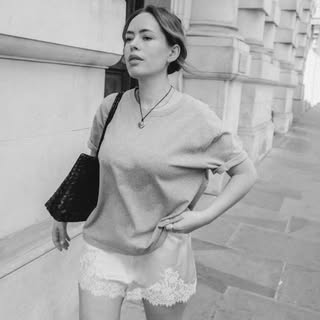
For visual research, the supplied London street-style editorial can be treated as further reading, not as evidence of a creator’s current availability, audience or access. Build the actual buying decision from current portfolios and information obtained for your brief.
Finally, ensure discovery content remains useful if one featured piece sells. A second route focused on the boutique’s selection process can preserve the story, provided it does not imply that unavailable garments remain purchasable.
8. Use CreatorFanBase’s London-first discovery scope correctly
CreatorFanBase’s relevant listing scope starts with creators tagged Beauty & Fashion whose stored city matches London, followed by UK candidates. That is a practical discovery order, not a verified fashion-only ranking. The category can include beauty-led creators, so buyers must inspect outfit and styling portfolios before deciding that a profile fits a wardrobe brief.
Stored city is a catalogue field that may reflect a current base, origin or past residence, with a matching country. It is not independent verification of someone’s current residence. Use the London match as a useful starting signal, then confirm any location or travel requirement that matters to production. UK candidates appearing afterward are not necessarily based in London and should not be described as London creators without further evidence.
Begin with Browse London creators, then use Beauty and fashion creators to explore category relevance. Check for the actual skills your brief requires: garment explanation, condition disclosure, repeat styling or retail filming. A strong makeup portfolio does not establish competence in describing secondhand construction, just as stylish portraits do not establish the ability to host a boutique visit.
CreatorFanBase offers two buying paths. Database subscriptions support discovery: buyers use the available information to research candidates and develop their choices. Managed campaign quotes cover a different service: CFB contacts creators, checks availability and negotiates for the brief. Neither route should be interpreted as a promise of creator participation or campaign results. Use Compare discovery tools when assessing your research workflow, Review plans for subscription information, or Get a campaign quote when seeking managed support.
Keep local versus national audiences separate from creator location. A London-based creator may reach viewers across the UK or beyond. Someone based elsewhere in the UK may have relevant London viewers, but that also needs evidence. For appointment-led local fashion campaigns, request recent audience location information and look for signs of visit intent. For a designer selling nationally, broader UK relevance may matter more than proximity to the boutique.
Build a comparison note for each candidate: category fit, observed wardrobe skill, location status, audience evidence, access requirements and unanswered questions. Do not fill gaps with assumptions. Where audience geography is unavailable, record that uncertainty and decide whether the campaign can tolerate it. This makes the shortlist defensible without inventing a precision the listing does not provide.
9. Compare two briefs that should not buy the same deliverables
Contrasting briefs expose unnecessary spend and missing evidence. Consider an appointment-led vintage boutique with unique stock, then a designer seeking a capsule styling asset for wider use. Both may want fashionable content in London, but their ownership, stock and rights needs differ substantially. Treat the following as worked structures, not packages with assumed fees or availability.
Worked brief A: condition-first boutique visit
The objective is to help suitable viewers understand the appointment experience and assess the kind of secondhand garments available. The creator visits with permission, films a small agreed selection and explains fit, visible wear and styling possibilities. The exact pieces may sell, so the brief includes a stock check before publication and an alternative caption focused on the boutique’s selection rather than a specific purchase.
The main audience question is local relevance. The main production risk is that a visually attractive item lacks adequate condition footage. Success should be assessed through qualified appointment interest and useful garment enquiries, not views alone. The creator’s own basics can provide styling context, with ownership clearly recorded.
Worked brief B: designer capsule demonstration
The objective is to show how a supplied designer garment integrates with clothes the creator already owns. The brief asks for contrasting outfits and an explanation of proportion, movement and practical limits. The garment may be a loan or gift; neither status establishes long-term wear experience. Audience relevance may be national if the sales proposition supports that scope.
The main production risk is an attractive montage that never explains the design. The main commercial risk is buying broad advertising rights before confirming that the creative works. Agree initial uses explicitly and price any additional scope rather than assuming unlimited reuse.
| Decision | Boutique visit brief | Designer capsule brief |
|---|---|---|
| Core deliverable | Appointment walkthrough with condition evidence | Outfit demonstration with design explanation |
| Supporting material | Item close-ups and visit preparation | Comparison stills or a styling carousel |
| Stock dependency | High for unique items | Depends on collection availability |
| Wardrobe ownership | Boutique stock plus agreed creator pieces | Supplied hero garment plus existing wardrobe |
| Rights priority | Accurate retailer reposting with disclosures intact | Clearly scoped brand and possible paid use |
| Audience priority | Evidence relevant to physical visits | Evidence matching the designer’s selling territory |
| Approval focus | Condition, availability and appointment facts | Product facts, ownership and styling claims |
Request both briefs in GBP, with actual fees quoted against their respective scope. Break out production, creator posting, access or travel costs, rights, exclusivity and any additional edits. Do not compare sponsorship cost using only the headline total: a narrowly licensed visit video and a multi-use designer asset are different purchases. The useful comparison is what each fee buys and what remains outside the agreement.
10. Approve the wardrobe truth, then measure the buying decision
The final approval process should protect facts without flattening the creator’s judgement. Agree which statements require checking and which belong to the creator’s honest styling opinion. A brand can correct a composition error; it should not convert a genuine fit limitation into praise simply because a positive line would be easier to advertise. Set revision boundaries before production so factual corrections and creative changes are not confused.
Use a final garment-to-claim check. Match each featured item to its passport, confirm ownership language and review the edit for condition visibility. Check that a designer explanation has not become an unsupported manufacturing claim. Confirm that the appointment instructions remain accurate and that any sale-specific link still leads to a relevant destination. Clearly identify incentivised promotional content as advertising, including relevant gifts and other benefits, in line with CMA consumer-protection guidance. Assess ASA/CAP requirements separately; the CAP payment-and-editorial-control test is not the limit of UK disclosure duties.
- The product shown matches the product described.
- Material condition issues remain visible after cropping and caption edits.
- Loaned, gifted and creator-owned pieces are represented accurately.
- Stock and appointment instructions have been checked close to publication.
- Every planned use fits the agreed content usage rights.
- Any event or private-access reference reflects confirmed permission.
- Claims about audience location are supported rather than inferred from residence.
- The call to action still makes sense if a unique item sells.
Measurement should return to the original wardrobe decision. For condition-led content, look at whether enquiries show better understanding of measurements, wear and fit. For capsules, inspect saves, substantive styling questions and attributable product interest where tracking is available. For boutique appointments, separate general engagement from enquiries that match the store’s visit process. Agree what information the retailer can reasonably share without exposing customer personal data.
Do not attribute every appointment or sale during the period to the creator. Use campaign-specific links or agreed enquiry questions where feasible, record their limitations and compare the evidence with the objective. A unique item selling quickly may be commercially welcome but cannot by itself prove that the same creative will sell a replenishable collection.
Close the production loop as carefully as the publication loop. Confirm loan returns, document any condition change, store approved asset versions and note licence end dates. Record which creator explanations helped and where viewers remained uncertain. The next brief should improve the garment evidence, not merely demand more posts. That is how a London wardrobe campaign becomes a repeatable buying tool rather than a disposable fashion moment.
Questions about London fashion campaigns
What should I look for in London fashion influencers?
Look for the wardrobe skill your campaign needs: explaining design, styling existing clothes, describing secondhand condition or guiding a boutique visit. Then check audience relevance and practical access. A London location signal is useful for discovery, but it does not establish fashion expertise, current availability or a local audience.
Is CreatorFanBase’s London listing a verified fashion-only ranking?
No. The relevant scope prioritises creators tagged Beauty & Fashion with a stored London city match, followed by UK candidates. Buyers still need to review outfit and styling portfolios. A broad category match can surface useful candidates, but it should not replace checking their specific garment-related work.
How should I interpret a creator’s stored London location?
Stored city is a catalogue field that may reflect a current base, origin or past residence, with a matching country, not independent verification of current residence. Use it to begin research, then confirm location when travel or attendance matters. Do not infer a creator’s audience geography, boutique access or willingness to attend from that field.
Are the UK candidates necessarily based in London?
No. Country-wide candidates may be based elsewhere in the UK. They can still suit a national designer campaign or a London production with agreed travel, but those are separate decisions. Confirm their base, travel requirements and audience relevance before treating them as suitable for a local boutique brief.
How do I assess local versus national audiences?
Start with the purchase journey. Appointment campaigns need evidence relevant to physical visits, while nationally available clothing may benefit from broader UK reach. Request recent audience location information where available and review meaningful audience questions. Creator residence alone cannot tell you whether viewers can or want to visit.
Are micro fashion influencers suitable for boutique campaigns?
They can be, particularly when their work demonstrates detailed styling and useful audience conversations. However, smaller size does not automatically mean stronger local relevance, lower fees or better results. Assess garment knowledge, audience evidence, production quality and appointment suitability against the same practical brief used for other candidates.
Should I choose Instagram fashion creators or TikTok outfit creators?
Choose the creator and format around the explanation required. Carousels can support outfit comparisons, while spoken videos can demonstrate movement and styling changes. Either platform can host strong or weak examples. Review actual work, then agree deliverables that communicate condition, proportions and ownership rather than relying on platform stereotypes.
How do I hire a creator for a wardrobe-specific brief?
Prepare the garment facts, ownership map, desired formats, audience requirements and access arrangements first. Confirm interest, availability, fees, rights and approval boundaries before production. Include loan returns and stock-change contingencies where relevant. A clear wardrobe brief makes negotiation more useful than asking for a generic fashion post.
What determines sponsorship cost for a London fashion campaign?
Cost depends on the creator, production requirements, posting commitments, travel, revisions, exclusivity and rights requested. Obtain actual quotes in GBP for a defined brief rather than relying on unsupported market estimates. Separate creation and publication from additional usage so differently scoped proposals can be compared fairly.
What belongs in a garment provenance record?
Include an item identifier, label information, marked size, measurements, available composition details, condition, alterations, ownership and stock status. Attach the source of important claims. Distinguish documented facts from seller assessments and creator opinions, and leave unknown details unknown rather than filling gaps with plausible fashion language.
How should a creator describe secondhand condition?
Use specific observations supported by images: where wear appears, what has been repaired and whether a feature affects use. Broad labels such as excellent condition are insufficient alone. Show relevant flaws clearly, align the caption with the product listing and avoid editing that materially conceals the garment’s state.
Can a creator authenticate vintage or designer pieces?
Do not assume that styling expertise includes authentication. Establish what evidence supports the claim and whether an appropriately qualified assessment is needed. If age, origin or authenticity remains uncertain, avoid definitive wording. A creator can still provide valuable fit and styling information without making unsupported provenance claims.
What if a unique vintage item sells before publication?
Follow the contingency agreed in the brief: pause, update or reframe the content around styling and the boutique’s broader selection. Remove instructions implying the exact item remains available. If alternatives appear, identify them honestly and do not suggest identical fit, provenance or condition without evidence.
Why distinguish brand-owned and creator-owned wardrobe pieces?
Ownership affects handling, returns, storytelling and the credibility of wear claims. Existing personal pieces can show real wardrobe integration, while supplied samples help demonstrate new products. Record which is which, obtain agreement for personal wardrobe use and never imply that a newly received garment has years of wear history.
Does gifting clothing include rights to the creator’s content?
Do not assume so. Agree content rights separately, specifying channels, duration, territory, permitted edits and any advertising use. Garment ownership and content permission are different matters. Also clarify whether the garment is genuinely gifted or loaned, since return expectations should not emerge after the shoot.
Which content usage rights should a boutique request?
Request the uses you actually need, such as organic social reposting, website placement or email inclusion. Discuss paid advertising separately and specify duration, territory and editing boundaries. Preserve condition information and commercial disclosures when adapting assets, particularly when a short crop could misrepresent a secondhand item.
What needs confirming before filming a boutique appointment?
Confirm filming permission, participating staff, accessible areas, timing, garment handling and customer privacy arrangements. Establish whether production happens during normal trading or in a separate slot. Verify the real customer appointment process so the creator does not present special production access as a service automatically available to everyone.
Does hiring a London creator include London Fashion Week access?
No. Location and fashion content do not establish invitations, access or filming permission. If an event is essential, verify the specific arrangements before including it in the scope. Maintain an alternative concept based on confirmed boutique or studio access rather than making the campaign dependent on an assumption.
How can a capsule campaign avoid feeling like a shopping list?
Start with existing wardrobe anchors and a defined set of situations. Ask the creator to explain why each addition helps, show meaningful outfit changes and acknowledge limitations. Repeat-wear reasoning is more useful than an arbitrary item count, especially when every supposedly essential piece would require a new purchase.
What makes designer-led content useful rather than promotional?
It translates design decisions into visible dressing benefits or trade-offs. Show how construction affects movement, silhouette or layering, and distinguish the designer’s explanation from the creator’s interpretation. Viewers should leave understanding the garment better, not merely remembering collection adjectives or seeing an attractive outfit against a London backdrop.
How should local fashion campaigns measure appointment interest?
Agree practical signals with the boutique, such as relevant enquiries and attributable appointment requests where tracking permits. Separate these from general views and likes. Use campaign-specific links or enquiry questions where feasible, acknowledge attribution limits and avoid sharing unnecessary customer information while evaluating the campaign.
What should be checked before approving the final fashion content?
Check product identity, provenance wording, condition visibility, wardrobe ownership, stock status and appointment instructions. Confirm that planned distribution matches the agreed rights and that disclosures remain clear. Preserve honest creator opinions about fit or styling, while correcting factual errors and removing claims that the available evidence cannot support.
More city campaign guides
- Fitness influencers in Bangalore
- Los Angeles fitness influencers
- Miami food influencers
- Food bloggers in Mumbai
- Food bloggers in Delhi
- London fitness influencers
- London food influencers
- Los Angeles food influencers
- Food bloggers in Bangalore
- Dubai fashion influencers
- Fashion influencers in Mumbai
- New York fashion influencers
- Los Angeles fashion influencers
- Fashion influencers in Delhi
- Food influencers in Dubai
- Fitness influencers Dubai
- NYC food influencers
- Fitness influencers NYC
- Miami fitness influencers
- Food bloggers in Chennai
- Food bloggers in Hyderabad
- Food bloggers in Pune
- Fitness influencers in Mumbai
- Fitness influencers in Delhi
- Chicago food influencers
- Chicago fitness influencers
- Chicago fashion influencers
- San Diego food influencers
- San Diego fitness influencers
- San Diego fashion influencers
- Dallas food influencers
- Dallas fitness influencers
- Dallas fashion influencers
- Manchester food influencers
- Manchester fitness influencers
- Manchester fashion influencers
- Nashville food influencers
- Nashville fitness influencers
- Nashville fashion influencers
- Austin food influencers
- Austin fitness influencers
- Atlanta food influencers
- Atlanta fitness influencers
- Atlanta fashion influencers
- Houston food influencers
- Houston fitness influencers
- Houston fashion influencers
- Las Vegas food influencers
- Miami fashion influencers
- Toronto food influencers
- Toronto fashion influencers
- Toronto fitness influencers
- Sydney food influencers
- Sydney fashion influencers
- Sydney fitness influencers
- Melbourne food influencers
- Melbourne fashion influencers
- Melbourne fitness influencers
- Singapore food influencers
- Singapore fashion influencers
- Singapore fitness influencers
- Boston food influencers
- Boston fitness influencers
- Boston fashion influencers
- Seattle food influencers
- Seattle fashion influencers
- Seattle fitness influencers
- Austin fashion influencers
- Las Vegas fitness influencers
- Las Vegas fashion influencers
- Chennai fitness influencers
- Chennai fashion influencers
- Pune fitness influencers
- Hyderabad fitness influencers
- New York lifestyle influencers
- Miami lifestyle influencers
- London lifestyle influencers
- Dubai lifestyle influencers
- Los Angeles lifestyle influencers
- Toronto lifestyle influencers
- Sydney lifestyle influencers
- Chicago lifestyle influencers
- Dallas lifestyle influencers
- Melbourne lifestyle influencers
- Singapore lifestyle influencers
- Atlanta lifestyle influencers
- Manchester lifestyle influencers
- Boston lifestyle influencers
- Houston lifestyle influencers
- San Diego lifestyle influencers
- Las Vegas lifestyle influencers
- London travel influencers
- New York travel influencers
- Los Angeles travel influencers
- Toronto travel influencers
- Singapore travel influencers
- Chicago travel influencers
- Vancouver food influencers
- Vancouver fashion influencers
- Vancouver fitness influencers
- Philadelphia food influencers
- Philadelphia fitness influencers
- Philadelphia lifestyle influencers
- Detroit food influencers
- Baltimore food influencers
- Pittsburgh food influencers
- Edinburgh food influencers
- Glasgow food influencers
- Vancouver lifestyle influencers
- san antonio food influencers
- san francisco food influencers
- san francisco fitness influencers
- san francisco fashion influencers
- denver food influencers
- denver fitness influencers
- orlando food influencers
- charlotte food influencers
- portland food influencers
- phoenix food influencers
- tampa fitness influencers
- new york beauty influencers
- los angeles beauty influencers
- chicago beauty influencers
- dallas beauty influencers
- london beauty influencers
- birmingham food influencers
- bristol food influencers
- bangalore lifestyle influencers