













































1. Start with the right shortlist: Dubai first, wider UAE second
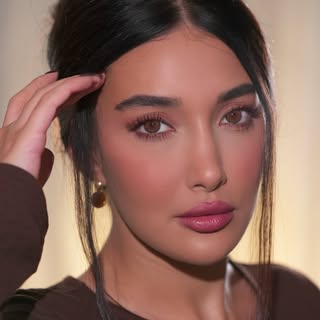
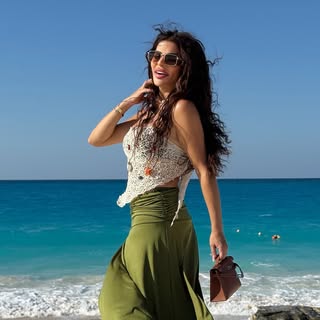
The useful starting point for a Dubai fashion campaign is a location-aware shortlist, not a supposed ranking of the best fashion accounts. CreatorFanBase’s relevant listing scope is creators tagged Beauty & Fashion, with profiles whose stored city is Dubai considered first and UAE candidates considered afterward. That category is a discovery filter: it does not establish that every listed creator regularly produces outfit-led content, and it is not a verified fashion-only ranking.
Use Browse Dubai creators to begin with the city requirement, then explore Beauty and fashion creators to understand the broader category pool. Keep location and creative suitability as separate assessment fields. A creator can be an excellent local production fit but a weak wardrobe storyteller; another can be a strong fashion specialist whose location requires further clarification.
Build two working shortlists
The first shortlist should contain creators whose stored city matches Dubai. The second should contain UAE candidates whose precise base, travel needs and ability to attend Dubai activities still need checking. Do not relabel the second group as Dubai-based simply to make the options appear interchangeable.
- Dubai-first candidates: assess for fittings, store visits, location shoots and other activities that benefit from city proximity.
- Wider UAE candidates: assess for creative fit, remote production potential and the practicalities of any Dubai attendance.
- Unresolved candidates: hold separately when location, fashion portfolio or audience evidence is insufficient for a decision.
A residence field answers where a creator is based; it does not answer where followers live. Even a creator with an independently confirmed current Dubai base may reach people across multiple countries. Conversely, a creator elsewhere in the UAE might reach relevant Dubai shoppers. Request audience evidence before assigning either creator a local sales objective.
For local fashion campaigns, define what “local” actually means. A boutique seeking fitting appointments has a different catchment from an online label delivering across the UAE. If your objective is city-store visitation, Dubai audience relevance matters more than a broad national label. If the objective is nationwide ecommerce, restricting every candidate to Dubai residence may unnecessarily narrow the creative pool.
Keep the shortlist decision visible: location status, fashion evidence, audience fit and outstanding checks. This prevents an attractive profile from quietly bypassing the requirements that made the campaign commercially sensible in the first place.
2. Separate outfit styling expertise from beauty-led influence
Beauty & Fashion is a useful umbrella category, but a fashion brief needs evidence of clothing communication. A creator who explains skincare beautifully may not demonstrate garment movement, proportion, layering or fit. That does not make the creator unsuitable for every fashion campaign; it means the buyer must distinguish proven styling ability from adjacent content experience.
Review a representative selection of recent posts rather than relying on a profile biography or one polished outfit image. Look for repeatable creative behaviors: showing complete looks, making accessories legible, describing materials accurately and explaining why pieces work together. If the campaign requires modest styling, inspect whether the creator actually solves coverage and layering questions rather than merely wearing a longer garment in a single post.
What a styling portfolio should reveal
A useful portfolio shows how the creator moves from product to outfit. Can viewers identify the promoted item? Are shoes, bags and layering choices visible? Does the creator explain styling decisions without making unsupported claims about quality or performance? For video, watch whether the garment remains understandable after transitions and edits.
Assess the decision, not just the finished image
Ask candidates to describe how they would style a priority item for your intended customer. You are looking for relevant thinking, not a large amount of unpaid creative work. A concise approach statement or discussion of comparable existing work can reveal whether the creator understands the brief.
Use a concrete product question
For example: “How would you show this jacket in a coverage-conscious daytime look and a more dressed-up evening look?” The response should address silhouette, layering and occasion. A response focused entirely on makeup would signal that the proposed deliverable needs a different creative lead.
- Identify the garment or collection that must remain the visual priority.
- Review existing examples of full-look styling and product explanation.
- Note whether the creator’s strongest work is fashion-led, beauty-led or genuinely mixed.
- Match the deliverable to demonstrated strengths rather than assuming category overlap is enough.
- Resolve gaps before negotiating production scope.
A combined fashion-and-beauty concept can work when both roles are deliberate. An occasionwear video might include a short makeup transition, for instance, while retaining clear dress coverage and styling commentary. Specify that hierarchy in the brief. Otherwise, a broadly worded “getting ready” commission can become a beauty tutorial in which the garment receives only a fleeting final frame.
3. Write distinct briefs for modest fashion, occasionwear, luxury and street style
These four creative directions should not share an interchangeable brief. Each asks the creator to answer a different customer question. Modest fashion may require coverage and layering clarity; occasionwear needs context and movement; luxury needs disciplined product presentation; street style benefits from a believable relationship between the item and the creator’s existing wardrobe.
Modest fashion: make styling requirements explicit
Specify the intended silhouette, coverage preferences and acceptable layering options without assuming that all customers interpret modest dressing identically. State whether the hero item must be shown with a particular sleeve length, underlayer or neckline treatment. If fabric opacity is important, request suitable lighting and truthful demonstrations rather than a blanket claim that has not been substantiated.
Let the creator contribute styling judgment within those parameters. Overprescribing every accessory can remove the very expertise you are hiring. The useful balance is a clear customer need, accurate product information and room for a creator-specific interpretation.
Occasionwear: sell the use case, not an invented event connection
Describe the relevant setting, dress expectations and desired level of formality. Request seated, standing and moving views when they help explain the garment. Agree whether tailoring, steaming or specialist handling is needed. Do not attach the campaign to an event date or suggest official event access unless those details are confirmed.
Luxury: prioritize credibility and restraint
Define product naming, brand pronunciation, packaging treatment and visual exclusions. Decide whether the narrative is craftsmanship, personal styling or a particular collection detail, and provide approved supporting information. A luxury campaign should not rely on a creator improvising claims about rarity, investment value or provenance.
Street style: preserve the creator’s point of view
Choose creators who already demonstrate outfit composition, rather than asking an unrelated account to imitate a style temporarily. Explain which branded pieces must appear, what competing branding is acceptable and whether outdoor production is essential. Consider a backup location or indoor interpretation so the concept does not depend entirely on a single shooting condition.
| Direction | Customer question to answer | Useful creative requirement | Common briefing error |
|---|---|---|---|
| Modest fashion | How can I style this to my coverage preferences? | Clear layering and full-silhouette views | Treating modest fashion as one uniform aesthetic |
| Occasionwear | Will this work for my intended setting? | Movement, fit context and accessory choices | Showing only a static beauty-led reveal |
| Luxury | Why does this piece belong in this wardrobe? | Accurate details and controlled visual presentation | Unsupported prestige or value claims |
| Street style | How does this fit into an everyday personal look? | Believable combinations and readable proportions | Overstyling until the creator’s identity disappears |
Use the table to choose the central buying question before choosing the format. A technically polished video can still fail if it answers the wrong question.
4. Evaluate local versus national audiences with campaign-specific evidence
Local versus national audiences is a commercial choice, not a hierarchy of creator quality. A Dubai store appointment campaign needs a meaningful route from exposure to a physical visit. A UAE-wide online launch needs delivery coverage, relevant shoppers and an appropriate buying journey. A broader awareness campaign might accept an international audience, provided that audience is part of the actual objective rather than a convenient explanation after selection.
Ask for available platform-native audience information and note its reporting period. Geography should be considered alongside age suitability, language, content interests and the behavior visible around comparable posts. City-level detail may not always be available or sufficiently precise. When evidence is limited, record the limitation and reduce the certainty of your forecast instead of treating residence as a substitute.
Read behavior as well as audience labels
Comments can help reveal whether viewers discuss outfits, ask about sizes or request product information. They cannot establish a complete audience map, and a few relevant comments do not prove purchase intent. Use qualitative observations to complement available analytics, not to replace them.
Micro fashion influencers deserve the same scrutiny as larger accounts. A smaller following may suit a specialist styling conversation, but size alone proves neither local relevance nor strong commercial response. Look for consistency of fashion content, clarity of product presentation and evidence relevant to your chosen outcome.
| Campaign selection criterion | Dubai store activation | UAE ecommerce campaign | Styling asset commission |
|---|---|---|---|
| Creator residence | Important for attendance and production | Useful, but not decisive by itself | Mainly a logistics consideration |
| Audience geography | Dubai relevance should be assessed | UAE relevance should be assessed | Less central if distribution is brand-led |
| Portfolio evidence | Store storytelling and wearable looks | Product explanation and shopping context | Strong styling and production execution |
| Measurement route | Booking, enquiry or attributable store action | Trackable visits and defined conversions | Asset acceptance and agreed reuse performance |
| Main selection risk | Confusing city residence with city audience | Paying for reach outside the delivery market | Buying distribution when only assets are needed |
Before approving a creator, write a one-sentence selection rationale. For example: “This candidate fits because their existing outfit work matches the collection, their available audience evidence supports the target market, and the production requirements are practical.” If the rationale depends on an unverified assumption, identify the next check.
Avoid demanding unnecessary personal data. Aggregated audience information is normally the relevant decision input; follower identities are not needed to establish a sensible campaign shortlist.
5. Choose Instagram and TikTok deliverables by the shopping task
Instagram fashion creators and TikTok outfit creators should be evaluated by what they can help viewers understand, not simply by platform labels. An outfit transformation can create interest, while a slower styling explanation may resolve a purchase hesitation. A carousel can make individual details easier to inspect. The correct format follows the customer question and the creator’s demonstrated execution.
For a product with unfamiliar proportions, request enough uninterrupted footage to show the silhouette. For a collection with multiple combinations, a clearly structured look sequence may be more useful than one heavily edited reveal. If the objective is store discovery, include a recognizable location explanation and a practical next step without overwhelming the styling story.
| Deliverable | Best suited to | Briefing detail to include | Acceptance check |
|---|---|---|---|
| Short outfit video | Showing combinations and movement | Hero item, look sequence and product visibility | Viewers can identify the promoted piece |
| Styling carousel | Explaining proportions and details | Frame order, full-look shots and detail shots | Each frame adds useful information |
| Story sequence | Timely context and direct next steps | Sequence, destination and approved facts | Links and requested information are correct |
| Creator-shot brand assets | Brand-channel or paid-media production | Dimensions, clean versions and agreed rights | Files meet technical and contractual scope |
| Store-visit content | Connecting fashion to a physical experience | Attendance plan, filming scope and customer privacy | Store and collection are represented accurately |
Separate content creation from creator distribution
A video made for the brand to publish is not the same purchase as a video published to the creator’s audience. Clarify which service is included, and whether both are required. The same distinction applies to raw footage: receiving an edited post does not automatically include source files or permission to create unlimited derivatives.
- Specify aspect ratios, captions, subtitles and any required clean version.
- State how many distinct looks must be shown, not just the video length.
- Identify mandatory product facts and claims that must not be improvised.
- Confirm the publishing account, agreed posting window and destination link.
- Describe what constitutes a revision versus a new concept or reshoot.
Do not assume a strong Instagram portfolio guarantees equally strong TikTok execution, or the reverse. Review examples in the actual format being commissioned. If cross-posting is proposed, clarify whether it means an identical file or a separately adapted piece, and check that any audio and other third-party elements are suitable for the intended publication and reuse.
6. How to hire through CreatorFanBase without confusing discovery and management
CreatorFanBase is a managed marketplace with two distinct buying paths: database subscriptions for discovery, and managed campaign quotes. In the managed route, CFB contacts creators, checks availability and negotiates. Browsing a candidate is therefore not a confirmation that the creator is available, interested or committed to the proposed campaign.
Use Review plans when deciding whether a database subscription suits an ongoing discovery workflow. Use Compare discovery tools to think through the practical differences that matter to your team: how you will build lists, assess evidence and maintain a consistent selection process. Discovery access should be evaluated as a research purchase, not mistaken for an inclusive creator campaign fee.
When you need campaign support, Get a campaign quote provides the relevant route to explore managed pricing. Supply a brief that makes the proposed work negotiable: brand, products, intended customer, location needs, deliverables, timing, usage rights and AED budget parameters. Do not assume a vague campaign description can yield a meaningful like-for-like quote.
- Define the outcome. Choose the primary objective, such as qualified product discovery, store enquiries or reusable styling assets.
- Set candidate boundaries. State Dubai-first selection and whether wider UAE candidates are acceptable.
- Describe the fashion task. Specify modest fashion, occasionwear, luxury, street style or a defined combination.
- Detail the scope. Include formats, looks, posting requirements, rights, approvals and physical attendance.
- Request managed pricing. Allow CFB to contact candidates, check availability and negotiate against that scope.
- Review the proposed terms. Confirm exactly what is included before making commitments or arranging production.
Make the brief complete enough to price
Explain whether products are gifts, loans or returnable samples. Identify whether a fitting is required and whether the creator needs to source supporting accessories. Include any exclusivity request at the outset rather than introducing it after pricing has been discussed.
If your preferred creator cannot participate, evaluate alternatives against the original selection criteria rather than treating any available Beauty & Fashion profile as equivalent. A replacement should still meet the styling, audience and production requirements that justified the campaign.
Managed contact and negotiation can coordinate the buying process, but they do not establish a guarantee of creator participation or campaign results. Treat availability, fees and final obligations as matters to confirm for the specific brief.
7. Budget in AED and compare sponsorship cost on an equal scope
There is no useful single sponsorship cost for Dubai fashion influencers without a defined scope. A creator-shot styling asset, a published outfit video and an attended store activation are different purchases. Budget in AED and obtain actual fees for the brief rather than treating an invented market average as a negotiating baseline.
Start by separating creator production and distribution from other expenses. A shoot may involve transport, styling support, product handling, location arrangements or additional editing. A campaign may also require paid-media usage, exclusivity or extended asset access. Ask which items are included, separately priced or outside the managed quote so that the total is intelligible.
Establish a base package and optional additions
The base package should contain only what is necessary to meet the objective. Optional additions might include another look, extra cutdowns, longer reuse or attendance at a second location. This makes trade-offs visible. If the budget tightens, you can remove a defined addition instead of asking for an unexplained discount on unchanged work.
Do not compare two quotes until their scopes match. One may include creator publication while another covers asset production only. One may include a limited organic reposting license while another proposes paid-media rights. A lower headline fee can become the higher total once missing requirements are added.
- Write the minimum viable deliverable package and required rights.
- Identify logistics, product and production costs outside creator fees.
- Ask for actual AED pricing against the same brief for shortlisted candidates.
- Separate optional rights, exclusivity and additional deliverables.
- Confirm the total payable, payment milestones and any applicable tax treatment.
- Reserve an internal contingency for agreed changes rather than assuming unlimited revisions.
For micro fashion influencers, avoid assuming that a smaller account automatically means a low production fee. Styling, filming, editing and attending a fitting still require work. Equally, a larger audience does not justify paying for distribution that your objective does not need. Tie each cost to the service being purchased.
Product value should be recorded separately from cash compensation, especially when expensive pieces are loaned and returned. Clarify responsibility for courier arrangements, cleaning where appropriate, and damage handling. These operational terms can affect the real campaign budget even when they do not appear in the headline sponsorship fee.
Finally, set an internal approval rule for scope changes. Extra usage, a second posting platform or a newly requested reshoot should trigger a documented cost discussion before the work proceeds.
8. Negotiate content usage rights before production starts
Content usage rights determine where the brand can use the work, for how long and in what form. They should be negotiated alongside deliverables, not inferred from payment or from receiving a downloadable file. A creator’s agreement to publish a post is not automatically permission for the brand to turn it into advertising.
Separate the rights you genuinely need from speculative future possibilities. A short organic social reposting period may be enough for a local collection story. A paid campaign may require advertising rights, specified territories and defined account permissions. Broader rights can change pricing and creator willingness, so disclose them before production and negotiation are substantially complete.
| Rights area | Decision to record | Question for the agreement |
|---|---|---|
| Organic brand reuse | Channels and duration | May the brand repost on specified owned accounts? |
| Paid-media use | Platforms, territory and term | May the content run as advertising, and where? |
| Creator-account advertising | Required permissions and period | Is advertising through the creator identity included? |
| Editing and derivatives | Permitted changes | May the brand crop, subtitle, recut or combine footage? |
| Raw footage | Files and permitted uses | Are source files included, and what can be done with them? |
| Exclusivity | Competitor scope and duration | Which competing work is restricted, and for how long? |
| Other placements | Specific additional media | Is use on product pages, email or physical displays allowed? |
Treat recognizable identity as part of the scope
The creator’s face, voice and name may be central to the asset’s value. Specify whether brand edits can alter the context in which that identity appears. Avoid assuming that permission for a straightforward cutdown extends to synthetic alterations, new voiceovers or materially different endorsements.
- Define a clear rights start point and end point.
- Name the intended channels and territories rather than writing “all media” by habit.
- State whether translations, subtitles and crops need approval.
- Confirm responsibility for music and other third-party clearances.
- Explain how extensions, expired ads and asset withdrawal will be handled.
Exclusivity should be proportionate. Restricting all fashion work is materially different from restricting a defined group of direct competitors for a limited period. Give enough detail for the creator to assess the opportunity cost.
This is a commercial checklist, not a substitute for legal review. For higher-value or complex campaigns, have the final agreement reviewed appropriately, including applicable disclosure and compliance obligations. Check the applicable UAE Advertiser Permit and trade-licensing requirements before commissioning social-media advertising. The framework covers advertising with or without financial compensation, subject to its stated exemptions. Visiting advertisers must use the applicable licensed/accredited agency route; campaign management alone does not establish compliance.
9. Plan fittings, product handling and approvals around fashion production
Fashion production has practical dependencies that generic influencer briefs often miss. The correct product must arrive in a usable size, be prepared for filming and work with the agreed styling concept. A delayed sample or unsuitable fit can change the entire shoot. Build these checkpoints into the schedule before committing to publication timing.
For Dubai-based creators, proximity may simplify a fitting or store visit, but it does not eliminate scheduling constraints. Wider UAE candidates may require travel planning or a remote fitting alternative. Confirm these arrangements per creator; do not assume national location means convenient access to every Dubai production requirement.
Create a product-to-publication workflow
Start with a product sheet containing item names, sizes, colors and approved claims. Where necessary, provide garment measurements rather than relying solely on a size label. Explain whether substitutions are acceptable and who authorizes them. If a look depends on supporting pieces, decide whether the brand supplies them or the creator uses their own wardrobe.
- Confirm product selection, sizing and the intended styling approach.
- Arrange delivery or fitting, including a deadline for identifying fit problems.
- Confirm the shoot plan, location arrangements and any necessary permissions.
- Review the agreed draft or concept checkpoint within the stated turnaround.
- Consolidate brand feedback into one clear response per revision round.
- Approve publication details and track any required product returns afterward.
Keep creative approval bounded
The brand should correct factual errors, missing deliverables and departures from the agreed brief. It should not use the draft stage to introduce a new concept without acknowledging the scope change. Specify whether approvals cover a concept outline, rough cut, final file, caption or all of these, and allow realistic time for each.
For luxury loans, document item condition, custody and return expectations. For occasionwear, consider whether hemming or other alterations are permitted. For modest fashion, test whether chosen layers remain workable on camera. For street style, check visible third-party branding and whether it conflicts with the agreement.
Plan for ordinary disruptions: an unavailable size, unsuitable location, delayed delivery or a creator schedule change. A backup product or adjusted production window is more useful than a rigid date unsupported by logistics. Where a campaign depends on a particular event, verify the event details and access separately rather than asking the creator to solve an unconfirmed premise.
Finally, choose one brand decision-maker to consolidate feedback. Conflicting comments from merchandising, social and brand teams can otherwise turn a well-scoped styling commission into repeated and avoidable rework.
10. Measure the right outcome and turn each campaign into a better buying decision
A useful measurement plan starts before creator selection. Decide what success would look like for the actual purchase: a stronger library of styling assets, relevant product discovery, qualified traffic, enquiries or sales. Do not judge an asset-production commission solely on creator reach, or judge an awareness post solely on immediate transactions when the purchase journey is longer.
For local fashion campaigns, connect the content to an observable next step where practical. This could be a designated booking destination, a trackable product link or an enquiry process that records the campaign source. A promotional code can provide another signal, but it will not capture every influenced purchase and may circulate beyond the original audience.
Separate delivery, audience response and business response
Delivery checks establish whether the contracted work happened: agreed looks, required product visibility, publication and files. Audience response covers platform-reported exposure and interactions. Business response covers actions in the brand’s own systems. Keep these layers distinct so that a strong result in one does not conceal a problem in another.
Request reporting that corresponds to the purchased formats and agree when it will be supplied. Record the reporting window, especially when comparing creators or platforms. Avoid comparing an early snapshot from one post with a mature result from another as though both had equal time to perform.
Assess qualitative fashion value as well. Did viewers understand the fit? Did comments reveal unanswered sizing questions? Did the creator show a combination your brand can reuse within the agreed rights? These observations can improve merchandising and the next brief even when they do not translate neatly into a single performance metric.
For campaigns combining organic creator posts with paid amplification, keep the results separated where possible. Paid distribution changes the exposure pattern, so the combined total should not be presented as proof of organic creator performance. Record additional media spend alongside campaign fees when evaluating overall efficiency.
Close the campaign with a practical scorecard: styling fit, audience evidence, delivery quality, approval efficiency, rights usefulness and outcome against the original objective. Preserve uncertainty where attribution is incomplete. One successful post does not guarantee a repeat result, and one weak outcome may reflect the offer, landing page or product availability rather than the creator alone.
The next buying decision should follow that evidence. Retain creators whose work fits the fashion task, revise weak briefs and reopen discovery when requirements change. Keep Dubai residence, UAE candidacy and audience geography as separate fields throughout. That discipline produces a more defensible shortlist than treating every Beauty & Fashion listing as a verified Dubai fashion specialist.
Questions about Dubai fashion campaigns
Are CreatorFanBase’s Dubai listings a verified fashion-only ranking?
No. The relevant scope is creators tagged Beauty & Fashion, with profiles whose stored city is Dubai considered first and wider UAE candidates afterward. Buyers should review actual outfit and styling portfolios. Category inclusion is a discovery signal, not proof of fashion specialization, campaign suitability or superiority over other creators.
How should I distinguish Dubai-based creators from UAE candidates?
Keep two shortlist groups. Use the recorded Dubai city field for the first, and label country-wide UAE candidates separately until their precise base is clarified. Check attendance and travel needs for both groups. A UAE location does not establish Dubai residence, even when the creator is otherwise an excellent creative match.
Does living in Dubai mean a creator has a Dubai audience?
No. Residence describes the creator’s base, not follower geography. Request available audience analytics and assess whether they support your target market. For a store campaign, city relevance is particularly important. When city-level evidence is unavailable, record that uncertainty instead of assuming a local audience from the creator’s address.
How do I hire Dubai fashion influencers through CreatorFanBase?
Prepare a brief covering the fashion direction, deliverables, target audience, location requirements, timing, rights and AED budget parameters. Use the managed campaign quote route on the pricing page. CFB contacts creators, checks availability and negotiates. Review the proposed scope and terms before committing to production or publication arrangements.
What is the difference between discovery subscriptions and managed campaigns?
Database subscriptions support discovery and shortlist research. Managed campaign quotes concern a specific campaign, with CFB contacting creators, checking availability and negotiating. Do not treat discovery access as an inclusive creator fee or assume browsing confirms participation. Evaluate the subscription and campaign purchase against their different purposes and scopes.
What is the sponsorship cost for a Dubai fashion campaign?
Obtain actual AED fees for your brief rather than relying on an unsupported average. Cost depends on deliverables, production, creator distribution, attendance, usage rights, exclusivity and other agreed requirements. Compare quotes only after aligning those elements, and ask what logistics, revisions and additional services are included or separately charged.
Are micro fashion influencers better for local boutiques?
They can be suitable, but follower size alone does not prove local relevance or sales potential. Assess fashion specialization, audience evidence and the creator’s ability to explain your products. A boutique should prioritize a credible route to enquiries or visits, rather than assuming every smaller creator has a concentrated neighborhood audience.
How can I tell whether a beauty creator can handle a styling brief?
Review existing full-look content, garment explanations, layering choices and movement shots. Ask for a concise discussion of how the creator would approach the product. If their strongest examples focus on makeup with only brief outfit reveals, either adjust the deliverable deliberately or choose someone with clearer fashion-led evidence.
What should a modest fashion influencer brief include?
Define coverage preferences, intended silhouette, layering requirements and the customer question the content should answer. Provide accurate product details and avoid assuming one interpretation of modest dressing fits everyone. Leave room for the creator’s styling judgment while specifying essential views, such as the full silhouette and relevant fabric behavior.
What makes an occasionwear campaign brief useful?
Describe the intended setting, formality and practical garment questions. Request movement or seated views when relevant, and clarify tailoring, steaming and accessory responsibilities. Confirm any event connection separately. The brief should help viewers understand the complete look rather than producing a beauty-led reveal with insufficient attention to the clothing.
How should a luxury fashion brief differ from a general clothing brief?
Give particular attention to accurate product naming, approved details, visual presentation and handling of loaned items. Define the story without asking creators to invent claims about rarity, provenance or investment value. A restrained styling narrative can be more appropriate than extensive messaging that obscures the piece or sounds unlike the creator.
What should I look for in street style creators?
Look for repeatable outfit composition and a recognizable personal approach that suits your product. Check whether proportions and branded items remain readable in their content. Clarify competing logos, location needs and supporting wardrobe pieces, but avoid prescribing every detail so tightly that the campaign loses the creator’s existing style.
Should I choose Instagram fashion creators or TikTok outfit creators?
Choose according to the customer task and proven format execution. Review actual examples on the intended platform rather than assuming skills transfer automatically. A detailed styling explanation, a carousel and a fast outfit transition serve different needs. If commissioning both platforms, clarify whether adaptation or simple cross-posting is included.
Can I commission content without paying for creator publication?
You can request an asset-production scope, subject to creator agreement and the managed quote. Make clear that the brand needs content rather than distribution to the creator’s audience. Specify files, formats, approvals and usage rights. Do not assume publication is included, or that asset delivery permits unrestricted reuse.
What content usage rights should I request?
Request only the uses the campaign needs: named organic channels, paid advertising where relevant, defined territories, duration and permitted edits. Clarify creator-account advertising, raw footage and additional placements separately. Receiving a file is not an unlimited license, and extensions should be agreed rather than assumed after the original term ends.
Does a sponsored post include permission to run paid ads?
Not automatically. Creator publication, brand organic reposting and paid-media use are distinct permissions. Specify advertising platforms, territories, duration and whether the creator’s account identity is involved. Confirm editing rights and suitable third-party clearances as well. Negotiate these requirements before production so the quote reflects the intended commercial use.
How much exclusivity should a fashion brand request?
Request a proportionate restriction tied to genuine competitive needs. Define the competing category or brands and the duration clearly. Restricting all fashion work is broader than excluding direct competitors for a short period and may affect pricing or willingness to participate. Include exclusivity in the initial brief, not as a late addition.
What audience evidence should I ask creators to provide?
Ask for available platform-native aggregated analytics relevant to the campaign, including geography and an identifiable reporting period. Consider language, suitable audience characteristics and comparable content response alongside those figures. Avoid requesting follower identities. Where evidence is incomplete, document the limitation and avoid presenting audience assumptions as verified facts.
How should I handle clothing loans and fittings?
Confirm sizes, measurements, product condition and whether items are gifts or returnable loans. Assign delivery, fitting, permitted alterations and return responsibilities before production. Record damage-handling expectations for valuable items. Include a checkpoint for fit problems so an unsuitable garment can be addressed before the creator has committed to filming.
How many revision rounds should I include?
Agree a defined revision allowance based on the deliverable and approval process rather than assuming unlimited changes. Distinguish corrections against the brief from new concepts or reshoots. Consolidate feedback through one brand decision-maker, and specify turnaround expectations. Additional work should trigger a scope and cost discussion before it begins.
How do I measure local fashion campaigns?
Choose a relevant observable action, such as qualified enquiries, bookings or trackable product visits, and establish the measurement route before launch. Separate contractual delivery, platform response and business outcomes. Recognize attribution limits, including untracked store visits and shared codes, and do not interpret a creator’s residence as evidence of local campaign reach.
Does a managed quote guarantee creator availability or campaign results?
No. The managed process includes CFB contacting creators, checking availability and negotiating for the specific brief. Participation and obligations still need confirmation, and commercial outcomes cannot be assumed. Review deliverables, timing, fees, rights and reporting carefully, then evaluate results against the agreed objective rather than treating management as a performance guarantee.
More city campaign guides
- Fitness influencers in Bangalore
- Los Angeles fitness influencers
- Miami food influencers
- Food bloggers in Mumbai
- Food bloggers in Delhi
- London fitness influencers
- London food influencers
- Los Angeles food influencers
- Food bloggers in Bangalore
- Fashion influencers in Mumbai
- New York fashion influencers
- London fashion influencers
- Los Angeles fashion influencers
- Fashion influencers in Delhi
- Food influencers in Dubai
- Fitness influencers Dubai
- NYC food influencers
- Fitness influencers NYC
- Miami fitness influencers
- Food bloggers in Chennai
- Food bloggers in Hyderabad
- Food bloggers in Pune
- Fitness influencers in Mumbai
- Fitness influencers in Delhi
- Chicago food influencers
- Chicago fitness influencers
- Chicago fashion influencers
- San Diego food influencers
- San Diego fitness influencers
- San Diego fashion influencers
- Dallas food influencers
- Dallas fitness influencers
- Dallas fashion influencers
- Manchester food influencers
- Manchester fitness influencers
- Manchester fashion influencers
- Nashville food influencers
- Nashville fitness influencers
- Nashville fashion influencers
- Austin food influencers
- Austin fitness influencers
- Atlanta food influencers
- Atlanta fitness influencers
- Atlanta fashion influencers
- Houston food influencers
- Houston fitness influencers
- Houston fashion influencers
- Las Vegas food influencers
- Miami fashion influencers
- Toronto food influencers
- Toronto fashion influencers
- Toronto fitness influencers
- Sydney food influencers
- Sydney fashion influencers
- Sydney fitness influencers
- Melbourne food influencers
- Melbourne fashion influencers
- Melbourne fitness influencers
- Singapore food influencers
- Singapore fashion influencers
- Singapore fitness influencers
- Boston food influencers
- Boston fitness influencers
- Boston fashion influencers
- Seattle food influencers
- Seattle fashion influencers
- Seattle fitness influencers
- Austin fashion influencers
- Las Vegas fitness influencers
- Las Vegas fashion influencers
- Chennai fitness influencers
- Chennai fashion influencers
- Pune fitness influencers
- Hyderabad fitness influencers
- New York lifestyle influencers
- Miami lifestyle influencers
- London lifestyle influencers
- Dubai lifestyle influencers
- Los Angeles lifestyle influencers
- Toronto lifestyle influencers
- Sydney lifestyle influencers
- Chicago lifestyle influencers
- Dallas lifestyle influencers
- Melbourne lifestyle influencers
- Singapore lifestyle influencers
- Atlanta lifestyle influencers
- Manchester lifestyle influencers
- Boston lifestyle influencers
- Houston lifestyle influencers
- San Diego lifestyle influencers
- Las Vegas lifestyle influencers
- London travel influencers
- New York travel influencers
- Los Angeles travel influencers
- Toronto travel influencers
- Singapore travel influencers
- Chicago travel influencers
- Vancouver food influencers
- Vancouver fashion influencers
- Vancouver fitness influencers
- Philadelphia food influencers
- Philadelphia fitness influencers
- Philadelphia lifestyle influencers
- Detroit food influencers
- Baltimore food influencers
- Pittsburgh food influencers
- Edinburgh food influencers
- Glasgow food influencers
- Vancouver lifestyle influencers
- san antonio food influencers
- san francisco food influencers
- san francisco fitness influencers
- san francisco fashion influencers
- denver food influencers
- denver fitness influencers
- orlando food influencers
- charlotte food influencers
- portland food influencers
- phoenix food influencers
- tampa fitness influencers
- new york beauty influencers
- los angeles beauty influencers
- chicago beauty influencers
- dallas beauty influencers
- london beauty influencers
- birmingham food influencers
- bristol food influencers
- bangalore lifestyle influencers