




Choose the Fitness product before choosing the profile
Three formats, three different purchases
Use Manchester City as the reference profile for the brief, not as proof that another catalogue entry reaches the same people. A useful starting question is what the campaign needs viewers to do: follow a workout, understand a nutrition topic or participate in a challenge. Those are different media products, with different production requirements and different evidence of success. The creator shortlist should follow that decision rather than determine it.
A workout programme needs usable instruction and a coherent sequence. A nutrition explanation needs unusually careful claims handling. A challenge needs an intelligible participation mechanic and rules that do not reward unsafe behaviour. Combining all three in one brief can obscure the core purchase, especially when the reference point is a recognisable football name rather than a fully specified Fitness deliverable.
| Format lane | What the buyer commissions | Evidence to request before selection | Primary planning risk |
|---|---|---|---|
| Workout programme | A sequenced set of exercise videos | Proposed progression, instruction sample and adaptation approach | Attractive footage without usable guidance |
| Nutrition content | An approved educational explanation | Draft claims, evidence references and review process | Unsupported health or performance implications |
| Challenge format | A repeatable participation prompt | Demonstration, participation rules and moderation plan | Unsafe imitation or unclear completion rules |
Translate the reference into an executable brief
For a United Kingdom Fitness campaign using Manchester City as its reference, define the relevant creative cues explicitly. A buyer might request football-adjacent movement, training preparation or accessible activity between scheduled viewing occasions. These are proposed campaign directions, not descriptions of Manchester City's content or any candidate's established output.
Separate football atmosphere from football rights
A brief can ask for an energetic training environment without authorising club crests, match footage, player likenesses, stadium access or official-sounding language. Write the atmosphere in ordinary production terms: setting, equipment, pace, movement and instructional tone. Then list separately any protected assets the brand actually controls.
The one-sentence commissioning test
Before shortlisting, complete this sentence: “We are buying a defined set of Fitness assets that help viewers perform or understand a specific action, distributed through agreed channels under stated rights.” If the sentence instead depends on presumed fandom or implied association with Manchester City, rewrite it. This creates an objective purchase specification that can be used across all eligible catalogue candidates without making personality-match claims.
Build the shortlist from stored United Kingdom and Fitness fields
The eligibility rule is deliberately narrow
For this guide, a candidate qualifies through the stored United Kingdom country and Fitness category fields only. Other stored categories can be reported, but they do not strengthen the match. Supplied platform listings help scope a potential brief after eligibility is established; they do not establish audience geography, current account status, content suitability or willingness to participate.
The limited catalogue evidence is dated 2026-10-18. That date identifies the stored evidence used here, not proof of present-day accounts. The page's separately rendered catalogue table and candidate photos should remain the browsing surface. The notes below explain the recorded basis for inclusion rather than recreating that table with speculative metrics.
Five candidates and the limits of each record
- Manchester United: the stored profile lists Fitness with United Kingdom country and TikTok, YouTube and Instagram accounts. This supports category-and-country inclusion and a question about platform-specific deliverables, not a claim about campaign compatibility.
- Gareth Bale: the stored profile lists Fitness with United Kingdom country and Instagram accounts. An Instagram-led proposal can therefore be requested, without assuming any particular format history or audience composition.
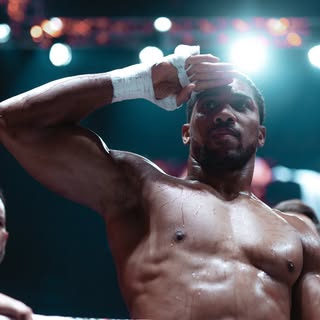
- Anthony Joshua: the stored profile lists Fitness and Sports with United Kingdom country and TikTok, YouTube and Instagram accounts. Fitness and country establish eligibility; Sports is an additional recorded category, not evidence of a football audience.
- Lilly Sabri: the stored profile lists Education and Fitness with United Kingdom country and YouTube accounts. The record supports inclusion, while instructional quality and programme suitability still require proposal-level assessment.
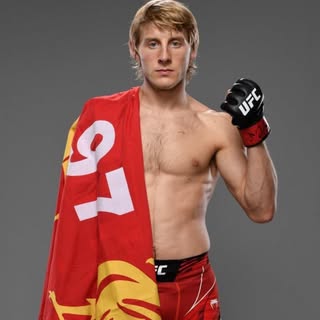
- Paddy Pimblett: the stored profile lists Fitness and Sports with United Kingdom country and TikTok and Instagram accounts. These fields justify consideration, not assumptions about challenge performance or brand approval.
Keep eligibility separate from selection
Every linked profile is the source for the limited stored facts attributed to that candidate. None of these records supplies rates, engagement results, follower totals, audience demographics, licensing terms or availability. Do not fill those gaps using sporting reputation or a photograph.
A defensible shortlist has two layers: a fixed eligibility record and a separate proposal assessment. Preserve the original country-and-category reason for inclusion, then add only evidence received for the specific brief. This prevents an attractive treatment from being mistaken for evidence of an equivalent audience or an equivalent outcome.
Turn workout programmes into a repeatable media schedule
Buy a sequence that works without borrowed club identity
A workout-led brief inspired by the Manchester City reference should specify what the sequence teaches, how demanding it is intended to be and what equipment is required. Avoid instructions such as “train like the team” unless the necessary substantiation and permissions exist. A clearer commission is a football-adjacent movement series with explicitly described exercises, participant adaptations and no suggestion of official club involvement.
The deliverable should be assessable before publication. Request a treatment showing the opening explanation, demonstration order, recovery cues and closing action. Ask how each instalment remains useful to someone who did not see the previous one. A sequence can still have progression, but important safety information must not disappear simply because an earlier episode contained it.
A proposed programme cadence
The following is a planning template, not a statement about any candidate's publishing habits. The actual schedule should be agreed against the chosen production scope and campaign dates.
| Publishing moment | Asset purpose | Required production element | Buyer approval gate |
|---|---|---|---|
| Before the sequence | Explain participation and equipment | Clear expectations and adaptations | Scope and safety review |
| Opening instalment | Establish the basic movement pattern | Demonstration and technique cues | Instructional review |
| Middle instalment | Introduce agreed progression | Recap and lower-demand option | Progression review |
| Closing instalment | Consolidate the routine | Complete sequence and next action | Final message review |
Commission production continuity
- Define one programme objective and an intended participant starting point without assigning demographic traits to a creator's audience.
- Approve the exercise inventory, equipment list, location and adaptation language before filming.
- Agree how horizontal, vertical and short cutdowns preserve essential instruction.
- Schedule reviews around production dependencies rather than assuming a creator's normal posting rhythm.
- Set the reporting window and decide whether completion, qualified visits or another observable action is the principal measure.
Protect instruction during edits
For UK-facing distribution, require understandable spoken instructions, readable captions and an explicit language specification in the brief. A condensed edit must retain the information needed to interpret the movement responsibly. Do not let a short runtime remove a key limitation or turn a demonstration into an unexplained performance clip.
For the Manchester City reference, this production discipline matters more than surface resemblance. The buyer is commissioning a useful Fitness programme, not purchasing presumed access to football supporters. Score proposals on the sequence, production clarity and rights offered, while leaving unsupported audience assumptions outside the assessment.
Give nutrition content a stricter commissioning gate
Separate education from a product promise
Nutrition content introduces a different buying problem from exercise demonstration. A visually strong explanation can still be unsuitable if it implies an unsupported benefit. For a Manchester City-referenced brief, terms such as match preparation, recovery and performance deserve particular attention because they can convert an ordinary food discussion into a claim about physical outcomes.
No candidate's stored Fitness category establishes nutrition qualifications or competence. If the proposed content requires specialist input, specify the required reviewer and their responsibilities in the commission. Do not infer expertise from a sporting name, an additional Education category or a polished sample. Evaluate the proposed script and the supporting material for the particular message being purchased.
Use a claims register before scripting
Create a register with one entry for every express or implied benefit. Include the proposed wording, the product or ingredient concerned, the supporting reference, the intended placement and the person responsible for approval. Where a nutrition or health claim is proposed for UK advertising, assess it against the applicable requirements for the intended market and product. Do not treat a disclaimer as permission to retain an unsupported headline.
- Identify statements about energy, recovery, hydration, weight management and physical performance before the first script review.
- Separate general meal-planning education from claims attached to a named product.
- Flag visual implications, including before-and-after arrangements or edits suggesting a transformation.
- Require approval for captions, thumbnails, overlays and spoken wording, not only the main script.
- Remove language implying that Manchester City or another named organisation recommends the product unless separately authorised.
A practical nutrition-content package
A buyer could request a main explanatory video, a short recap and a static summary of the approved information. That is a proposed package, not an assertion that any listed creator produces those formats. Define whether ingredients, preparation steps and portions are essential teaching details or merely supporting visuals. Decide who supplies the evidence and who bears responsibility for updating the draft when the claim changes.
Keep commercial clarity visible
Advertising disclosure belongs in the production plan from the beginning. The final content should make its commercial nature clear in the relevant format rather than rely on viewers finding a profile biography or a distant caption note.
For this market, useful nutrition media buying means controlling what the content actually communicates. Avoid performance shorthand borrowed from football culture when the purchase is simply an educational asset. Approval should follow the final meaning of the content, including pictures and context, rather than the buyer's intended meaning alone.
Design challenge formats around safe participation and moderation
Participation is a production system, not just a hook
A challenge-format brief can be relevant to a Manchester City-inspired Fitness campaign without claiming a shared supporter base. The commission might invite viewers to repeat a simple movement sequence, record a personal practice session or complete an accessible activity task. Those are creative options for the buyer to evaluate, not descriptions of any candidate's established content.
The participation mechanic must be understandable in a single viewing. Specify the action, permitted variations, equipment, completion criteria and submission route. Avoid making extreme exertion, physical discomfort or public risk the route to recognition. A football-adjacent visual theme does not justify exercises or environments that are inappropriate for unsupervised imitation.
Plan the whole participation cycle
- Write the challenge in plain language and test whether a person unfamiliar with the campaign can explain it back accurately.
- Identify foreseeable unsafe interpretations, including unsuitable surfaces, excessive repetitions and imitation with inappropriate equipment.
- Approve a demonstration that shows the standard action and an agreed lower-demand version where appropriate.
- Publish participation and moderation rules before inviting submissions.
- Define who reviews responses, who escalates safety concerns and who can pause further promotional activity.
- Obtain the required permissions before featuring participant content in brand assets or paid placements.
A cadence built around responses
Start with a clear demonstration, allow a defined participation window, then publish a reminder only if it serves the brief. A closing asset can summarise approved participation without declaring unsupported fitness improvements. The contract should identify whether response videos, comment replies or participant highlights are included deliverables or separately scoped work.
For UK-facing publication, use an explicitly stated time zone for deadlines and a clear explanation of submission conditions. If the campaign introduces prizes or a promotion, commission a separate review of the relevant terms rather than attaching an improvised giveaway to an already approved Fitness video.
Distinguish participation rights from creator rights
A licence covering the commissioned creator's video does not automatically authorise reuse of viewer submissions. Keep those permissions in a separate record. Where minors may appear, define a suitable handling process before collection or republication rather than improvising after a popular response arrives.
Challenge evaluation should reward comprehensible mechanics, controllable production and manageable moderation. It should not reward a proposal merely because its sporting imagery resembles the Manchester City reference. The media purchase is the agreed activation system: demonstration, distribution, response handling and authorised reuse.
Specify United Kingdom delivery without assuming audience location
A stored country field is not an audience map
The United Kingdom country field establishes catalogue eligibility for this guide. It does not establish where a candidate's viewers live, which languages they use or whether they are reachable through a particular campaign placement. The same distinction applies to the Manchester City reference: a name associated with a market is not audience evidence for a media plan.
Define whether the campaign seeks UK delivery specifically or global distribution with UK-relevant creative. These are different purchases. A UK-focused brief needs a clear basis for assessing relevant exposure. A global brief may accept distribution beyond the United Kingdom, but should still specify product availability, destination pages, permitted claims and the territories covered by the licence.
Request evidence appropriate to the buying decision
Ask the proposed partner for audience evidence relevant to the selected account, format and measurement period. The request can include platform-generated country breakdowns, the dates covered, whether the figures describe followers or viewers and which placements they represent. Record limitations rather than treating an account-wide figure as proof about a particular future post. This is a brand-requested evidence process, not a claim that CreatorFanBase verifies audiences.
| Buying question | Evidence the brand should request | Planning consequence |
|---|---|---|
| Is UK delivery central? | Relevant geographic breakdown and its basis | Decide whether the organic plan supports the brief |
| Is a specific format required? | Placement-specific evidence where supplied | Avoid transferring assumptions across formats |
| Will paid distribution be used? | Proposed targeting controls and reporting access | Separate paid targeting from organic distribution |
| Is global reuse intended? | Territorial permissions and market restrictions | Adjust the licence and creative versions |
Make the creative locally usable
For a UK Fitness brief, specify caption language, measurement units, deadline time zone, landing-page market and any geographical limits on the offer. If a workout references football viewing occasions, describe the intended timing in the campaign schedule rather than assuming all viewers follow the same calendar. Confirm any event-related language independently before approval.
Keep organic and paid geography separate
Paid distribution can have a different geographic scope from the original creator post. If paid use is part of the purchase, state its targeting territory and obtain the necessary permissions. Report its results separately so the buyer does not mistake paid UK targeting for evidence about the creator's organic audience.
The result is a media plan with visible assumptions. Country eligibility remains simple, while the actual delivery decision rests on evidence requested for the particular campaign.
Write a cadence agreement that survives schedule changes
Specify publishing obligations rather than presumed habits
Stored platform listings do not establish posting frequency. A Manchester City-referenced Fitness brief therefore needs its own publishing agreement, including asset count, placement, sequencing, approval deadlines and live-post obligations. Do not describe a candidate as a frequent publisher or assume a creator can accommodate football-related timing based on the catalogue fields.
Begin with the dependency chain. Workout content may require exercise approval before filming. Nutrition content may require claims approval before scripting is final. Challenges may require moderation staffing before the launch post. A cadence that ignores these dependencies can produce a formally punctual campaign that is operationally incomplete.
Build three clocks into the brief
The production clock covers treatment, script, filming and revisions. The publishing clock covers agreed release windows, sequence and any required spacing between assets. The reporting clock covers the observation period and the date on which agreed evidence is delivered. Keep these clocks distinct so a reporting deadline does not accidentally shorten the performance window or a delayed review does not silently shift a launch.
- Record deadlines in UK local time with the relevant time-zone convention made explicit.
- Name the brand approver and a replacement decision-maker for absences.
- Define the number and scope of included revision rounds.
- State whether caption changes, replacement files and new filming are treated differently.
- Specify how delayed approvals affect publication windows.
- Agree escalation and pause procedures for material safety, rights or disclosure issues.
Use conditional football timing carefully
If the buyer wants the campaign near a football-related occasion, express that as a requested scheduling condition, subject to the separately agreed contract. Do not imply access to Manchester City's calendar, premises, players or official communications. Build a neutral fallback version that still works if the sporting reference is removed or the campaign timing changes.
Protect the sequence when one asset moves
For a workout programme, a later episode may depend on an earlier explanation. For a challenge, a reminder may be useless after submissions close. For nutrition content, an outdated product reference may require a substantive revision. The schedule should identify which assets can move independently and which trigger a review of the whole sequence.
A useful cadence agreement also states the required live period and the process for handling broken links, technical errors or necessary removals. Those terms should be negotiated, not assumed. The goal is dependable execution of the purchased media package, without predicting a candidate's availability or normal publishing behaviour.
Price the rights specification before comparing proposals
Separate the content fee from the permission to use it
USD is the brief's budgeting currency here, not a source of supplied price estimates. No recorded candidate fact includes a rate. Use a common commercial worksheet so each proposal states what the payment covers: production, publication, usage permissions, paid distribution permissions, revisions and any agreed exclusivity. A total without that scope is difficult to compare meaningfully.
For a Manchester City-inspired Fitness campaign, rights clarity is especially important because a creative treatment can introduce sporting symbols or footage that the buyer does not control. Permission from a commissioned creator does not automatically clear a club badge, broadcast clip, music track, venue mark or third-party appearance. Identify each element and its clearance owner before finalising the production plan.
A rights matrix for the brief
| Rights item | What to specify | Why it changes the purchase |
|---|---|---|
| Organic brand reuse | Named channels, term and territory | Defines where the brand may republish |
| Paid media use | Placements, term, territory and authorisation method | Separates advertising use from ordinary reposting |
| Editing rights | Cropping, captions, cutdowns and substantive changes | Protects meaning while allowing production variants |
| Source materials | Raw footage, project files or final exports | Clarifies what the buyer actually receives |
| Exclusivity | Precisely defined category, territory and period | Prevents an open-ended restriction |
| Third-party assets | Asset list and permission owner | Exposes rights not covered by the creator agreement |
Compare like-for-like scope, not assumed value
Ask each proposal to use the same deliverables and rights headings. If one includes a longer usage term or additional edits, record that difference rather than treating the headline totals as directly interchangeable. Do not label a candidate a cheaper replacement for Manchester City or suggest equivalent outcomes. The comparison is between documented commercial packages for the buyer's own brief.
Protect the final meaning of Fitness content
Editing rights need boundaries. A workout cutdown should not remove essential instruction; a nutrition edit should not change the scope of an approved claim; a challenge excerpt should not omit the conditions that make participation intelligible. Reserve review for edits that alter meaning, even where ordinary resizing and caption placement are permitted.
Keep an expiry record for every licensed asset. State what happens to active paid placements, scheduled reposts and hosted copies when the term ends. This turns licensing from a paragraph at the end of procurement into an operational tool for the campaign team.
Use a Manchester City-reference brand-safety and measurement scorecard
Screen the proposal, not a presumed personality match
Brand safety for this brief should address the actual assets and their context. Check misleading club association, unsafe movement, unsupported nutrition claims, advertising disclosure, third-party rights and participant treatment. A sporting name or Fitness category does not resolve those questions. Apply the same proposal review to every eligible candidate and record the evidence behind each decision.
For the Manchester City reference, include an explicit association check. Would the script, styling, caption or landing page lead a reasonable viewer to infer club approval or an official relationship? If the brand lacks the relevant permission, remove that implication. Neutral training language is often more precise than a phrase that borrows authority from an organisation outside the contract.
A scorecard with hard gates
- Confirm that the shortlist entry meets the stored United Kingdom and Fitness eligibility rule.
- Assess the proposed format against the brief's principal action: follow, understand or participate.
- Review safety, claims, disclosures and rights as approval gates rather than compensable scoring weaknesses.
- Evaluate the production plan, publishing schedule and moderation responsibilities.
- Review brand-requested audience evidence against the intended geography without assuming equivalence to the anchor.
- Compare the documented commercial scope and measurement plan before making a selection.
Measure the purchased job
For a workout programme, the buyer might prioritise viewing progression, completion signals or visits to a programme destination. For nutrition content, useful measures might include qualified visits to the approved information page and checks that published wording matches the approved claim. For a challenge, define a qualifying participation event and exclude submissions that do not meet the rules. These are proposed measurement choices, not predicted results.
Separate organic reporting, paid reporting and brand-site activity. Define denominators and observation windows before publication. A view, a click and a valid submission are different events; combining them into an undefined success score makes comparison harder. Where attribution is limited, report that limitation directly rather than assigning conversions to exposure without evidence.
Treat search demand as unknown
Semrush returned no volume data for this query. That does not establish zero demand, strong demand or emerging demand. Treat search demand as unknown and justify the campaign using the brand's stated objective, available evidence and a controlled measurement plan. No search-volume forecast should be inserted to make the shortlist appear more certain.
The scorecard should end with documented reasons to proceed, revise or reject the proposal. It is a procurement record, not a ranking of personalities or a promise of equivalent media performance.
Route the approved brief through the right CreatorFanBase buying path
Choose discovery or separately scoped managed support
CreatorFanBase is a managed creator marketplace. Discovery subscriptions offer country, category, platform, language and follower-range filters, shortlists and CSV export. Use Find campaign creators to begin discovery and Review plans to assess the subscription options. For this guide's eligibility rule, start with United Kingdom and Fitness; use supplied platform information to shape the requested distribution rather than claiming equivalent audiences.
CFB Agency separately quotes outreach, availability checks and negotiation. Use Get a campaign quote when the brief needs that managed service. A discovery shortlist is not a booking, and an Agency enquiry is not evidence that a named candidate has accepted the work. Keep the buying decision tied to the agreed service scope and the eventual campaign contract. These are distinct buying paths, not interchangeable promises.
Send a brief that can produce comparable proposals
The handoff should contain the reference profile, the chosen Fitness format, the country-and-category eligibility rule and the actual campaign objective. Include the intended UK or global delivery scope, the brand-requested audience evidence, the deliverables, the production dependencies and the USD budget framework. State clearly that USD is the planning currency and that candidate prices must come from proposals rather than this guide.
The final commissioning packet
Include a creative treatment outline, a cadence worksheet, a rights matrix, a claims register where relevant and a measurement specification. For a challenge, add participation rules and a moderation owner. For a workout sequence, add the instructional progression and adaptation requirements. For nutrition, add the approval owner and the supporting-evidence process. The packet should explain what a satisfactory response looks like without prescribing unsupported facts about the creator.
Record decisions in a reusable comparison note
For each response, record the eligible catalogue basis, the proposed execution, material exclusions, rights offered, required brand inputs and unresolved contractual points. Distinguish a missing answer from an unfavourable answer. Do not replace unanswered questions with assumptions based on the Manchester City reference or the candidate's public recognition.
Before committing, check that every necessary operational role has an owner: approvals, rights clearance, paid-media setup, moderation, reporting and asset expiry. Then confirm the final scope through the relevant agreement. This closes the guide's central loop: start with workout, nutrition or challenge mechanics; shortlist only on stored United Kingdom and Fitness eligibility; and buy a documented media package rather than a presumed personality match.
Questions about creators like Manchester City
What does “influencers like Manchester City” mean in this guide?
It means candidates considered for a Fitness media brief using Manchester City as the reference profile. Eligibility is based only on stored United Kingdom country and Fitness category fields. It does not mean similar personalities, shared audiences, club relationships, comparable reach or equivalent campaign results.
Which candidates meet the stated catalogue rule?
The supplied records identify Manchester United, Gareth Bale, Anthony Joshua, Lilly Sabri and Paddy Pimblett with United Kingdom country and Fitness categories. Their linked profiles in the guide are the sources for those limited stored facts. Inclusion does not establish suitability for a specific script, commercial agreement or campaign objective.
Why lead with workout programmes, nutrition and challenges?
Each format purchases a different viewer experience and requires different controls. Workout programmes need instructional continuity, nutrition needs claims review, and challenges need participation rules and moderation. Choosing the format first makes proposals easier to assess without relying on presumed sporting affinity or a personality resemblance to the reference.
Does a United Kingdom catalogue country establish a UK audience?
No. The stored country field supports catalogue eligibility, not a conclusion about viewer location. For UK-focused delivery, the brand should request relevant audience evidence with its reporting period, account and metric basis. Organic distribution and paid geographic targeting should then be assessed separately in the media plan.
Can these candidates be used for a global campaign?
A global brief can be proposed, but the stored records do not establish global audience reach or territorial permissions. Request evidence relevant to the intended distribution and specify territories in the licence. Also check that product offers, landing pages, captions and claims are appropriate for the markets actually targeted.
What platform information is recorded for Manchester United?
The supplied Manchester United record lists TikTok, YouTube and Instagram accounts, alongside Fitness and United Kingdom country. That supports asking for a proposal involving those listed platforms. It does not establish current account status, posting cadence, format performance, audience geography or permission to reuse any account's content.
How should Gareth Bale be considered for this brief?
The supplied record lists Fitness, United Kingdom country and Instagram accounts. That provides the catalogue basis for consideration and an Instagram-oriented proposal request. Selection should depend on the actual treatment, deliverables, rights and commercial terms, not assumptions about football audiences or a relationship with the Manchester City reference.
Does Anthony Joshua's Sports category improve the match?
Not under this guide's matching rule. Anthony Joshua qualifies through stored Fitness and United Kingdom fields; Sports is an additional recorded category. The listed TikTok, YouTube and Instagram accounts inform possible proposal scope, but they do not demonstrate football audience overlap or make a specific Fitness treatment suitable.
Does Lilly Sabri's Education category establish instructional expertise?
No. The stored Education and Fitness categories, United Kingdom country and YouTube accounts are catalogue facts, not a qualification assessment. For an instructional commission, request the proposed teaching approach, movement sequence and safety review process. Assess those materials against the particular programme rather than inferring competence from a category label.
Is Paddy Pimblett automatically a challenge-format choice?
No. The stored record lists Fitness and Sports, United Kingdom country, and TikTok and Instagram accounts. It supplies no challenge-performance evidence. A challenge proposal should be evaluated on demonstration clarity, participation rules, production requirements and moderation responsibilities, using the same criteria applied to the other eligible candidates.
What evidence date applies to the creator facts?
The stored evidence date is 2026-10-18. It identifies the catalogue evidence used for the limited country, category and platform statements in this guide. It does not prove present-day account status or establish current commercial terms, publishing practices, audience composition or a candidate's willingness to accept a campaign.
How should a buyer set posting cadence?
Build cadence from the commissioned sequence and its dependencies. Agree production reviews, publication windows and reporting dates separately. A workout progression, nutrition approval process and challenge participation window create different scheduling needs. Do not infer normal posting frequency or scheduling flexibility from a stored platform listing.
Can a brief refer to Manchester City's training or players?
Do not imply access, approval or knowledge that the buyer cannot substantiate. Specify neutral football-adjacent movement or training atmosphere instead. Any use of protected assets, player likenesses, official language or third-party footage needs its own permissions assessment; a creator agreement alone does not resolve those rights.
What should a nutrition approval checklist cover?
Review spoken claims, captions, overlays, thumbnails and visual implications together. Record supporting material, the approval owner and the intended market for each proposed benefit. Keep product claims distinct from general education, make advertising identifiable and remove unsupported performance or recovery implications rather than attempting to repair them with disclaimers.
What makes a Fitness challenge brief operationally complete?
It identifies the action, permitted variations, equipment, completion rules, submission route and participation window. It also assigns moderation, escalation and permissions responsibilities. If participant content will be republished, obtain the necessary rights separately. A creator's demonstration licence does not automatically cover footage submitted by viewers.
Which licensing terms matter most for these campaigns?
Specify channels, territories, duration, organic reuse, paid use, editing permissions and any exclusivity. Clarify whether raw footage is included and identify third-party assets requiring separate clearance. For Fitness content, ensure edits cannot silently remove important instruction, participation conditions or limitations attached to an approved nutrition claim.
Are the budget references supplied creator prices?
No. USD is the brief's budgeting currency, not a set of price estimates. The recorded facts contain no rates. Ask for proposals that separate production, publication, usage permissions and other agreed services, then compare documented scope without presenting any candidate as a cheaper Manchester City replacement.
How should proposals be compared without engagement figures?
Compare the evidence actually supplied: treatment quality, instructional clarity, rights scope, production plan, schedule, safety controls and measurement design. Request relevant campaign evidence where needed, but leave unanswered fields visible. Do not manufacture engagement estimates or substitute public recognition for evidence about the proposed media package.
Does missing Semrush volume mean there is no demand?
No. Semrush returned no volume data for this query, so demand should be treated as unknown. The absence of a figure does not support a zero-demand conclusion or a growth claim. Base the commissioning decision on the brand's objective and an explicit measurement plan instead.
What should count as success for a workout programme?
Choose measures that reflect the commissioned job, such as viewing progression, completion signals or qualified visits to the programme destination. Define the reporting window and metric basis before publication. Avoid treating those signals as proof of improved fitness or attributing downstream purchases without an appropriate measurement basis.
How can the buyer avoid implying an endorsement?
Review the combined effect of wording, styling, logos, footage and landing pages. Remove language or imagery suggesting Manchester City or another organisation approves the campaign unless that relationship is authorised. Candidate inclusion in a shortlist is a catalogue decision, not evidence of personal endorsement or commercial acceptance.
What should be settled before a campaign is commissioned?
Settle the format, deliverables, approval process, publication windows, rights, claims controls, moderation duties and reporting specification. Assign owners for third-party clearance and asset expiry. Confirm the commercial agreement from the actual proposal, while keeping catalogue eligibility separate from assumptions about audience delivery or predicted campaign outcomes.
More campaign comparison guides
- YouTubers like MrBeast
- Influencers like Emma Chamberlain
- influencers like Charli D'Amelio
- influencers like Kevin Hart
- influencers like Zendaya
- YouTubers like Dude Perfect
- influencers like Cristiano Ronaldo
- influencers like Lionel Messi
- influencers like Selena Gomez
- influencers like Dwayne Johnson
- influencers like Kylie Jenner
- influencers like Justin Bieber
- influencers like Virat Kohli
- influencers like Neymar Jr
- influencers like Khaby Lame
- influencers like LeBron James
- influencers like Kylian Mbappé
- influencers like Shakira
- influencers like Lisa
- influencers like Shraddha Kapoor
- influencers like Dua Lipa
- influencers like David Beckham
- influencers like Willie Salim
- influencers like Kimberly Loaiza
- influencers like Georgina Rodríguez
- influencers like Burak Özdemir
- influencers like Emma Watson
- influencers like Jacqueline Fernandez
- influencers like Anitta
- influencers like Like Nastya
- influencers like Instagram
- influencers like João Cancelo
- influencers like Pepe
- influencers like Vlad and Niki
- influencers like 5-Minute Crafts
- influencers like Alejo Igoa
- influencers like Sergio Leonel Agüero
- influencers like Kim Kardashian
- influencers like Jennifer Lopez
- influencers like Ariana Grande
- influencers like Nike
- influencers like Khloé Kardashian
- influencers like T-Series
- influencers like Drake
- influencers like Sony SAB
- influencers like Rohit Sharma
- influencers like National Geographic
- influencers like Canal KondZilla
- influencers like SET India
- influencers like Real Madrid C.F.
- influencers like iPantellas
- influencers like Chiara Ferragni
- influencers like WWE
- influencers like FC Barcelona
- influencers like Stokes Twins
- influencers like Zinedine Zidane
- influencers like Kika Kim
- influencers like Gusein Gasanov
- influencers like KAROL G
- influencers like UEFA Champions League
- influencers like PewDiePie
- influencers like Minecraft
- influencers like Narendra Modi
- influencers like Grammy Gold Official
- influencers like Gal Gadot
- influencers like BLACKPINK
- influencers like Priyanka Chopra Jonas
- influencers like Gaming
- influencers like Ed Sheeran
- influencers like Premier League
- influencers like Ruben Onsu
- influencers like Raffi Ahmad & Nagita Slavina
- influencers like FIFA World Cup
- influencers like Fede Vigevani
- influencers like Dominik Lipa
- influencers like Ronaldinho
- influencers like Ester Expósito
- influencers like Karim Benzema
- influencers like HAR PAL GEO
- influencers like Vilmei
- influencers like Nusret Gökçe (Salt Bae)
- influencers like Yolo Aventuras
- influencers like Rod Contreras
- influencers like Jason Statham
- influencers like Sergio Ramos
- influencers like ARY Digital HD
- influencers like Sunny Leone
- influencers like Paris Saint-Germain
- influencers like Manchester United
- influencers like Larissa Manoela
- influencers like CHANEL
- influencers like Juventus
- influencers like Mikecrack
- influencers like Chris Hemsworth
- influencers like Whindersson Nunes
- influencers like JuegaGerman
- influencers like Shfa
- influencers like Shfa Show India
- influencers like Virginia Fonseca
- influencers like Jude Bellingham
- influencers like Ayu Tingting
- influencers like Jess No Limit
- influencers like Shfa
- influencers like Shrouq Sunshine
- influencers like Bayashi_バヤシ
- influencers like Kimagure Cook
- influencers like HOMA
- influencers like Adaliatta
- influencers like Bad Bunny
- influencers like Techno Gamerz
- influencers like Lele Pons
- influencers like Sachin Tendulkar
- influencers like Fabrizio Romano
- influencers like Tamer Hosny
- influencers like GUCCI
- influencers like James Rodríguez
- influencers like Ryan Reynolds
- influencers like Toni Kroos
- influencers like Felipe Neto
- influencers like Alan Walker
- influencers like Nick DiGiovanni
- influencers like Luis Suárez
- influencers like Maisa Silva
- influencers like Niana Guerrero
- influencers like Conor McGregor
- influencers like Cha Eun-woo
- influencers like Pokémon Kids TV
- influencers like Khabib Nurmagomedov
- influencers like Noel Robinson
- influencers like Younes Zarou
- influencers like Beyoncé
- influencers like Kendall Jenner
- influencers like Katy Perry
- influencers like Cardi B
- influencers like Demi Lovato
- influencers like Chris Brown
- influencers like Ellen DeGeneres
- influencers like Billie Eilish
- influencers like Alan Chikin Chow
- influencers like Bella Poarch
- influencers like A4
- influencers like JENNIE
- influencers like Addison Rae Easterling
- influencers like Alia Bhatt
- influencers like JISOO
- influencers like Katrina Kaif
- influencers like Deepika Padukone
- influencers like Gigi Hadid
- influencers like Justin Timberlake
- influencers like Adele
- influencers like Anushka Sharma
- influencers like Akshay Kumar
- influencers like IShowSpeed
- influencers like Camila Cabello
- influencers like Disha Patani
- influencers like JIMIN (BTS)
- influencers like Bella Hadid
- influencers like Hailey Bieber
- influencers like j-hope (BTS)
- influencers like Jin of BTS
- influencers like Huda Kattan
- influencers like Joko Widodo
- influencers like Dixie D'Amelio
- influencers like Jannat Zubair Rahmani
- influencers like Ben Azelart
- influencers like Gareth Bale
- influencers like Brent Rivera
- influencers like Daddy Yankee
- influencers like Jesse
- influencers like Dushyant Kukreja
- influencers like J Balvin
- influencers like Harry Styles
- influencers like Brooke Monk
- influencers like Hrithik Roshan
- influencers like Kartik Aaryan
- influencers like Enaldinho
- influencers like Frost Diamond
- influencers like Badabun
- influencers like Dove Cameron
- influencers like JoJo Siwa
- influencers like CarryMinati
- influencers like Gusttavo Lima
- influencers like Bruno
- influencers like Hardik Pandya
- influencers like Anne Hathaway
- influencers like Jennifer Aniston
- influencers like Bruno Mars
- influencers like Kapil Sharma
- influencers like Junya
- influencers like Joe Albanese
- influencers like French Montana
- influencers like Jason Derulo
- influencers like Donato
- influencers like Chris Pratt
- influencers like Bruna Marquezine
- influencers like Barack Obama
- influencers like Andrés Iniesta
- influencers like Antonela Roccuzzo
- influencers like Gordon Ramsay
- influencers like Britney Spears
- influencers like Avani Gregg
- influencers like elrubiusOMG
- influencers like Blake Lively
- influencers like James Charles
- influencers like Chrissy Teigen
- influencers like Antoine Griezmann
- influencers like Fuji An
- influencers like Katherine Langford
- influencers like Curtis Jackson
- influencers like Jordan Matter
- influencers like Cara Delevingne
- influencers like DJ Khaled
- influencers like Gisella Anastasia
- influencers like Anushka Sen
- influencers like Jenna Ortega
- influencers like Beast Reacts
- influencers like Anuel AA
- influencers like Crazy XYZ
- influencers like Ariel Rebecca Martin
- influencers like Amitabh Bachchan
- influencers like Ivete Sangalo
- influencers like Carlinhos Maia
- influencers like Felix Lee
- influencers like Kiara Advani
- influencers like BRIANDA 💖
- influencers like Becky G
- influencers like Hyunjin
- influencers like Ibnu Wardani
- influencers like Benji Krol
- influencers like Dream
- influencers like Taylor Swift
- influencers like Nicki Minaj
- influencers like Kourtney Kardashian
- influencers like NASA
- influencers like Vin Diesel
- influencers like Snoop Dogg
- influencers like NBA
- influencers like Zach King
- influencers like ROSÉ
- influencers like BTS
- influencers like The Weeknd
- influencers like Will Smith
- influencers like V (BTS)
- influencers like Victoria's Secret
- influencers like Neha Kakkar
- influencers like Sony Music India
- influencers like YRF
- influencers like Salman Khan
- influencers like Millie Bobby Brown
- influencers like Tom Holland
- influencers like Shawn Mendes
- influencers like Urvashi Rautela
- influencers like Marshall Mathers
- influencers like Marcelo Vieira
- influencers like Marvel Entertainment
- influencers like Saregama Music
- influencers like Vinícius Júnior
- influencers like Maluma
- influencers like MrBeast 2
- influencers like ZARA
- influencers like Lady Gaga
- influencers like MrBeast Gaming
- influencers like Lamine Yamal
- influencers like Robert Downey Jr.
- influencers like Leonardo DiCaprio
- influencers like Travis Scott
- influencers like Kriti Sanon
- influencers like Zac Efron
- influencers like Michelle Obama
- influencers like Stephen Curry
- influencers like SUGA (BTS)
- influencers like Louis Vuitton
- influencers like Tata Werneck
- influencers like Prilly Latuconsina
- influencers like RM (BTS)
- influencers like Spencer X
- influencers like MR. INDIAN HACKER
- influencers like loren gray
- influencers like Sabrina Carpenter
- influencers like Rashmika Mandanna
- influencers like Zayn Malik
- influencers like UFC
- influencers like RICIS🧜♀️
- influencers like Kris HC
- influencers like Kris Jenner
- influencers like M S Dhoni
- influencers like Michael Le
- influencers like Barstool Sports
- influencers like Speed Records
- influencers like Shah Rukh Khan
- influencers like Shahid Kapoor
- influencers like Ranveer Singh
- influencers like Vanessa Hudgens
- influencers like Nora Fatehi
- influencers like Total Gaming
- influencers like Tyga
- influencers like Varun Dhawan
- influencers like TEDx Talks
- influencers like Sara Ali Khan
- influencers like Lewis Hamilton
- influencers like WorkpointOfficial
- influencers like SYAHRINI
- influencers like Olivia Rodrigo
- influencers like Sourav Joshi Vlogs
- influencers like Nicky Jam
- influencers like Parineeti Chopra
- influencers like CazéTV
- influencers like Surthany Hejeij
- influencers like Natasha Wilona
- influencers like Mia Khalifa
- influencers like Ruben Tuesta
- influencers like Lucas and Marcus Dobre-Mofid
- influencers like Wiz Khalifa
- influencers like Simone Mendes
- influencers like Marina Ruy Barbosa
- influencers like Wesley Safadão
- influencers like Nancy Ajram
- influencers like Madison Beer
- influencers like Tiger Shroff
- influencers like Mont Pantoja
- influencers like Sagawa /さがわ
- influencers like Ozuna
- influencers like Paolla Oliveira
- influencers like Madhuri Dixit
- influencers like Samantha Ruth Prabhu
- influencers like Marília Mendonça
- influencers like Luna Maya
- influencers like Luan Santana
- influencers like Raisa Andriana
- influencers like John Cena
- influencers like Rosanna Pansino
- influencers like itsallphoenix
- influencers like Caio Castro
- influencers like Sherri Shepherd
- influencers like Bhuvan Bam
- influencers like Claudia Winkleman
- influencers like Ploi Horwang
- influencers like Paul Stanley
- influencers like Feni Rose
- influencers like Joy
- influencers like Zoe Sugg
- influencers like SabryBeauty
- influencers like Zahide Yetiş
- influencers like Mardiah
- influencers like Sadhguru
- influencers like Pimtha
- influencers like Mark Rober
- influencers like Ella Daily Life
- influencers like NARS Cosmetics
- influencers like Nagore Robles
- influencers like Zanjoe Marudo
- influencers like PLAVE
- influencers like Giacomo Giorgio
- influencers like Logan Sargeant
- influencers like شوشو ريفيو (Shoshou Review)
- influencers like Rhett and Link
- influencers like Agata Dranga
- influencers like Popurrí de Viajes
- influencers like Martina Stoessel
- influencers like Maria Chike Benjamin
- influencers like Michelle Khare
- influencers like Selcuk Demir
- influencers like Sherihan
- influencers like Luísa Sonza
- influencers like Camille Razat
- influencers like Matthias Schweighöfer
- influencers like 서울 | Seoul_4K | South Korea
- influencers like Zharick León
- influencers like Eiji Akaso
- influencers like Osman Khalid Butt
- influencers like Joe Root
- influencers like Claudia Raia
- influencers like KSI
- influencers like Ninja
- influencers like Noemi Pernau
- influencers like Sidemen
- influencers like Aeril Zafrel
- influencers like Ahmad Mehranfar
- influencers like Camilla Fracasso
- influencers like Sanjeev Kapoor
- influencers like NRX MUSIC
- influencers like Little Big Toys
- influencers like Pokimane
- influencers like Dream English Education
- influencers like Chi Pu
- influencers like Amanda du-Pont
- influencers like Ashish Chanchlani
- influencers like Lena Situations
- influencers like Alina Yalanuzyan
- influencers like Pamela Reif
- influencers like Coach Mohab
- influencers like Lilly Singh
- influencers like Diala Makki
- influencers like Mohammed Khiari
- influencers like Kobo Kanaeru
- influencers like Caterina Valentino
- influencers like Mexi Music
- influencers like Malaysian Travel Blogger
- influencers like Kaka
- influencers like Aunty Ezekiel
- influencers like Jamie Oliver
- influencers like Ranveer Allahbadia
- influencers like Molly-Mae Hague
- influencers like MI Abaga
- influencers like Adal Ramones
- influencers like Lyna
- influencers like South Sydney Rabbitohs
- influencers like Jessica Kahawaty
- influencers like Pedri González
- influencers like Alessandra Fuller
- influencers like Anna-Maria Sieklucka
- influencers like MusicFromParis
- influencers like Somer Sivrioglu
- influencers like BUDDA
- influencers like Bimbo Ademoye
- influencers like Graham Stephan
- influencers like Serega Pirat (Sergei Malyar)
- influencers like HUM TV
- influencers like Marques Brownlee
- influencers like Kusha Kapila
- influencers like Ousmane Dembélé
- influencers like Hatsune Miku
- influencers like URBOYTJ
- influencers like Medikal
- influencers like Francy Popular
- influencers like Louane
- influencers like Cyril Hanouna
- influencers like Sebastián Villalobos
- influencers like Jerome Polin Sijabat ジェローム
- influencers like Shikhar Dhawan
- influencers like Casimiro Miguel
- influencers like Lojain Omran
- influencers like Nicki Nicole
- influencers like Mesut Can Tomay
- influencers like Ana Carolina Castillo
- influencers like Fashion MiMi Oficial
- influencers like Kureiji Ollie
- influencers like Technical Guruji
- influencers like Nobody Sausage
- influencers like Malena Guinzburg
- influencers like Felix Lobrecht
- influencers like Kenan Doğulu
- influencers like German Pezzella
- influencers like Ali Abdaal
- influencers like Alexxis Lemire
- influencers like Antonio Rüdiger
- influencers like Chau Bui
- influencers like Kenny Blaq
- influencers like Alejandra Baigorria A.
- influencers like Smile and Learn - English
- influencers like Georgia
- influencers like Matteo Darmian
- influencers like Medhat Saleh
- influencers like Carol Castro
- influencers like Tyla
- influencers like Nick van de Wall
- influencers like Gamer Ji
- influencers like yanan
- influencers like SIMBA..!🦁
- influencers like Kanchai Khemmawat
- influencers like Hasnaa Zalagh
- influencers like AKOTHEE KENYA
- influencers like Giorgio Magri
- influencers like DanTDM
- influencers like ديكور Sweet home
- influencers like АНИ ЛОРАК
- influencers like Kanna Hashimoto Manager
- influencers like Женский Юмор
- influencers like Takanashi Kiara
- influencers like Alina Eremia
- influencers like Mohanad AlHattab مهند الحطاب
- influencers like Bayan Alaguzova
- influencers like Jeremstar
- influencers like Joe Wicks
- influencers like Auron
- influencers like Joe Taslim
- influencers like Douglas Santos
- influencers like Aşkım Kapışmak
- influencers like Boyacoman
- influencers like Kuya PJ
- influencers like Tawanchai P.K.Saenchai
- influencers like Adiz Radjabov
- influencers like Denise Rosenthal
- influencers like Lex and Kris
- influencers like Mariano Pierantozzi
- influencers like Julia Child on PBS
- influencers like Ghaith&Cherana | غيث وشيرانا
- influencers like Liwon Gil
- influencers like Bahram Radan
- influencers like PITBULL FITNESS GYM
- influencers like Fred
- influencers like Usada Pekora
- influencers like Mónica Naranjo
- influencers like Natti Natasha
- influencers like Maite Delgado
- influencers like Ahmad Al Shugairi
- influencers like Poomjai Tangsanga
- influencers like Grace Kanklao Duaysian
- influencers like Andrés Guardado