

Start with the media job: screen presence, interview or premiere
Turn the Kris Jenner reference into a buying decision
A brief that asks for “influencers like Kris Jenner” can conceal three different purchases. One is a talent-led screen asset whose distribution must be specified. Another is an interview that gives a message room to develop. A third is a premiere-related moment whose value depends on timing and context. These are different production and media products, even when a buyer places them under one entertainment heading.
Use Kris Jenner’s profile as the named reference for the brief, not as evidence that another creator has matching viewers, commercial terms or creative behavior. Ask the brand team what the reference means operationally: recognizable on-screen presence, a moderated conversation, or an event-linked asset. The answer should change the deliverables rather than produce a personality ranking.
| Buying lane | What the buyer commissions | Evidence needed before selection | Main scope risk |
|---|---|---|---|
| Screen-talent reach | Talent-led assets plus a defined distribution plan | Relevant performance reporting and proposed placement details | Confusing screen recognition with measured distribution |
| Interview format | A conversation, edited feature or question-led series | Format examples and a workable question-and-approval process | Paying for conversation without securing useful edits |
| Premiere moment | Event-related capture and scheduled publication | Event permissions, capture conditions and distribution plan | Depending on access or timing that is not contracted |
Separate production value from distribution value
A polished asset is not automatically a reach buy. Likewise, a creator-published post is not automatically a reusable brand asset. Put production, creator publication, brand publication and paid distribution on separate lines. This makes it possible to compare proposals without treating unlike packages as interchangeable.
For an entertainment launch directed at the USA, the brief should identify the intended market and the evidence the brand needs to assess delivery there. Stored USA country is a catalogue selection field; it does not establish where an account’s viewers live. A global launch requires its own territory and distribution design rather than an assumption that a USA-listed creator supplies global coverage.
Decision gate before opening a shortlist
Write one primary buying sentence: “We need an interview package that explains the launch,” or “We need premiere-linked capture for an announced release window.” Then name one secondary output, such as a short edit for the brand’s account. If the team cannot agree on that sentence, candidate selection is premature. The most useful comparison is between proposals serving the same defined job, with differences in rights and distribution made explicit.
Build the candidate set from stored USA and Entertainment fields
Treat catalogue eligibility as a narrow, auditable rule
The candidate rule for this guide is stored USA country plus stored Entertainment category. Additional categories do not strengthen or weaken that match, and the named reference does not authorize assumptions about shared audiences. Platform fields describe recorded accounts that may inform a requested deliverable; they do not establish current account status, performance or campaign suitability.
The limited stored evidence is dated 2026-10-18. That date identifies the evidence used here, not proof of present-day accounts. The linked profiles are the sources for the following recorded facts. The page’s separately rendered catalogue table and candidate photos should remain the discovery display; this editorial discussion explains how to use the records without recreating a numerical comparison.
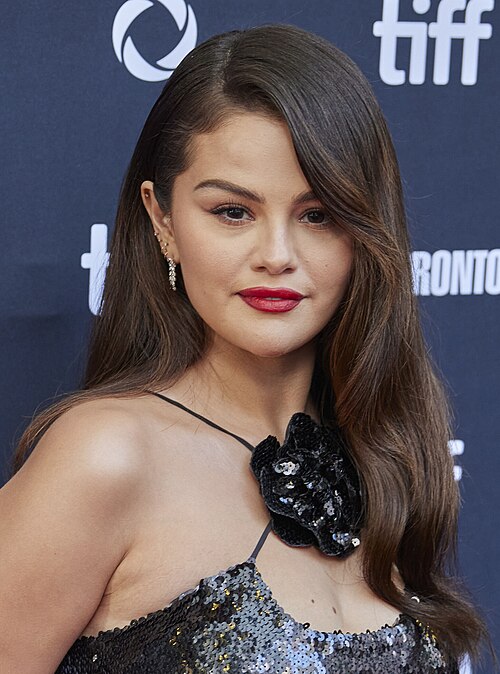
- Selena Gomez is recorded with USA country, Music, Entertainment and Beauty categories, and Tiktok, Youtube and Instagram accounts. She enters this candidate set through USA and Entertainment only.
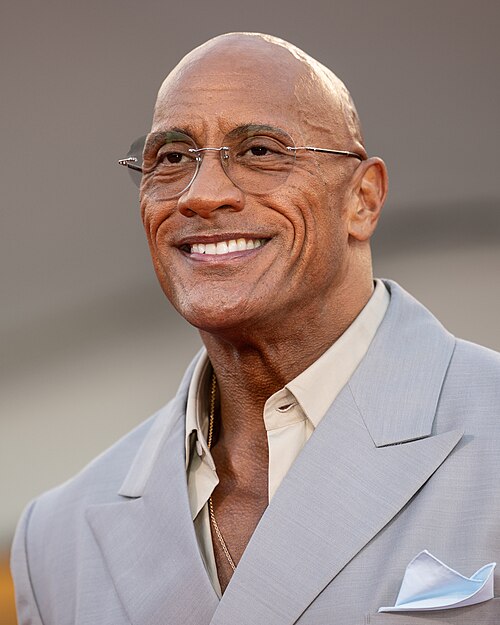
- Dwayne Johnson is recorded with USA country, Entertainment and Fitness categories, and Tiktok, Youtube and Instagram accounts. Fitness is additional catalogue context, not a reason to infer an entertainment audience profile.
- Jennifer Lopez is recorded with USA country, Music and Entertainment categories, and Tiktok and Instagram accounts. Those platform records can shape the channels named in an inquiry, without establishing format performance.
- Kourtney Kardashian is recorded with USA country, Entertainment category, and Tiktok, Youtube and Instagram accounts. The catalogue match does not establish similarity to the anchor beyond the stated fields.
- Katy Perry is recorded with USA country, Music and Entertainment categories, and Tiktok and Instagram accounts. No platform absent from this record should be added by inference.
Move from eligibility to a brief-specific inquiry
Each candidate can receive the same core entertainment assignment, adjusted only for supplied platform fields where relevant. Ask for a proposed format, requested deliverables, distribution information and rights terms. Do not rank candidates by imagined willingness to participate in interviews, attend premieres or deliver particular brand messages. Those are proposal questions, not stored facts.
Keep the shortlist explanation reproducible
A useful selection note reads: “Included because the record lists USA and Entertainment; Instagram is recorded and is a requested campaign channel.” An unhelpful note reads: “Closest audience to Kris Jenner.” The first can be traced to evidence. The second introduces an unsupported equivalence. Keep every subsequent comparison tied to information the brand requests for the actual campaign, and record unresolved questions as questions rather than converting them into favorable assumptions.
Write a screen-talent brief that does not confuse presence with reach
Specify what appears on screen and where it travels
For the screen-talent lane, translate the Kris Jenner reference into concrete creative requirements. The brief might request a direct-to-camera introduction to an entertainment title, a scripted transition into a trailer, or a short reaction to brand-supplied material. These are proposed assignments, not claims that any listed candidate has produced or would accept them.
The buying problem is to define both the asset and its circulation. “One video” leaves too much unanswered: whose account publishes it, what the frame contains, whether the brand can edit it, and whether paid media can distribute it. A creator’s presence in footage and the right to advertise with that footage should never be treated as the same item.
| Brief field | Screen-talent instruction to complete | Why it matters |
|---|---|---|
| Opening frame | Name the title, release or entertainment message that must be understood | Prevents a visually strong but commercially unclear opening |
| Talent action | Specify speaking, introducing, reacting or presenting | Makes the requested performance reviewable |
| Publication | Identify each proposed creator or brand channel | Separates production from distribution |
| Asset family | Request the master, aspect ratios, captions and agreed cutdowns | Defines what the brand actually receives |
| Media use | State whether organic use, paid use or both are requested | Opens a specific rights discussion |
| Success evidence | Identify the reports needed for the chosen objective | Avoids substituting fame for measurement |
Build a usable brief before requesting a proposal
- Describe the entertainment product and its USA release context without inventing a creator connection to it.
- Choose one primary message and identify any legally required wording.
- Define the proposed platform, publication owner and asset specifications.
- Separate requested paid rights from creator-posting deliverables.
- List the evidence needed to evaluate the proposed distribution.
A strong brief also says what is not being requested. If no personal recommendation is needed, do not write copy that implies one. If the talent is introducing a title rather than reviewing it, maintain that distinction through the script, caption and paid-media headline. The commercial message should remain accurate when separated from the original post.
Acceptance test for a usable screen asset
Before approval, view the asset without its surrounding proposal. Can a viewer identify the entertainment product, understand the intended action and distinguish the commercial relationship where disclosure is required? Then test each planned cutdown separately. A clear master does not guarantee a clear short edit. Make these review steps part of the scope so corrections address agreed requirements rather than an undefined standard of “more celebrity impact.”
Buy interviews as structured editorial inventory
Decide whether the interview explains, reveals or contextualizes
An interview brief needs a reason to exist beyond securing a recognizable participant. For a Kris Jenner–referenced entertainment campaign, the buyer should identify the information that a conversation can communicate better than a short scripted introduction. Possible assignments include explaining a release concept, discussing approved production material or guiding viewers through a title’s themes. None implies a personal relationship between the candidate and the entertainment property.
Specify whether the output is a complete conversation, a short edited feature or a set of question-led clips. Those structures produce different approval burdens and rights requirements. A long recording with no agreed edit plan can leave the brand with considerable footage but few assets it can publish confidently.
Use a question map instead of a vague talking-points sheet
Organize the proposed conversation into an opening, a message-development passage and a closing action. The opening establishes why the conversation is happening. The middle provides the explanation the campaign needs. The closing tells viewers where to find official information or the release itself, using only approved destination details.
- Mark questions that require factual answers supplied by the brand.
- Identify questions that invite opinion, and decide whether that opinion is necessary.
- Flag confidential material and topics outside the agreed scope.
- Specify whether a moderator, interviewer or off-camera prompt is required.
- Define which answers may become standalone clips and what context must remain attached.
These choices should be settled before recording. They prevent an edit from turning a contextual comment into an apparent personal recommendation. They also help the buyer assess whether the interview is genuinely needed or whether a simpler presentation format would communicate the message more accurately.
Protect meaning across the edit package
Request an edit outline that connects each proposed clip to its source passage. Where a short answer depends on the preceding question, retain the question in audio, on-screen text or another agreed form. Avoid headlines that make a broader claim than the answer supports.
The approval plan should distinguish factual corrections, legal changes and creative preferences. A correction to a release detail is different from asking for a new answer after recording. Define how either situation will be handled, including whether additional recording would require a revised scope. For USA publication, include disclosure placement, caption review and any campaign-specific legal requirements in the same workflow. An interview becomes a dependable media asset when context, permissions and edit boundaries are designed together, rather than negotiated only after a compelling answer has been captured.
Scope premiere moments around permissions and recoverable value
Treat event access as a dependency, not a creative assumption
A premiere-related brief can involve arrival capture, an approved interview position, a short event recap or an asset published around an entertainment release. These are possible buying formats, not evidence that any candidate will attend a particular event. The scope must identify who controls the venue, access, filming positions and publication conditions before the brand relies on a specific shot.
For a Kris Jenner–referenced USA entertainment brief, the useful question is not whether another creator can reproduce a perceived celebrity moment. It is whether the requested production can produce authorized, usable footage within the event’s operating conditions. The buyer should plan around the campaign’s information needs, not an imagined scene that depends on unconfirmed participants or encounters.
Build an event dependency sheet
| Dependency | Question for the brief owner | Alternative to define in advance |
|---|---|---|
| Entry and filming | Who grants access and approves the filming location? | A separately permitted capture setting |
| Background material | Can signage, screens, music and other attendees appear? | Controlled framing or cleared replacement material |
| Interview conditions | Is a usable sound setup and interview position permitted? | An agreed capture arrangement outside the event flow |
| Publication timing | Does an embargo or event rule restrict posting? | A release-aligned publication window |
| Brand presence | Where can the commercial relationship be disclosed? | Approved caption and on-screen treatment |
| Event change | What happens if the planned moment cannot be captured? | A contractually defined alternate deliverable or resolution |
Do not assume that permission to enter also grants commercial filming rights. Likewise, a creator’s permission to appear in an asset does not settle rights to music, entertainment footage or other recognizable people in the background. Assign responsibility for resolving each issue to a named party in the production plan.
Separate the moment from the deliverable
The event is a setting; the deliverable is an approved asset with defined publication and usage terms. Write acceptance criteria around what can be reviewed: duration, subject matter, sound intelligibility, required messaging, permitted visual elements and delivery format. Avoid promising a particular crowd response, spontaneous interaction or editorial pickup.
Recovery planning should preserve the campaign’s job rather than imitate the lost scene. If the objective is to introduce a release, an approved introduction captured elsewhere may be worth considering as an alternate scope. If the objective depends specifically on premiere context, a different asset may not solve it. Agree on that distinction before production so a changed event does not trigger an improvised argument about whether the brand received equivalent value.
Price the rights request before comparing the package
Make usage a visible part of the media specification
Two proposals can contain similarly described videos and still represent different purchases. One may permit only creator publication. Another may include brand organic use, paid distribution or a defined set of edits. A Kris Jenner–referenced entertainment brief should expose those differences before the buyer compares commercial terms. Otherwise, the comparison rewards whichever proposal leaves more rights unanswered.
Use USD as the brief’s budgeting currency when the buying team wants a common financial framework. That is a currency choice, not a supplied rate estimate. No creator prices are established by the catalogue facts in this guide. Ask for itemized commercial terms against a written scope rather than inferring a price from category, platform presence or public recognition.
| Rights dimension | What the buyer should request explicitly | What must not be assumed |
|---|---|---|
| Publication owner | Creator channels, brand channels or both | A creator post includes brand reuse |
| Paid distribution | Permitted placements and authorization method | Organic permission includes advertising |
| Territory | USA-only use or named additional territories | USA catalogue country defines licensing territory |
| Term | A defined start, end and any archival treatment | Assets may remain in active use indefinitely |
| Editing | Allowed cutdowns, captions, crops and combinations | Every transformation is permitted |
| Third-party elements | Responsibility for title clips, music and background rights | Talent permission clears all footage |
| Exclusivity | Precisely defined restricted category and period, if requested | Broad restrictions are included automatically |
Ask for a rights schedule alongside the asset list
- Identify every intended publisher and distribution channel.
- State the requested territory and campaign usage period.
- List the versions the brand intends to create from the master.
- Separate paid distribution permission from organic publication.
- Record exclusions, dependencies and approval requirements in the proposed agreement.
This schedule is particularly important when a launch asset may later become a trailer introduction, a retargeting edit or a brand-site feature. Those uses should be discussed as distinct permissions, not treated as inevitable extensions of the original assignment.
Audit the message after transformation
A rights grant should be read alongside the creative plan. Even an authorized crop or cutdown can change the apparent meaning of a statement. Ensure that captions, thumbnails and surrounding ad copy do not introduce an unsupported personal endorsement. Maintain required disclosures in the versions that need them. The buyer’s final review should ask both “May we use this version?” and “Does this version still say only what was approved?” Rights completeness and message accuracy are separate tests, and both matter.
Create an approval timeline that works backward from release
Use milestone gates rather than invented turnaround promises
Entertainment campaigns often have a fixed business moment: a release, announcement or premiere. That does not establish a creator’s review speed or production schedule. Build the timeline backward from the required publication window, then ask the relevant parties to agree to each milestone. Do not insert assumed turnaround times and present them as candidate commitments.
A Kris Jenner–referenced brief can attract a large internal review group because several teams may care about the same asset. Marketing owns the campaign objective; legal reviews claims and disclosures; the entertainment rights owner may control footage; production manages execution. The timeline should show how these decisions converge before a script or edit reaches the next gate.
Give each gate an owner and an exit condition
| Gate | Required input | Exit condition |
|---|---|---|
| Brief lock | Objective, format, distribution and requested rights | One approved scope for proposal discussions |
| Concept approval | Proposed treatment and key message | Agreed creative direction and boundaries |
| Script or question approval | Copy, prompts, claims and disclosure plan | Permission to proceed to the agreed production stage |
| Capture readiness | Materials, permissions and production instructions | Required dependencies resolved |
| Edit review | Master, captions and requested versions | Consolidated comments against the agreed scope |
| Final approval | Corrected assets and publication details | Explicit authorization for the named versions |
| Launch handoff | Approved files, captions and distribution instructions | Publishing team receives a complete package |
The gates are a planning tool, not a statement of how any listed creator operates. Add actual agreed dates only when the campaign participants establish them. An event embargo, trailer clearance or changed release detail should appear as a dependency with an owner, not as an invisible risk hidden in a creative note.
Reduce revision loops without weakening review
- Appoint one brand-side coordinator to consolidate comments.
- Distinguish mandatory corrections from creative preferences.
- Resolve conflicting feedback before sending it onward.
- Log which version received approval and for which uses.
- Reopen approval when a later change materially alters the message or permission requirements.
A late title change, revised call to action or new paid placement can affect more than the caption. It may require another edit, new rights discussion or a different disclosure treatment. Give change requests their own decision path rather than forcing them into the original delivery promise. This makes the timeline a tool for managing real dependencies, not a calendar that appears precise while relying on unagreed assumptions.
Distinguish USA catalogue matching from USA campaign delivery
Ask for market evidence that corresponds to the actual buy
Stored USA country is the rule used to construct this candidate set. It is not a claim that the creators’ audiences are predominantly in the USA, that their viewers share a demographic profile, or that a proposed post will achieve a particular domestic reach. A buyer targeting the USA needs additional campaign-relevant information and should specify what evidence it wants to review.
Ask for audience-location reporting relevant to the proposed account and format, with its reporting period and measurement definitions. Where a proposal includes paid distribution, ask for the planned geographic targeting and the reports the media operator can provide. Keep creator account information, organic publication results and paid-media delivery in separate columns in the buyer’s working sheet; they answer different questions.
Build a request that does not overstate what reporting proves
- Request account-specific audience-location information rather than a general statement about a creator’s market.
- Ask which time period and content types the supplied performance examples cover.
- Identify whether reported views, reach or impressions are organic, paid or combined.
- Request the intended USA distribution settings for any separately planned paid campaign.
- Note reporting limitations and avoid converting account-level information into guaranteed post-level outcomes.
For an interview, the buyer may need evidence that viewers spend time with a conversation, not merely that a channel can generate short views. For a screen-talent introduction, early message comprehension and distribution may matter more than long viewing sessions. For a premiere recap, the reporting window should reflect the event-linked campaign objective. These are evidence requirements to define, not performance claims about the candidates.
Design global expansion as a separate scope
A global campaign needs named territories, language requirements, suitable versions and rights that support the proposed distribution. Do not extend a USA entertainment brief by simply replacing “USA” with “worldwide.” A subtitle change can affect layout and meaning; a different territory may require its own legal review or distribution plan. Ask the relevant campaign teams to specify those needs before requesting revised terms.
Likewise, do not infer language suitability from stored country. This guide supplies no creator language facts. If language is important, put it in the campaign’s evidence request. The practical discipline is to keep catalogue selection, audience assessment, licensing territory and media targeting as four distinct decisions. They may eventually support the same campaign, but none substitutes for the others, and none establishes audience equivalence to Kris Jenner.
Compare proposals with a format-aware decision sheet
Score the response to the brief, not the celebrity reference
Once proposals address the same campaign job, compare what each actually supplies. A useful decision sheet contains the requested format, deliverables, distribution, rights, dependencies, approval process and reporting plan. It does not assign points for imagined similarity to Kris Jenner. The anchor helped frame the inquiry; it should not become an unsupported proxy for purchase quality.
Start with pass-or-resolve requirements. If a campaign requires paid distribution rights, a proposal without those rights is incomplete for that purpose. If an interview depends on a specific entertainment clip, unresolved clip clearance is a dependency. Neither situation calls for a speculative numerical score that disguises missing information.
Apply a different usability test to each format
A screen-talent proposal should show how the asset communicates the launch message and how its distribution will be assessed. An interview proposal should show how questions, context and edits produce publishable material. A premiere proposal should show how access, capture permissions and event timing support the requested output. Compare candidates within a common format first; compare formats only after acknowledging their different jobs.
- Check whether the proposal answers the primary buying sentence.
- Identify missing rights, permissions or production inputs.
- Separate included work from optional or separately scoped work.
- Review the requested market evidence and reporting definitions.
- Compare itemized commercial terms in the selected budgeting currency.
- Document why the preferred proposal fits the campaign and what remains to be resolved.
A brand can weight these criteria to suit its objective, but the weighting is a buyer decision, not a marketplace fact. Avoid presenting arbitrary scores as evidence that one creator is objectively better. Record the underlying reasons so another reviewer can understand the choice without relying on a numerical total.
Treat search demand as unknown, then define campaign learning
Semrush returned no volume data for this query. Demand is therefore unknown—not zero, and not evidence of an emerging opportunity. The guide should not use the missing result to claim a large market for Kris Jenner alternatives or to justify a campaign budget.
Campaign learning should instead follow the agreed media objective. Define the reporting questions before publication: which approved assets ran, where they ran, what delivery was reported and whether the intended action was measurable. Keep organic results, paid results and brand-side outcomes distinct. If attribution is incomplete, describe the observed evidence without claiming equivalent outcomes across creators or formats. The decision sheet should make uncertainty visible while still enabling a practical, accountable purchase.
Choose the CFB buying path and send a decision-ready brief
Separate discovery access from managed campaign work
CreatorFanBase is a managed creator marketplace. Discovery subscriptions offer country, category, platform, language and follower-range filters, shortlists and CSV export. Use Find campaign creators to begin discovery and Review plans to evaluate subscription access. For this guide’s candidate rule, country and category establish inclusion; other filters can refine a buyer’s search without proving audience equivalence.
CFB Agency separately quotes outreach, availability checks and negotiation. A buyer seeking that managed work can Get a campaign quote. Discovery access and agency work are distinct buying paths: a shortlist organizes research, while a separately quoted agency scope addresses the campaign services requested. Neither the profile list nor this guide establishes a candidate’s availability or acceptance of a proposed assignment.
Send one package that supports a useful commercial response
The handoff should identify the Kris Jenner reference, then translate it immediately into the chosen media job. Include the USA entertainment objective, proposed format, requested platforms, distribution owner, usage schedule and approval gates. State the budgeting currency as USD if that is how the brand wants proposals organized, without implying that this guide supplies price benchmarks.
The brief should also identify brand-provided inputs. These may include approved title information, cleared footage, a release-message sheet, destination links and disclosure requirements. Describe them as materials the brand will supply or secure, not as assets already cleared unless that is established in the campaign documentation. This avoids shifting unspoken responsibilities into the creator proposal.
Copy-ready brief structure for the buyer
- Reference and objective: Kris Jenner is the search reference; the purchased job is a defined screen-talent, interview or premiere-related assignment.
- Catalogue rule: USA country and Entertainment category; record any requested platform using the supplied account fields.
- Deliverables: Name the master asset, versions, captions, publication owner and acceptance criteria.
- Market evidence: Specify the audience-location and format reporting the brand wants to assess.
- Rights request: State territory, term, organic use, paid use, editing and third-party clearance responsibilities.
- Production and approval: Identify dependencies, reviewers, milestone gates and the process for material changes.
- Commercial response: Request itemized terms, identified exclusions and unresolved questions in USD where chosen.
The final brief should make it possible to answer yes, no or “this part needs a different scope” to each requirement. That precision is more useful than an expansive request for someone “similar” to the anchor. It supports an entertainment media buy whose format, permissions and decision process are understandable before the brand commits, without claiming cheaper replacements, shared audiences or equivalent results.
Questions about creators like Kris Jenner
What does “influencers like Kris Jenner” mean in this guide?
It is a starting reference for an entertainment media brief, not a promise of personality or audience similarity. Candidates are included because their stored records list USA country and Entertainment category. The buyer must then define whether the purchase concerns screen-talent assets, an interview package or a premiere-related moment.
Which candidates meet the stored matching rule?
The supplied records identify Selena Gomez, Dwayne Johnson, Jennifer Lopez, Kourtney Kardashian and Katy Perry as listing USA country and Entertainment category. Their linked profiles support those limited catalogue facts. Inclusion does not establish campaign suitability, comparable audiences, commercial terms or willingness to accept the proposed assignment.
Why are additional categories not used to rank candidates?
The matching instruction is USA country plus Entertainment category only. Music, Beauty or Fitness fields provide recorded context but do not justify a stronger match to Kris Jenner. Ranking requires campaign-specific proposal information, such as the requested format, distribution plan, rights scope and evidence relevant to the buyer’s objective.
Does a stored USA country mean the audience is in the USA?
No. Stored country is a catalogue field, not audience-location evidence. A USA-targeted buyer should request relevant account reporting, understand its reporting period and distinguish organic audience information from paid targeting. None of those inputs should be converted into a guarantee that a particular post will deliver a specified domestic audience.
How should a global entertainment brief differ from a USA brief?
Name the additional territories, language requirements, versions and distribution responsibilities. Request rights that cover those intended uses rather than assuming USA catalogue inclusion supports worldwide licensing. Global planning also requires campaign-specific audience evidence and legal review where appropriate; it cannot be inferred from the creator’s recorded country.
What does the stored evidence date establish?
The date 2026-10-18 identifies the stored evidence used for the listed categories, country and account fields. It does not prove present-day account status, performance or campaign readiness. Treat the profile links as sources for those limited facts, and request campaign-specific information separately when evaluating a proposed purchase.
How should recorded platforms affect the brief?
Use supplied account fields to identify plausible channels for an inquiry, not to infer current performance or preferred formats. Tiktok and Instagram are recorded for all five candidates; Youtube is additionally recorded for Selena Gomez, Dwayne Johnson and Kourtney Kardashian. Do not add an unlisted platform by assumption.
When is a screen-talent asset the right format?
Consider it when the campaign needs a clear on-screen introduction, presentation or other tightly specified message. Define the talent action, publisher, versions and distribution plan separately. Recognizable presence alone does not establish reach, so the proposal should explain the intended circulation and the reporting needed to evaluate it.
What should an entertainment interview brief include?
Include the conversation’s purpose, proposed questions, factual inputs, excluded topics, moderator requirements and intended edit package. Identify which answers may become standalone clips and what context must remain. Also define approval responsibilities so a request for factual correction is distinguishable from a later request for a different performance.
How can interview clips avoid implying an endorsement?
Keep enough question-and-answer context to preserve the approved meaning. Review captions, thumbnails and adjacent ad copy as well as the video itself. Do not turn an introduction or factual explanation into a personal recommendation through editing. Any intended recommendation requires its own accurate, expressly agreed treatment.
What is the biggest dependency in a premiere-related brief?
Authorized access and usable capture conditions are foundational dependencies. Establish who controls entry, filming positions, background material and publication rules. A planned premiere scene should not rely on assumed attendance or spontaneous encounters. Define the actual asset and agree on a resolution if the intended capture cannot occur.
Does event entry include permission to film commercial content?
Do not treat those permissions as interchangeable. The production plan should separately address venue rules, filming authorization, visible third parties, music, screens and entertainment footage. Assign responsibility for securing each required permission. Talent participation alone does not resolve rights in everything that appears or is heard in the recording.
Which usage rights should be requested first?
Begin with publication owners, organic and paid uses, territory, term and permitted edits. Then address third-party materials and any requested exclusivity. These dimensions determine whether the proposed asset supports the intended campaign. Comparing commercial terms before clarifying them can make materially different packages appear misleadingly similar.
Are paid distribution rights included with a creator post?
They should be requested explicitly rather than assumed. A creator-posting deliverable does not by itself define permission for brand advertising, account-based authorization or later reuse. Identify the proposed paid placements, authorization method, usage period and approved versions, then assess the response against the actual distribution plan.
Why does the guide mention USD without giving prices?
USD is a proposed budgeting currency for organizing a USA entertainment brief. The supplied records contain no rates, so the guide cannot establish price estimates or savings. Request itemized commercial terms for the defined deliverables, rights and services, keeping the currency choice separate from any claim about cost.
How far ahead should approvals be scheduled?
Work backward from the required publication window and obtain agreement on each milestone. This guide supplies no creator turnaround times. Reserve explicit gates for concept, script or questions, production readiness, edits and final authorization, with named owners for dependencies such as footage clearance, embargoes and release-message changes.
Who should consolidate brand feedback?
Assign one brand-side coordinator to gather and reconcile comments before they move to the next reviewer or production stage. That person should distinguish mandatory corrections from preferences and maintain version records. Consolidation reduces conflicting instructions while preserving separate legal, factual and creative responsibilities within the approval process.
How should late release changes be handled?
Treat a changed title, release detail, call to action or distribution use as a documented change request. Assess whether it affects the script, edit, rights, disclosures or production scope. Reopen the relevant approval gate rather than assuming an earlier approval covers a materially different asset or use.
What should a proposal comparison prioritize?
Prioritize the proposal’s response to the defined media job: usable deliverables, relevant distribution, sufficient rights, resolved dependencies and a workable approval process. Compare within a common format first. A screen introduction, an interview and a premiere recap should not be treated as interchangeable merely because each includes video.
Does missing Semrush volume mean there is no demand?
No. Semrush returned no volume data for this query, so demand is unknown. The absence of data supports neither a zero-demand conclusion nor a growth claim. Base the campaign decision on its entertainment objective and the evidence available for the proposed purchase, not an invented search-volume narrative.
How should campaign results be reported?
Define reporting around the chosen objective before publication. Record which approved assets ran, their distribution channels and the available delivery measures. Separate organic results, paid results and brand-side actions. Where attribution is incomplete, describe observed evidence rather than claiming that a creator caused an outcome the reporting cannot establish.
Can these candidates be described as cheaper replacements for Kris Jenner?
No. The supplied facts contain no comparative prices, audience-equivalence evidence or outcome forecasts. These candidates form a catalogue-matched set for USA Entertainment inquiries, not a replacement ranking. Assess each proposal on its own scope, requested evidence and negotiated terms without promising savings or equivalent campaign results.
More campaign comparison guides
- YouTubers like MrBeast
- Influencers like Emma Chamberlain
- influencers like Charli D'Amelio
- influencers like Kevin Hart
- influencers like Zendaya
- YouTubers like Dude Perfect
- influencers like Cristiano Ronaldo
- influencers like Lionel Messi
- influencers like Selena Gomez
- influencers like Dwayne Johnson
- influencers like Kylie Jenner
- influencers like Justin Bieber
- influencers like Virat Kohli
- influencers like Neymar Jr
- influencers like Khaby Lame
- influencers like LeBron James
- influencers like Kylian Mbappé
- influencers like Shakira
- influencers like Lisa
- influencers like Shraddha Kapoor
- influencers like Dua Lipa
- influencers like David Beckham
- influencers like Willie Salim
- influencers like Kimberly Loaiza
- influencers like Georgina Rodríguez
- influencers like Burak Özdemir
- influencers like Emma Watson
- influencers like Jacqueline Fernandez
- influencers like Anitta
- influencers like Like Nastya
- influencers like Instagram
- influencers like João Cancelo
- influencers like Pepe
- influencers like Vlad and Niki
- influencers like 5-Minute Crafts
- influencers like Alejo Igoa
- influencers like Sergio Leonel Agüero
- influencers like Kim Kardashian
- influencers like Jennifer Lopez
- influencers like Ariana Grande
- influencers like Nike
- influencers like Khloé Kardashian
- influencers like T-Series
- influencers like Drake
- influencers like Sony SAB
- influencers like Rohit Sharma
- influencers like National Geographic
- influencers like Canal KondZilla
- influencers like SET India
- influencers like Real Madrid C.F.
- influencers like iPantellas
- influencers like Chiara Ferragni
- influencers like WWE
- influencers like FC Barcelona
- influencers like Stokes Twins
- influencers like Zinedine Zidane
- influencers like Kika Kim
- influencers like Gusein Gasanov
- influencers like KAROL G
- influencers like UEFA Champions League
- influencers like PewDiePie
- influencers like Minecraft
- influencers like Narendra Modi
- influencers like Grammy Gold Official
- influencers like Gal Gadot
- influencers like BLACKPINK
- influencers like Priyanka Chopra Jonas
- influencers like Gaming
- influencers like Ed Sheeran
- influencers like Premier League
- influencers like Ruben Onsu
- influencers like Raffi Ahmad & Nagita Slavina
- influencers like FIFA World Cup
- influencers like Fede Vigevani
- influencers like Dominik Lipa
- influencers like Ronaldinho
- influencers like Ester Expósito
- influencers like Karim Benzema
- influencers like HAR PAL GEO
- influencers like Vilmei
- influencers like Nusret Gökçe (Salt Bae)
- influencers like Yolo Aventuras
- influencers like Rod Contreras
- influencers like Jason Statham
- influencers like Sergio Ramos
- influencers like ARY Digital HD
- influencers like Sunny Leone
- influencers like Paris Saint-Germain
- influencers like Manchester United
- influencers like Larissa Manoela
- influencers like CHANEL
- influencers like Juventus
- influencers like Mikecrack
- influencers like Chris Hemsworth
- influencers like Whindersson Nunes
- influencers like JuegaGerman
- influencers like Shfa
- influencers like Shfa Show India
- influencers like Virginia Fonseca
- influencers like Jude Bellingham
- influencers like Ayu Tingting
- influencers like Jess No Limit
- influencers like Shfa
- influencers like Shrouq Sunshine
- influencers like Bayashi_バヤシ
- influencers like Kimagure Cook
- influencers like HOMA
- influencers like Adaliatta
- influencers like Bad Bunny
- influencers like Techno Gamerz
- influencers like Lele Pons
- influencers like Sachin Tendulkar
- influencers like Fabrizio Romano
- influencers like Tamer Hosny
- influencers like GUCCI
- influencers like James Rodríguez
- influencers like Ryan Reynolds
- influencers like Toni Kroos
- influencers like Felipe Neto
- influencers like Alan Walker
- influencers like Nick DiGiovanni
- influencers like Luis Suárez
- influencers like Maisa Silva
- influencers like Niana Guerrero
- influencers like Conor McGregor
- influencers like Cha Eun-woo
- influencers like Pokémon Kids TV
- influencers like Khabib Nurmagomedov
- influencers like Noel Robinson
- influencers like Younes Zarou
- influencers like Beyoncé
- influencers like Kendall Jenner
- influencers like Katy Perry
- influencers like Cardi B
- influencers like Demi Lovato
- influencers like Chris Brown
- influencers like Ellen DeGeneres
- influencers like Billie Eilish
- influencers like Alan Chikin Chow
- influencers like Bella Poarch
- influencers like A4
- influencers like JENNIE
- influencers like Addison Rae Easterling
- influencers like Alia Bhatt
- influencers like JISOO
- influencers like Katrina Kaif
- influencers like Deepika Padukone
- influencers like Gigi Hadid
- influencers like Justin Timberlake
- influencers like Adele
- influencers like Anushka Sharma
- influencers like Akshay Kumar
- influencers like IShowSpeed
- influencers like Camila Cabello
- influencers like Disha Patani
- influencers like JIMIN (BTS)
- influencers like Bella Hadid
- influencers like Hailey Bieber
- influencers like j-hope (BTS)
- influencers like Jin of BTS
- influencers like Huda Kattan
- influencers like Joko Widodo
- influencers like Dixie D'Amelio
- influencers like Jannat Zubair Rahmani
- influencers like Ben Azelart
- influencers like Gareth Bale
- influencers like Brent Rivera
- influencers like Daddy Yankee
- influencers like Jesse
- influencers like Dushyant Kukreja
- influencers like J Balvin
- influencers like Harry Styles
- influencers like Brooke Monk
- influencers like Hrithik Roshan
- influencers like Kartik Aaryan
- influencers like Enaldinho
- influencers like Frost Diamond
- influencers like Badabun
- influencers like Dove Cameron
- influencers like JoJo Siwa
- influencers like CarryMinati
- influencers like Gusttavo Lima
- influencers like Bruno
- influencers like Hardik Pandya
- influencers like Anne Hathaway
- influencers like Jennifer Aniston
- influencers like Bruno Mars
- influencers like Kapil Sharma
- influencers like Junya
- influencers like Joe Albanese
- influencers like French Montana
- influencers like Jason Derulo
- influencers like Donato
- influencers like Chris Pratt
- influencers like Bruna Marquezine
- influencers like Barack Obama
- influencers like Andrés Iniesta
- influencers like Antonela Roccuzzo
- influencers like Gordon Ramsay
- influencers like Britney Spears
- influencers like Avani Gregg
- influencers like elrubiusOMG
- influencers like Blake Lively
- influencers like James Charles
- influencers like Chrissy Teigen
- influencers like Antoine Griezmann
- influencers like Fuji An
- influencers like Katherine Langford
- influencers like Curtis Jackson
- influencers like Jordan Matter
- influencers like Cara Delevingne
- influencers like DJ Khaled
- influencers like Gisella Anastasia
- influencers like Anushka Sen
- influencers like Jenna Ortega
- influencers like Beast Reacts
- influencers like Anuel AA
- influencers like Crazy XYZ
- influencers like Ariel Rebecca Martin
- influencers like Amitabh Bachchan
- influencers like Ivete Sangalo
- influencers like Carlinhos Maia
- influencers like Felix Lee
- influencers like Kiara Advani
- influencers like BRIANDA 💖
- influencers like Becky G
- influencers like Hyunjin
- influencers like Ibnu Wardani
- influencers like Benji Krol
- influencers like Dream
- influencers like Taylor Swift
- influencers like Nicki Minaj
- influencers like Kourtney Kardashian
- influencers like NASA
- influencers like Vin Diesel
- influencers like Snoop Dogg
- influencers like NBA
- influencers like Zach King
- influencers like ROSÉ
- influencers like BTS
- influencers like The Weeknd
- influencers like Will Smith
- influencers like V (BTS)
- influencers like Victoria's Secret
- influencers like Neha Kakkar
- influencers like Sony Music India
- influencers like YRF
- influencers like Salman Khan
- influencers like Millie Bobby Brown
- influencers like Tom Holland
- influencers like Shawn Mendes
- influencers like Urvashi Rautela
- influencers like Marshall Mathers
- influencers like Marcelo Vieira
- influencers like Marvel Entertainment
- influencers like Saregama Music
- influencers like Vinícius Júnior
- influencers like Maluma
- influencers like MrBeast 2
- influencers like ZARA
- influencers like Lady Gaga
- influencers like MrBeast Gaming
- influencers like Lamine Yamal
- influencers like Robert Downey Jr.
- influencers like Leonardo DiCaprio
- influencers like Travis Scott
- influencers like Kriti Sanon
- influencers like Zac Efron
- influencers like Michelle Obama
- influencers like Manchester City
- influencers like Stephen Curry
- influencers like SUGA (BTS)
- influencers like Louis Vuitton
- influencers like Tata Werneck
- influencers like Prilly Latuconsina
- influencers like RM (BTS)
- influencers like Spencer X
- influencers like MR. INDIAN HACKER
- influencers like loren gray
- influencers like Sabrina Carpenter
- influencers like Rashmika Mandanna
- influencers like Zayn Malik
- influencers like UFC
- influencers like RICIS🧜♀️
- influencers like Kris HC
- influencers like M S Dhoni
- influencers like Michael Le
- influencers like Barstool Sports
- influencers like Speed Records
- influencers like Shah Rukh Khan
- influencers like Shahid Kapoor
- influencers like Ranveer Singh
- influencers like Vanessa Hudgens
- influencers like Nora Fatehi
- influencers like Total Gaming
- influencers like Tyga
- influencers like Varun Dhawan
- influencers like TEDx Talks
- influencers like Sara Ali Khan
- influencers like Lewis Hamilton
- influencers like WorkpointOfficial
- influencers like SYAHRINI
- influencers like Olivia Rodrigo
- influencers like Sourav Joshi Vlogs
- influencers like Nicky Jam
- influencers like Parineeti Chopra
- influencers like CazéTV
- influencers like Surthany Hejeij
- influencers like Natasha Wilona
- influencers like Mia Khalifa
- influencers like Ruben Tuesta
- influencers like Lucas and Marcus Dobre-Mofid
- influencers like Wiz Khalifa
- influencers like Simone Mendes
- influencers like Marina Ruy Barbosa
- influencers like Wesley Safadão
- influencers like Nancy Ajram
- influencers like Madison Beer
- influencers like Tiger Shroff
- influencers like Mont Pantoja
- influencers like Sagawa /さがわ
- influencers like Ozuna
- influencers like Paolla Oliveira
- influencers like Madhuri Dixit
- influencers like Samantha Ruth Prabhu
- influencers like Marília Mendonça
- influencers like Luna Maya
- influencers like Luan Santana
- influencers like Raisa Andriana
- influencers like John Cena
- influencers like Rosanna Pansino
- influencers like itsallphoenix
- influencers like Caio Castro
- influencers like Sherri Shepherd
- influencers like Bhuvan Bam
- influencers like Claudia Winkleman
- influencers like Ploi Horwang
- influencers like Paul Stanley
- influencers like Feni Rose
- influencers like Joy
- influencers like Zoe Sugg
- influencers like SabryBeauty
- influencers like Zahide Yetiş
- influencers like Mardiah
- influencers like Sadhguru
- influencers like Pimtha
- influencers like Mark Rober
- influencers like Ella Daily Life
- influencers like NARS Cosmetics
- influencers like Nagore Robles
- influencers like Zanjoe Marudo
- influencers like PLAVE
- influencers like Giacomo Giorgio
- influencers like Logan Sargeant
- influencers like شوشو ريفيو (Shoshou Review)
- influencers like Rhett and Link
- influencers like Agata Dranga
- influencers like Popurrí de Viajes
- influencers like Martina Stoessel
- influencers like Maria Chike Benjamin
- influencers like Michelle Khare
- influencers like Selcuk Demir
- influencers like Sherihan
- influencers like Luísa Sonza
- influencers like Camille Razat
- influencers like Matthias Schweighöfer
- influencers like 서울 | Seoul_4K | South Korea
- influencers like Zharick León
- influencers like Eiji Akaso
- influencers like Osman Khalid Butt
- influencers like Joe Root
- influencers like Claudia Raia
- influencers like KSI
- influencers like Ninja
- influencers like Noemi Pernau
- influencers like Sidemen
- influencers like Aeril Zafrel
- influencers like Ahmad Mehranfar
- influencers like Camilla Fracasso
- influencers like Sanjeev Kapoor
- influencers like NRX MUSIC
- influencers like Little Big Toys
- influencers like Pokimane
- influencers like Dream English Education
- influencers like Chi Pu
- influencers like Amanda du-Pont
- influencers like Ashish Chanchlani
- influencers like Lena Situations
- influencers like Alina Yalanuzyan
- influencers like Pamela Reif
- influencers like Coach Mohab
- influencers like Lilly Singh
- influencers like Diala Makki
- influencers like Mohammed Khiari
- influencers like Kobo Kanaeru
- influencers like Caterina Valentino
- influencers like Mexi Music
- influencers like Malaysian Travel Blogger
- influencers like Kaka
- influencers like Aunty Ezekiel
- influencers like Jamie Oliver
- influencers like Ranveer Allahbadia
- influencers like Molly-Mae Hague
- influencers like MI Abaga
- influencers like Adal Ramones
- influencers like Lyna
- influencers like South Sydney Rabbitohs
- influencers like Jessica Kahawaty
- influencers like Pedri González
- influencers like Alessandra Fuller
- influencers like Anna-Maria Sieklucka
- influencers like MusicFromParis
- influencers like Somer Sivrioglu
- influencers like BUDDA
- influencers like Bimbo Ademoye
- influencers like Graham Stephan
- influencers like Serega Pirat (Sergei Malyar)
- influencers like HUM TV
- influencers like Marques Brownlee
- influencers like Kusha Kapila
- influencers like Ousmane Dembélé
- influencers like Hatsune Miku
- influencers like URBOYTJ
- influencers like Medikal
- influencers like Francy Popular
- influencers like Louane
- influencers like Cyril Hanouna
- influencers like Sebastián Villalobos
- influencers like Jerome Polin Sijabat ジェローム
- influencers like Shikhar Dhawan
- influencers like Casimiro Miguel
- influencers like Lojain Omran
- influencers like Nicki Nicole
- influencers like Mesut Can Tomay
- influencers like Ana Carolina Castillo
- influencers like Fashion MiMi Oficial
- influencers like Kureiji Ollie
- influencers like Technical Guruji
- influencers like Nobody Sausage
- influencers like Malena Guinzburg
- influencers like Felix Lobrecht
- influencers like Kenan Doğulu
- influencers like German Pezzella
- influencers like Ali Abdaal
- influencers like Alexxis Lemire
- influencers like Antonio Rüdiger
- influencers like Chau Bui
- influencers like Kenny Blaq
- influencers like Alejandra Baigorria A.
- influencers like Smile and Learn - English
- influencers like Georgia
- influencers like Matteo Darmian
- influencers like Medhat Saleh
- influencers like Carol Castro
- influencers like Tyla
- influencers like Nick van de Wall
- influencers like Gamer Ji
- influencers like yanan
- influencers like SIMBA..!🦁
- influencers like Kanchai Khemmawat
- influencers like Hasnaa Zalagh
- influencers like AKOTHEE KENYA
- influencers like Giorgio Magri
- influencers like DanTDM
- influencers like ديكور Sweet home
- influencers like АНИ ЛОРАК
- influencers like Kanna Hashimoto Manager
- influencers like Женский Юмор
- influencers like Takanashi Kiara
- influencers like Alina Eremia
- influencers like Mohanad AlHattab مهند الحطاب
- influencers like Bayan Alaguzova
- influencers like Jeremstar
- influencers like Joe Wicks
- influencers like Auron
- influencers like Joe Taslim
- influencers like Douglas Santos
- influencers like Aşkım Kapışmak
- influencers like Boyacoman
- influencers like Kuya PJ
- influencers like Tawanchai P.K.Saenchai
- influencers like Adiz Radjabov
- influencers like Denise Rosenthal
- influencers like Lex and Kris
- influencers like Mariano Pierantozzi
- influencers like Julia Child on PBS
- influencers like Ghaith&Cherana | غيث وشيرانا
- influencers like Liwon Gil
- influencers like Bahram Radan
- influencers like PITBULL FITNESS GYM
- influencers like Fred
- influencers like Usada Pekora
- influencers like Mónica Naranjo
- influencers like Natti Natasha
- influencers like Maite Delgado
- influencers like Ahmad Al Shugairi
- influencers like Poomjai Tangsanga
- influencers like Grace Kanklao Duaysian
- influencers like Andrés Guardado